
Last updated October 15, 2026
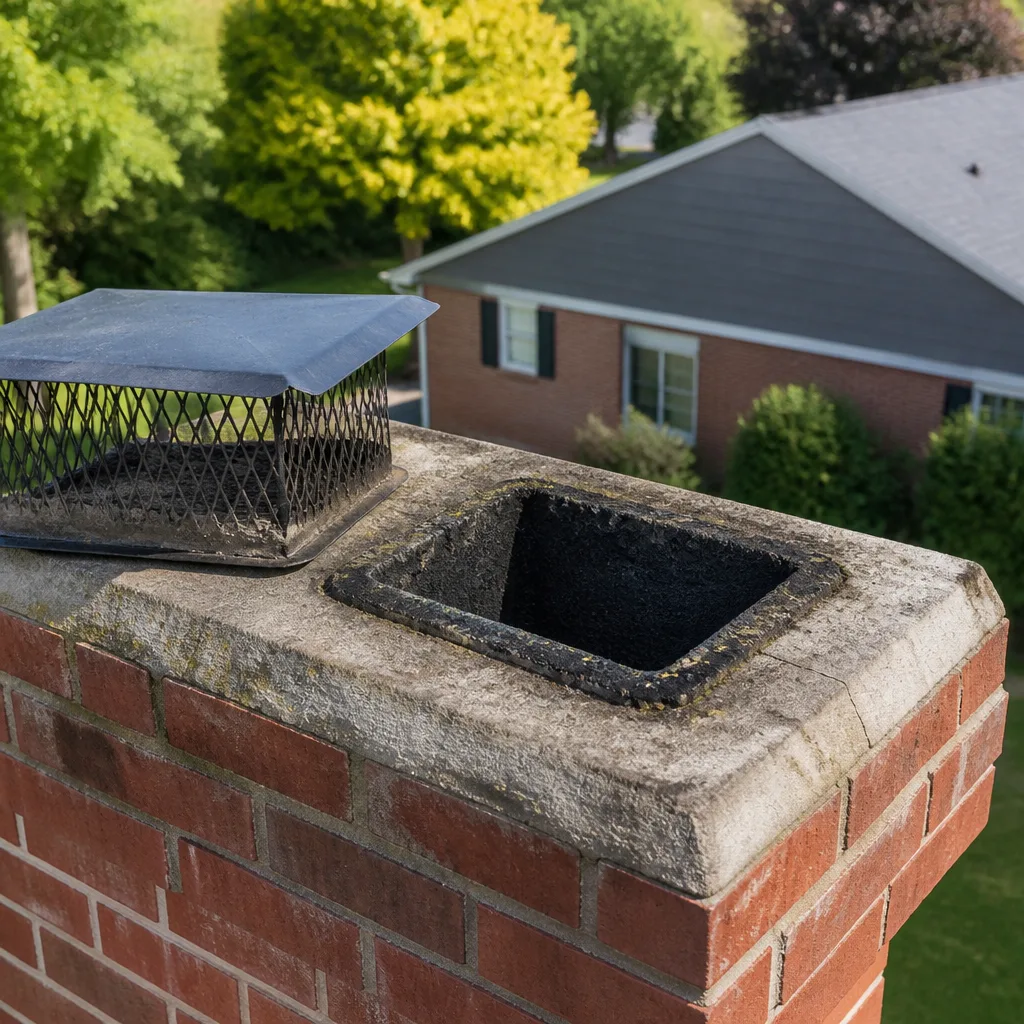 Sweep & inspection
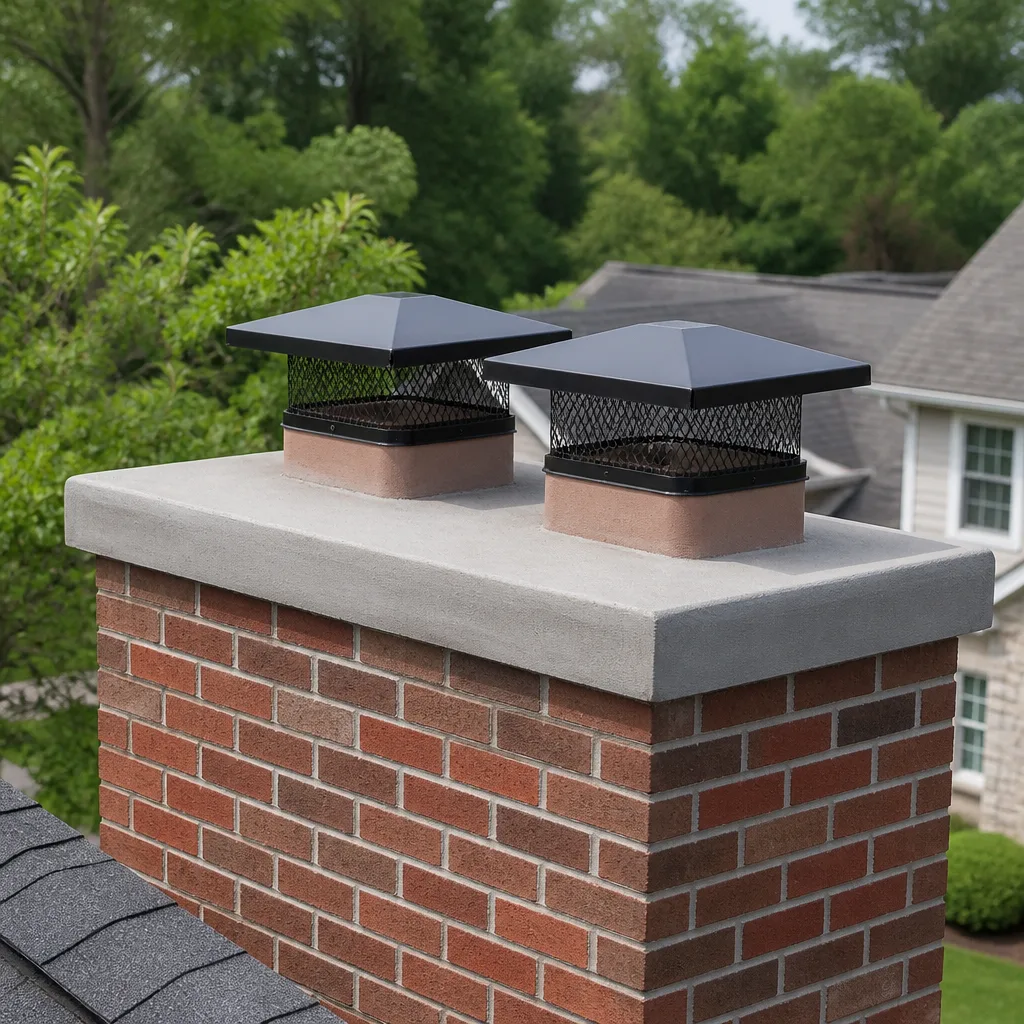 Caps & crowns
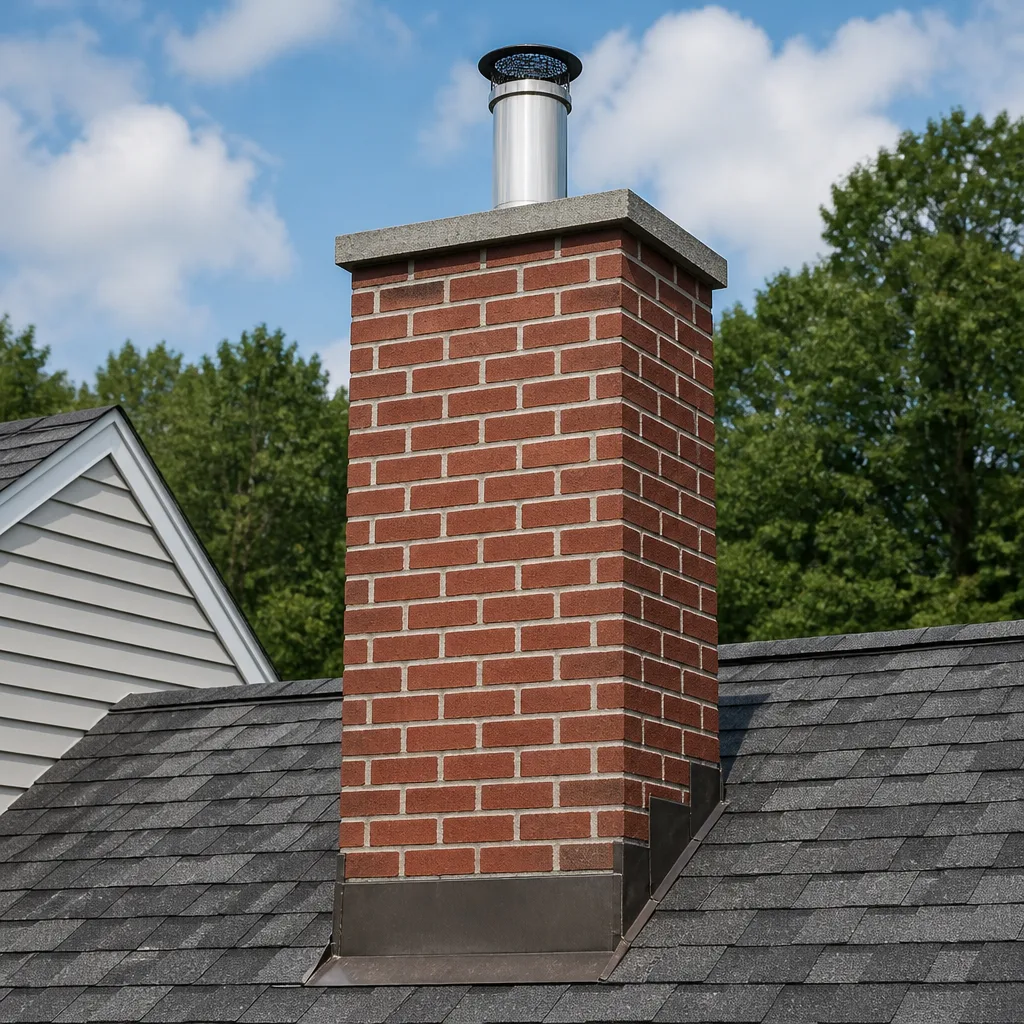 Flue relining
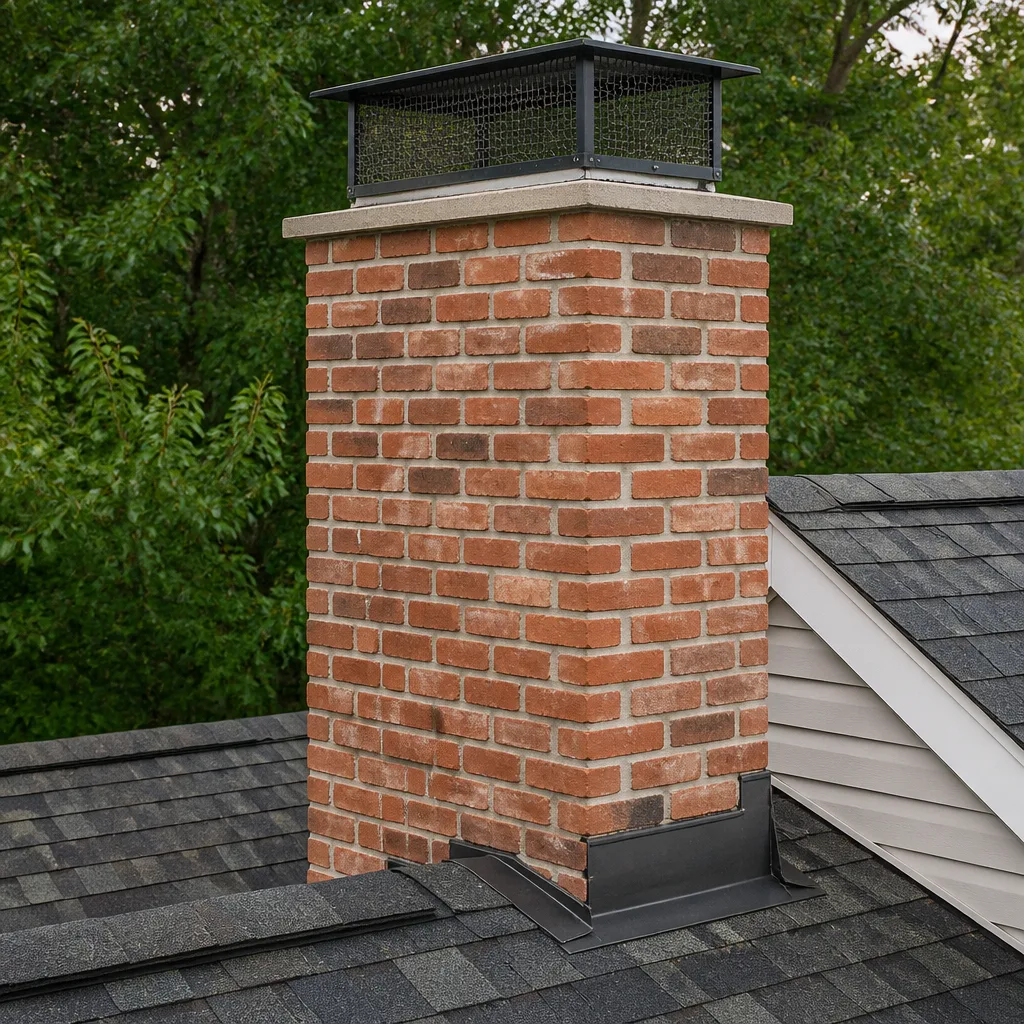 Masonry repair
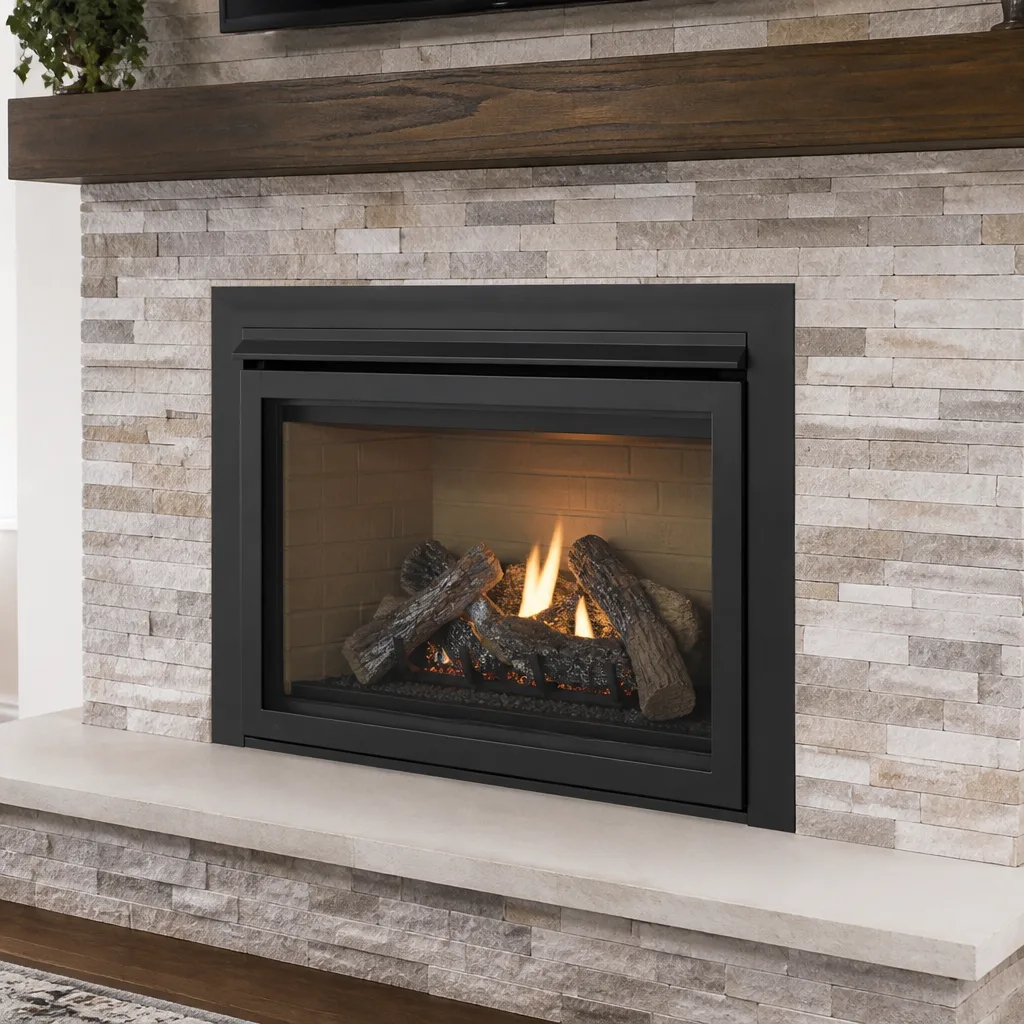 Gas fireplace service
Level 1 sweep and inspection to the NFPA 211 annual standard - flue, crown, cap, and flashing checked and photographed
Chimney sweep logs do not sweep chimneys. They loosen some creosote - which then falls where a brush and vacuum still have to collect it.
Chimney Cleaning Permits, Codes & Inspections in TX: What You Need to Know
Most homeowners only think about chimney paperwork when something has already gone wrong. A standard sweep? No permit needed in Fort Worth or anywhere else in Texas. But the second a technician says the words “cracked liner” or “firebox rebuild,” you’ve crossed into a regulatory category most people learn about the hard way: after the work is done, the bill is paid, and the city asks where the inspection sign-off is. This guide draws the exact line between maintenance and permitted work, explains the national code that Texas fire marshals actually cite, and walks through the three insurance claim scenarios where missing paperwork costs more than the repair itself. For The Complete Guide to Chimney Cleaning in Fort Worth and more guides & resources, see our blog.
Styles & brands we work with
Quick Answer
A routine chimney cleaning in Texas requires no permit at any level of government, because sweeping removes creosote and soot without altering the structure. For a deeper look at what to watch for, see our Chimney Cleaning Warning Signs: A Fort Worth Homeowner’s Reference Guide. Chimney repairs that change, rebuild, or reline the flue system, however, do require City of Fort Worth building permits and a final inspection. The dividing line is simple: if the work only removes buildup, no permit. If the work replaces, cuts, demolishes, or changes fire-rated components, a permit is mandatory, and skipping it can void your homeowner’s insurance coverage in the event of a fire.
Table of Contents
- The Legal Line: Sweeping (No Permit) vs. Repair Work (Permit Required)
- What NFPA 211 Is and Why Texas Fire Marshals Cite It
- Fort Worth Building Code: Plain-Language Thresholds
- Three Insurance Claim Scenarios Where Missing Permits Cost You Everything
- How to Verify a Contractor Pulled a Permit in Fort Worth (Step-by-Step)
- Level 2 Inspections in Tarrant County Real Estate Transactions
- What Gets Checked, What Gets Flagged, and What Photos Should Show You
- Common Mistakes to Avoid
- When to Call a Professional
- Frequently Asked Questions
- The Bottom Line
The Legal Line: Sweeping (No Permit) vs. Repair Work (Permit Required)
Here’s the distinction in plain language. A chimney sweep removes creosote (the flammable tar buildup that makes chimneys a fire risk), soot, and debris from the flue using brushes, rods, and vacuum equipment. Nothing structural changes. The chimney remains exactly as it was, just cleaner. No city in Texas requires a permit for this, because the work doesn’t alter any fire-rated assembly or structural component.
Chimney repair is an entirely different category. When a chimney company in Fort Worth proposes any of the following, the work crosses into permit territory:
- Liner replacement or relining: Pulling a damaged terra cotta liner and installing a stainless steel system like DuraFlex, or applying a ceramic compound like HeatShield to resurface the existing flue. This changes the fire-rated interior of the flue.
- Firebox rebuilds: Tearing out and reconstructing the firebox (the firebrick chamber where the fire actually burns) alters a fire-rated assembly.
- Masonry reconstruction: Rebuilding more than a small section of the chimney stack, crown, or smoke chamber involves structural work.
- Flue resizing: Changing the diameter or cross-section of the flue to accommodate a new appliance.
- Chimney removal or partial demolition: Taking down a damaged chimney above or below the roofline.
In our experience, the scenario that trips up Fort Worth homeowners is when a sweep finds a cracked liner mid-visit and the technician offers to reline it on the spot. The offer sounds convenient. But a same-day reline without a city permit means the work was never inspected, and the homeowner now owns an unpermitted modification to a fire-rated component of their house. That’s not a paperwork technicality. It’s a code violation happening inside your home, and it can follow you into a future sale or an insurance claim.
What NFPA 211 Is and Why Texas Fire Marshals Cite It
NFPA 211 is the National Fire Protection Association’s standard for chimneys, fireplaces, vents, and solid fuel-burning appliances. It is not a law passed by Congress or the Texas Legislature. It’s a model code, written by fire protection engineers and updated every few years, that most states and municipalities adopt by reference. Texas fire marshals, insurance adjusters, and building inspectors all treat NFPA 211 as the default authority when a chimney fire, carbon monoxide incident, or structural failure is investigated.
What does NFPA 211 actually require? Three things matter most for a homeowner:
- Annual inspection requirement: NFPA 211 states that chimneys, fireplaces, and vents shall be inspected at least once a year. Not swept necessarily, but inspected. A Level 1 inspection is the basic visual check performed during a routine sweep.
- Sweeping trigger: The standard says a chimney shall be swept when there is 1/8 inch or more of creosote accumulation. That’s the thickness threshold that moves a chimney from “dirty but usable” to “fire hazard that needs cleaning before the next burn.”
- Level 2 inspection trigger: NFPA 211 requires a more comprehensive Level 2 inspection (typically involving video scanning with a camera) when a property is sold, when the chimney’s use changes, after a chimney fire, or after any event likely to have damaged the flue like a lightning strike or an earthquake.
For a Fort Worth homeowner, the important takeaway is this: when an insurance claim involves a chimney fire, the adjuster will ask for documentation. If you can show annual inspection records and a recent sweep, you’re in a strong position. If you can’t, the claim gets more complicated. NFPA 211 is the yardstick they use, and the standard applies whether or not the City of Fort Worth ever looks at your chimney.
Fort Worth Building Code: Plain-Language Thresholds
The City of Fort Worth adopts the International Residential Code (IRC) with local amendments, and the IRC incorporates NFPA 211 by reference for chimney and fireplace requirements. None of this requires a permit for a routine sweep. It does require a permit for any work that reconstructs, relines, or structurally modifies a chimney.
Here’s how to think about the threshold without cracking open a code book. Ask one question: does the work leave the structure and fire-rated components exactly as they were, but cleaned? If yes, no permit. If the work involves removing, cutting, replacing, or altering any fire-rated or structural element, a City of Fort Worth building permit is required, followed by a city inspection before the chimney is used again.
Fort Worth’s climate makes this relevant in a way that differs from other parts of Texas. The temperature swings between summer heat and winter freezes, combined with the clay-heavy soils in neighborhoods like Wedgwood, Ridglea Hills, and Arlington Heights, put repeat stress on masonry. Hairline cracks in crowns and mortar joints are common. Most of these are maintenance issues that never cross into permit territory. But when water intrusion has been happening for years and a flue liner is cracked all the way through, the repair is structural, and the permit requirement kicks in.
Some homeowners ask whether a homeowners association or historic district adds another layer. In Fort Worth, neighborhoods with design review, like parts of Fairmount, may require separate approval for exterior chimney work that changes the look of the house. That’s an additional process on top of the city permit, not a substitute for it.
Three Insurance Claim Scenarios Where Missing Permits Cost You Everything
Insurance companies do not need the City of Fort Worth to fine you to deny a claim. They need a reason to argue that the loss was caused or worsened by unpermitted work. Here are the three scenarios we see most often in our service area:
- Chimney fire after an unpermitted reline. A homeowner relines a flue without a permit. Two years later, a chimney fire occurs. The adjuster asks for the permit and inspection record. None exists. The insurer argues the unpermitted work may have been defective and denies the claim. The homeowner now faces a $8,000 to $20,000 rebuild out of pocket.
- Smoke or water damage tied to a rebuilt firebox. A firebox is rebuilt without a permit and without a final inspection. Later, smoke intrusion or water damage occurs. The insurer’s investigation traces the issue to improper clearance or missing firebrick in the unpermitted rebuild. The claim is denied because the homeowner accepted unpermitted structural work.
- Sale falls through over missing documentation. A seller completed a liner replacement years ago without pulling a permit. The buyer’s inspector asks for the permit history. It doesn’t exist. The deal stalls, the buyer demands a retrofit inspection plus a price reduction, or walks away entirely. In Tarrant County’s competitive real estate market, an unpermitted chimney repair is a silent deal-killer on the seller’s disclosure.
The pattern is consistent: the money saved by skipping the permit is a fraction of what a denied claim or a failed sale costs. A chimney permit in Fort Worth typically costs between $50 and $150 depending on the scope of work. That’s the cheapest insurance policy you’ll ever buy on a fire-rated component of your home.
How to Verify a Contractor Pulled a Permit in Fort Worth (Step-by-Step)
Telling a homeowner to trust that a permit was pulled is not good enough. Here’s how anyone in Fort Worth can verify it themselves, using the City of Fort Worth’s online permit portal. This takes five minutes.
- Go to the City of Fort Worth’s Accela Citizen Access portal. Search “City of Fort Worth permit search” or navigate from the city’s Development Services page. The portal is public and free to search.
- Search by property address. Enter the street number and street name of the property where the work is being performed. The portal will return a list of permits associated with that address.
- Look for a permit type related to the chimney work. Common permit types include “fireplace repair,” “chimney repair,” “masonry repair,” or simply “residential alteration.” Open the permit record.
- Confirm the status field. The permit should show “issued,” not just “applied.” A permit in applied status means the application exists but the city hasn’t approved it, and work should not have started.
- After the work is complete, confirm the inspection record. The permit record will show a final inspection date and a pass or fail result. Work is only complete when a city inspector has signed off with a passed final inspection.
- Ask the contractor for the permit number before work starts. If a contractor cannot give you a permit number that you can verify on the portal yourself, the work should not proceed.
At Hadley Chimney Fort Worth, we’re comfortable with this level of scrutiny. Before any repair begins, we provide a written price and verify the permit requirements for the specific scope of work. We work with materials from brands like DuraFlex, HeatShield, and Olympia Chimney because repairs built with consistent, documented components are easier for city inspectors to approve and easier to defend if an insurance adjuster ever reviews the file.
Level 2 Inspections in Tarrant County Real Estate Transactions
When a home changes hands in Tarrant County, the standard home inspection is often not enough to evaluate a chimney. A general inspector looks at visible components and flags concerns. But a Level 2 inspection, defined under NFPA 211 as an inspection that includes video scanning of the entire flue interior and evaluation of accessible areas, goes far deeper. It’s the only way to see what’s happening inside the flue behind the firebox face, in the smoke chamber, and in sections of the liner that are hidden from view.
Who orders the Level 2 inspection in a Tarrant County transaction? Typically, the buyer’s side orders it, either at the recommendation of the general inspector or as a condition added to the contract after the general inspection turns up concerns. In a strong seller’s market, the seller may order a Level 2 inspection before listing to avoid surprises during negotiations. Either way, the party who orders it is the one who gets to negotiate from the findings.
A Level 2 inspection in the Fort Worth market typically costs between $150 and $400, depending on the company and whether a written report with photos is included. If the inspection uncovers a cracked flue liner, failed mortar joints in the smoke chamber, or missing firebrick in the firebox, the repair work that follows may require a permit. The buyer negotiating a repair credit should know that the credit needs to cover not just the repair cost but the permit cost and the time for the city inspection, which in Fort Worth is usually scheduled within one to three weeks of the application.
For anyone buying or selling a home in Fort Worth, the smartest move is to get the Level 2 inspection done before the repair credit discussion begins. The report is the basis for the negotiation, and if it shows permitted repair work is needed, the buyer has the paperwork to demand the seller fix it properly rather than accept a quick cosmetic patch.
What Gets Checked, What Gets Flagged, and What Photos Should Show You
Here’s what a transparent chimney company in Fort Worth should do during a routine visit, whether it’s a sweep or a Level 2 inspection. This is the standard we hold ourselves to, and it’s the standard any homeowner should expect before paying a bill.
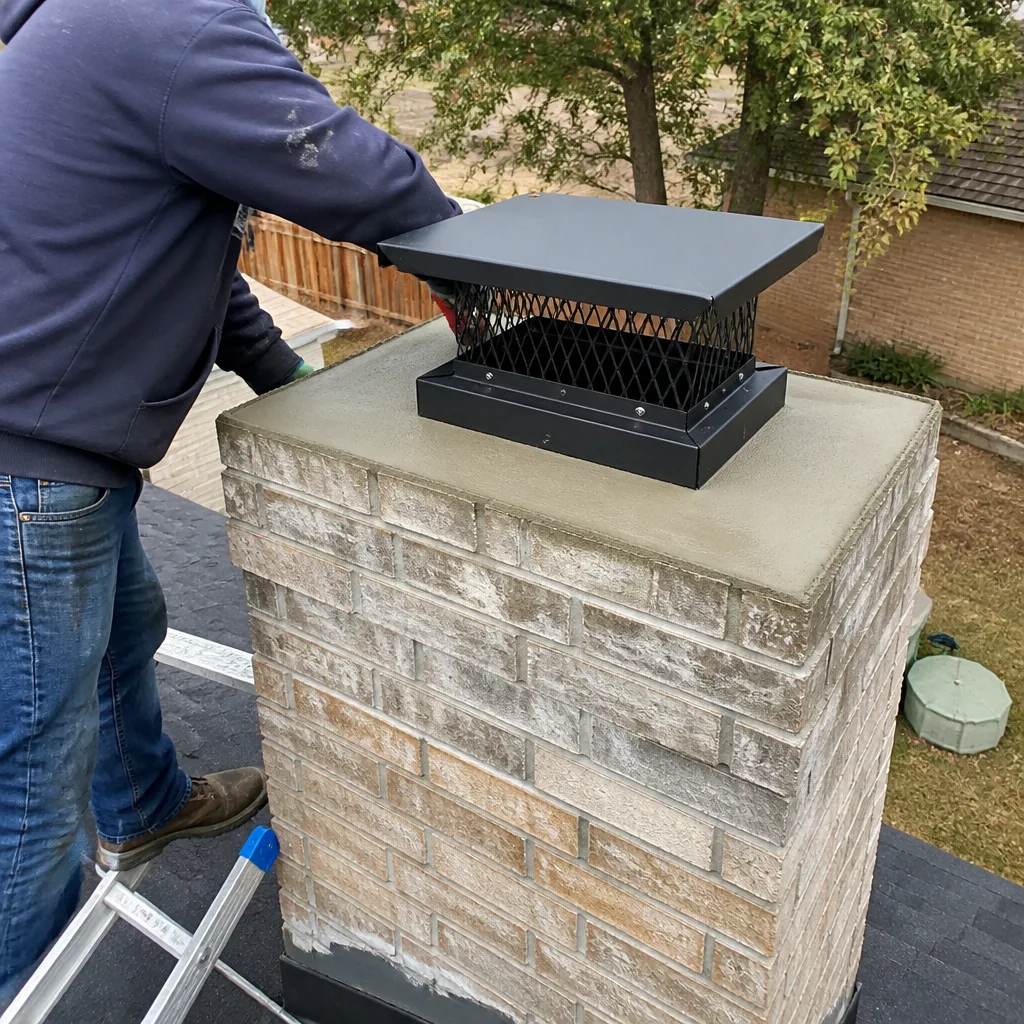
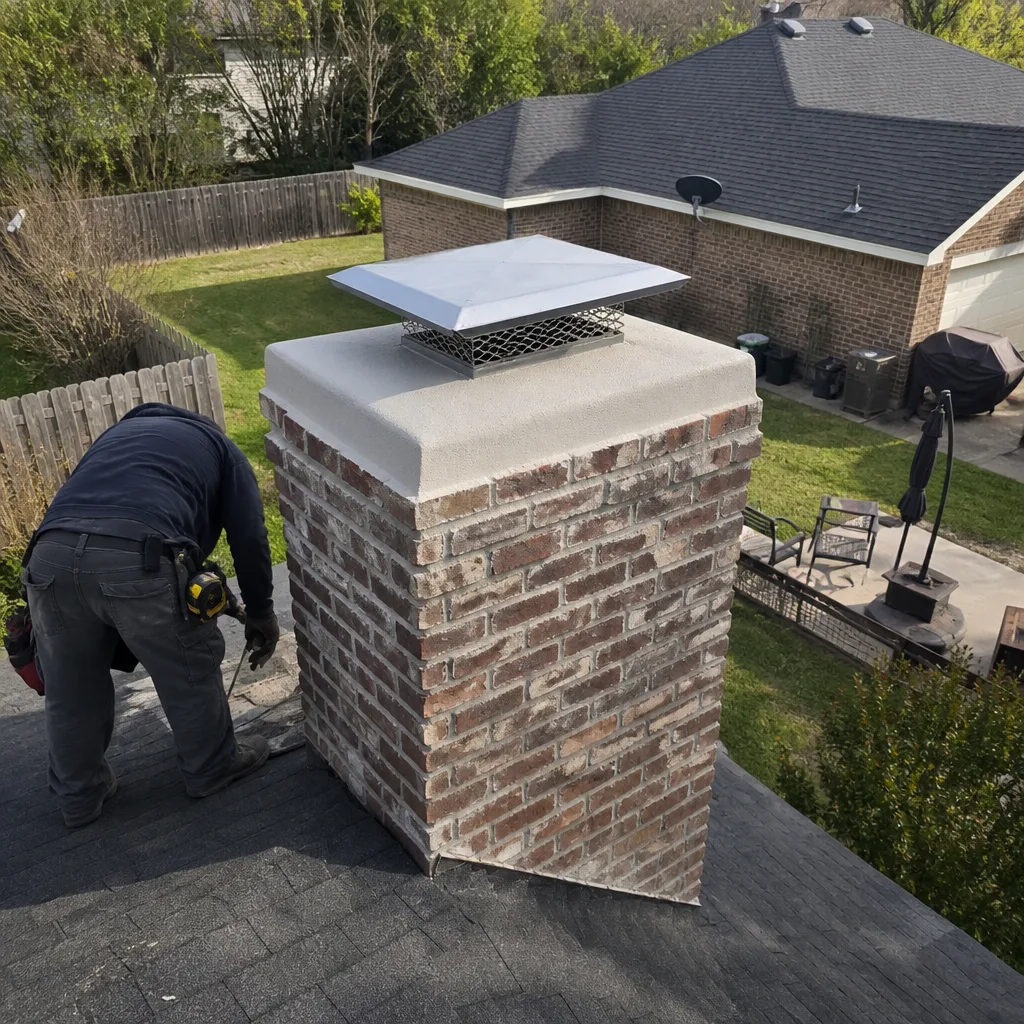
- External inspection. The tech checks the crown, cap, flashing, and exterior masonry from the roof. Photos should show what the tech saw, not a stock image of someone else’s roof.
- Flue condition. A camera goes up or down the flue, documenting whether the liner is intact, cracked, or glazed with thick creosote. You should see those images before agreeing to any repair.
- Firebox and damper. The firebrick is checked for gaps, the damper is opened and closed, and the smoke chamber is evaluated. If a firebox rebuild is needed, the photos should show exactly why.
- Clearances and hearth dimensions. The tech checks whether combustible materials sit too close to the fireplace opening, a common finding in older Fort Worth homes that were built before modern clearance codes.
- Written price before work. If a sweep is all that’s needed, the price should be in writing before the brush comes out. If a repair is needed, a separate written quote should follow, with the permit requirements stated on the quote itself.
This is the visibility standard we built Hadley Chimney Fort Worth around. Our techs arrive in a tracked window, not a four-hour guess, and every job includes before-and-after photo documentation through The Relay Visibility Guarantee. We’re part of the Relay Home Co. family, and if a repair fails within 365 days, our Done Right Promise includes a free second visit, in writing, on every repair.
Chimney sweeps in the Fort Worth area typically run $180 to $300 for a standard single-flue home, depending on the roof pitch and how long it’s been since the last cleaning. A Level 2 inspection with video scanning usually adds $150 to $400. Relining a flue with a stainless system like DuraFlex typically runs $3,500 to $6,500 for a single-story home, and a full firebox rebuild often lands between $2,000 and $5,000. If someone quotes far below these ranges for a reline, ask whether the permit is included. If it’s not, the low price is hiding something.
Common Mistakes to Avoid
- Assuming a sweep and a repair are the same thing. Sweeps are maintenance and need no permit. Repairs that alter the flue, firebox, or masonry are permitted work. Treating them as the same category is how unpermitted work happens.
- Accepting a same-day reline without a permit number. If a chimney tech wants to reline a cracked flue on the same visit, ask for the permit number before work starts. Verify it on the City of Fort Worth portal. If they can’t provide one, stop the job.
- Paying for a repair without photo documentation. You should see the cracked liner, the damaged firebrick, or the failed mortar joint in photos before approving the work. A company that can’t show you the problem with images hasn’t actually found one.
- Ignoring annual inspection records. NFPA 211 requires annual inspection, not just cleaning. If you can’t produce an inspection record after a chimney incident, your insurance adjuster has a reason to push back.
- Confusing the Level 1 sweep check with a Level 2 video inspection. A routine sweep includes a basic visual check. It will not see everything a Level 2 video scan sees inside the flue. When a home changes hands in Tarrant County, insist on the Level 2.
- Skipping the final inspection after an unpermitted repair. A permit that’s issued but never finalized with a city inspection is nearly as bad as no permit at all. The work is not approved until the inspector says it is.
- Delaying a sweep until the burning season starts. In Fort Worth, the first cold snap of the year coincides with a rush on chimney companies. That’s also when scheduling windows stretch and corners get cut. A summer or early fall sweep is a better plan and leaves plenty of time to address any issues found before you light the first fire.
When to Call a Professional
Call a professional when you smell smoke lingering in the house after a fire, when you see white or brown creosote buildup thicker than a credit card on the flue walls, when you hear or see falling debris inside the chimney, or when your last sweep was more than two years ago and you’re using the fireplace regularly. Also call if a home you’re buying has a chimney and the general inspection flagged any concerns. And if a previous repair was done without a permit, don’t try to fix the paperwork yourself. A licensed and insured chimney company can perform a Level 2 inspection, document the current condition, and help determine whether the work needs a retrofit permit and inspection. Hadley Chimney Fort Worth offers free estimates in Fort Worth, call (682) 900-6393.
Frequently Asked Questions
A standard single-flue chimney sweep in Fort Worth typically costs between $180 and $300, depending on roof access, the amount of creosote buildup, and whether the chimney has been recently maintained. If a Level 2 video inspection is added, the combined visit usually runs $300 to $500. Call (682) 900-6393 for a written quote before work starts, so the price that’s quoted is the price you pay.
Only if the repair alters, rebuilds, or relines fire-rated or structural components. Replacing a chimney cap, sealing a crown, or repointing a few bricks is maintenance and typically no permit is needed. Rebuilding a firebox, relining a flue, or reconstructing masonry is permitted work. When in doubt, check the City of Fort Worth permit portal for the property address, or ask the contractor to show you the issued permit before work begins.
NFPA 211 says chimneys should be inspected annually and swept whenever creosote buildup reaches 1/8 inch. For most Fort Worth homes that burn wood regularly through the fall and winter, that translates to a sweep every one to two years. A gas fireplace doesn’t produce creosote, but the venting still needs an annual inspection for blockages and corrosion. For a full sweep or inspection, reach Hadley Chimney Fort Worth at (682) 900-6393.
Creosote builds up in layers, and each fire bakes the previous layer harder and more glazed. Thick, glazed creosote is harder to remove and burns hotter when it does ignite, which raises the risk of a chimney fire. A few skipped years also means water damage, cracked flue tiles, or a failing damper have had time to progress undetected. In our experience, most multi-year neglect cases need a Level 2 inspection to assess the full damage. Call (682) 900-6393 and we’ll get you a written quote for whatever the camera finds.
Typically the buyer orders the Level 2 inspection, usually after the general home inspector flags the chimney or the fireplace as a concern. Sometimes a seller will order one proactively before listing to get ahead of negotiations. The party who orders the inspection owns the report and the negotiating leverage that comes with it. A Level 2 inspection with video scanning in Tarrant County usually runs $150 to $400.
Yes, Fort Worth allows homeowners to pull permits for work on their own primary residence, provided they perform the work themselves. But chimney repair is not DIY territory. A liner replacement done incorrectly can create a carbon monoxide risk, which is invisible and can be fatal. We always recommend a licensed, insured chimney company handle any structural chimney work, and that the company pull the permit as part of the job. The permit then sits in the company’s name and the liability for the permitted scope of work is clear.
Our Done Right Promise is a written guarantee on every repair we perform. If the repair fails within 365 days, we come back and make it right at no charge. That’s not a promotional offer or an upsell. It’s a standing commitment, written into the quote, backed by the Relay Home Co. standard. Failed repairs happen in this trade, and when they do, homeowners deserve a company that stands behind the work instead of dodging the call. We answer live, 24/7, at (682) 900-6393.
The Bottom Line
Keep the mental model simple. A sweep removes buildup and needs no permit, anywhere in Texas. A chimney repair that changes fire-rated or structural components needs a City of Fort Worth permit and a final inspection, and skipping that step is a slow-burning liability on your home, your insurance, and your next real estate deal. Verify permits through the city portal, insist on photo documentation, and don’t accept any liner or firebox repair without a permit number you can confirm yourself. For a free estimate on a sweep or repair in the Fort Worth area, the Hadley Chimney Fort Worth team is available at (682) 900-6393. We provide a written price before work starts, a written guarantee on every repair, and before-and-after photos through the Hadley Chimney Fort Worth home experience, all backed by The Relay Visibility Guarantee. Call us and we’ll help you get the chimney right, whether it’s a routine Chimney Sweep in Fort Worth, a full Chimney Repair in Fort Worth, or a Gas Fireplace Repair in Fort Worth.
Written by Cory Mitchell, Owner at Hadley Chimney Fort Worth, serving Fort Worth since 2003.
See the difference
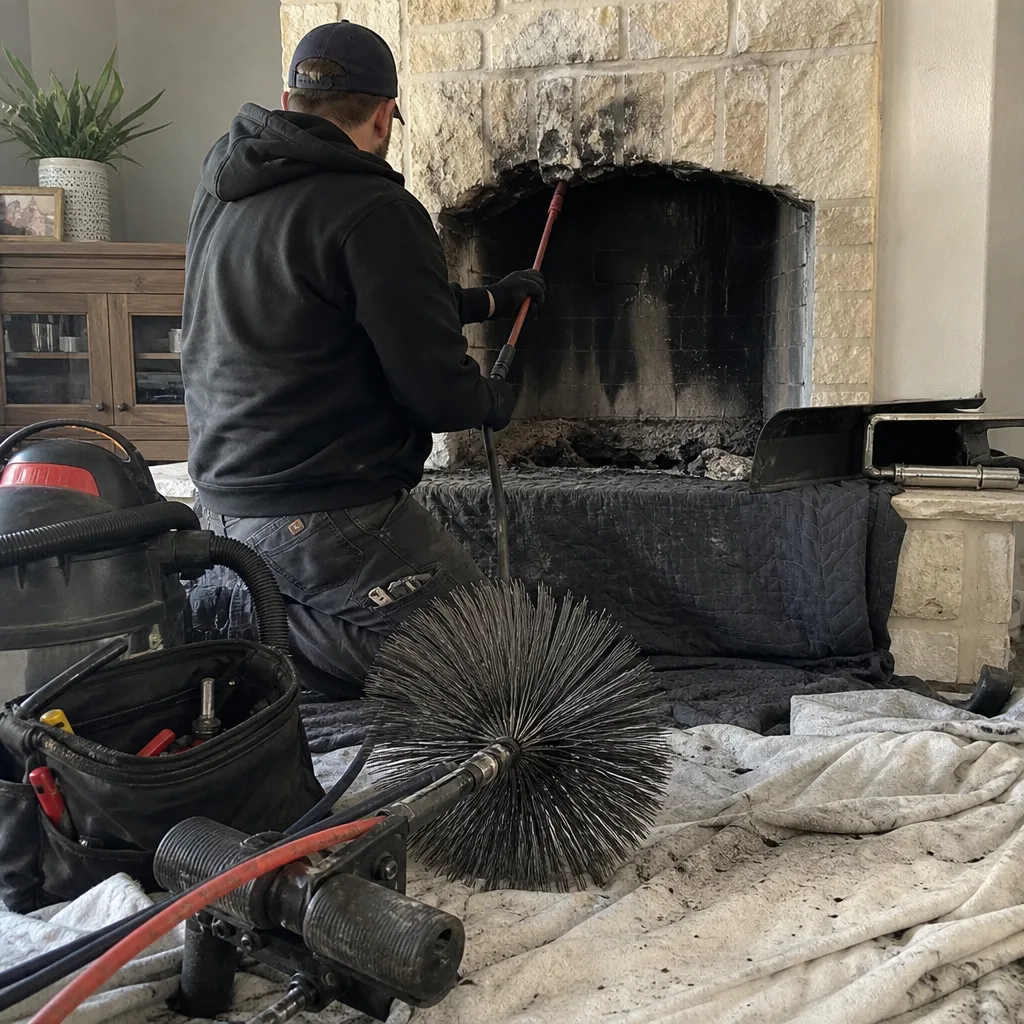 Before
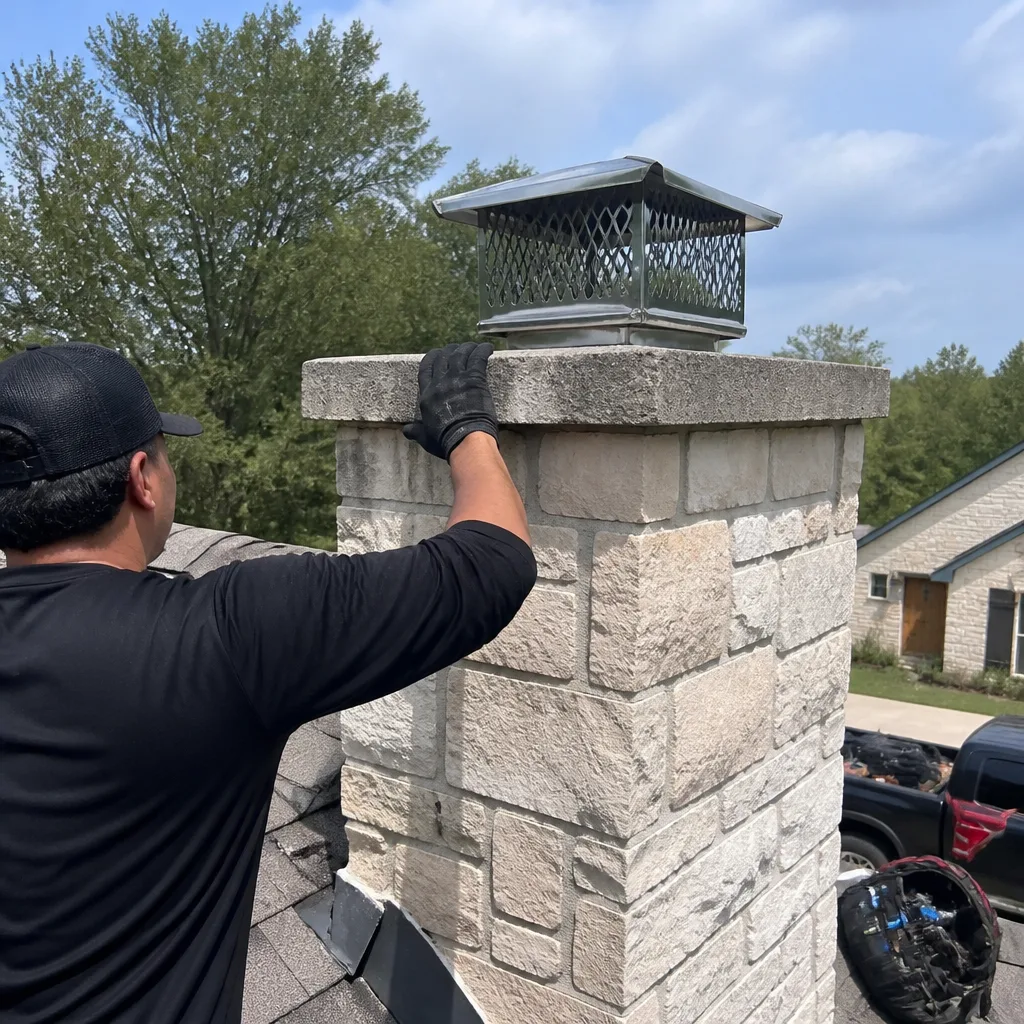 After
After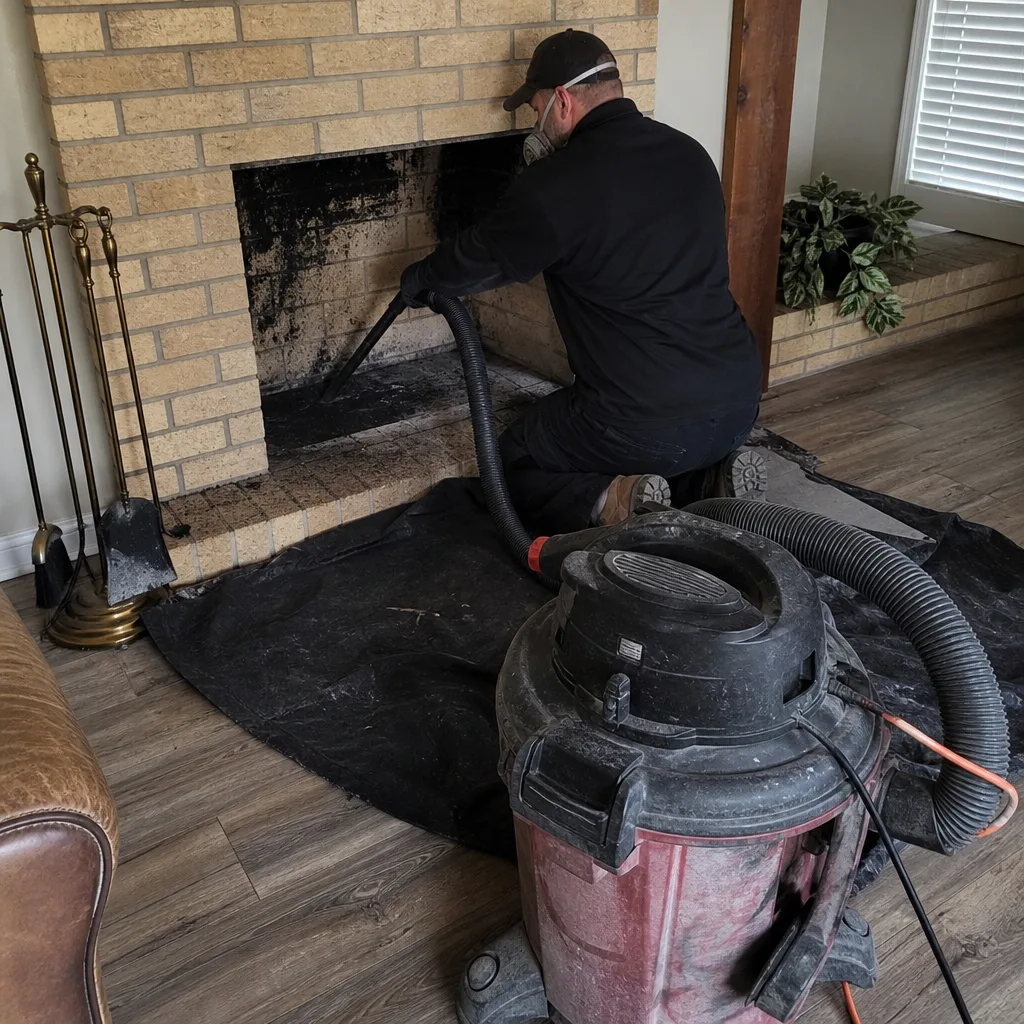 Before
 After
After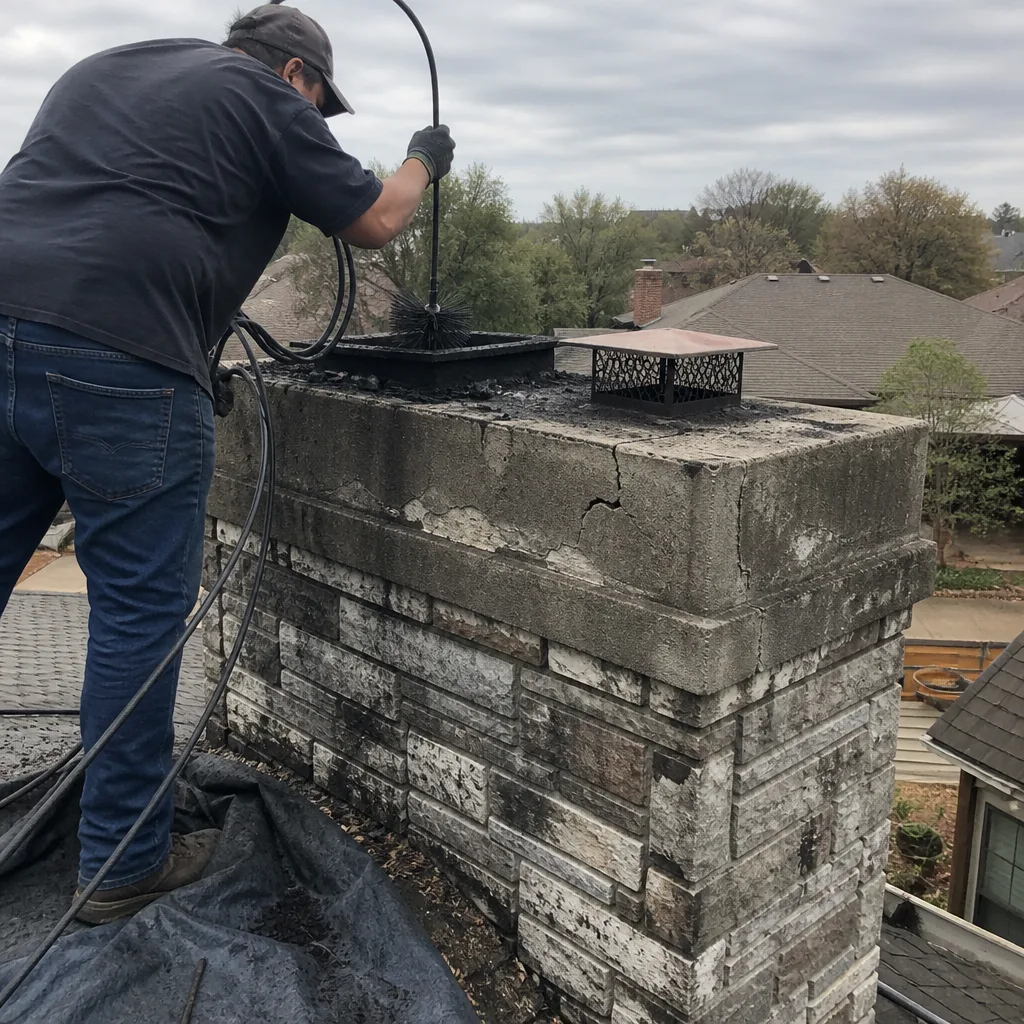 Before
 After
After