
Last updated October 15, 2026
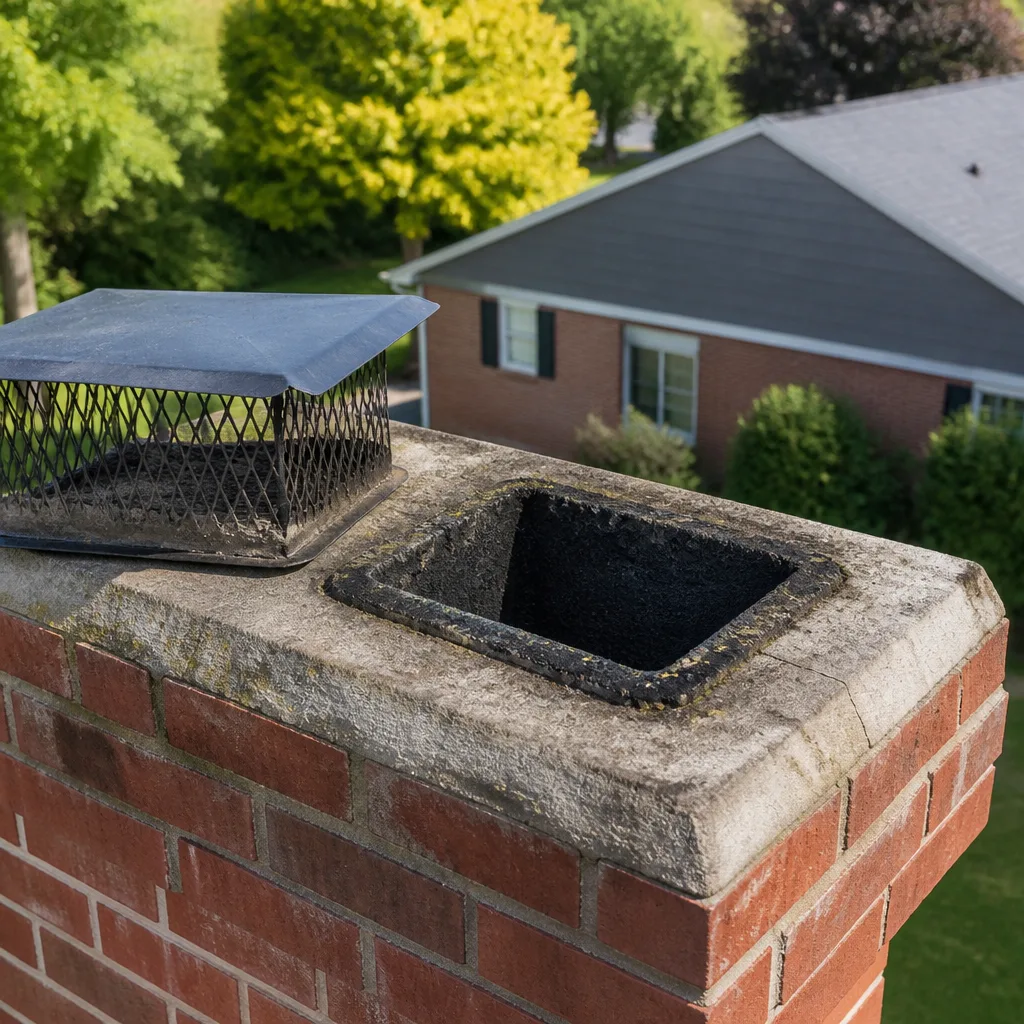 Sweep & inspection
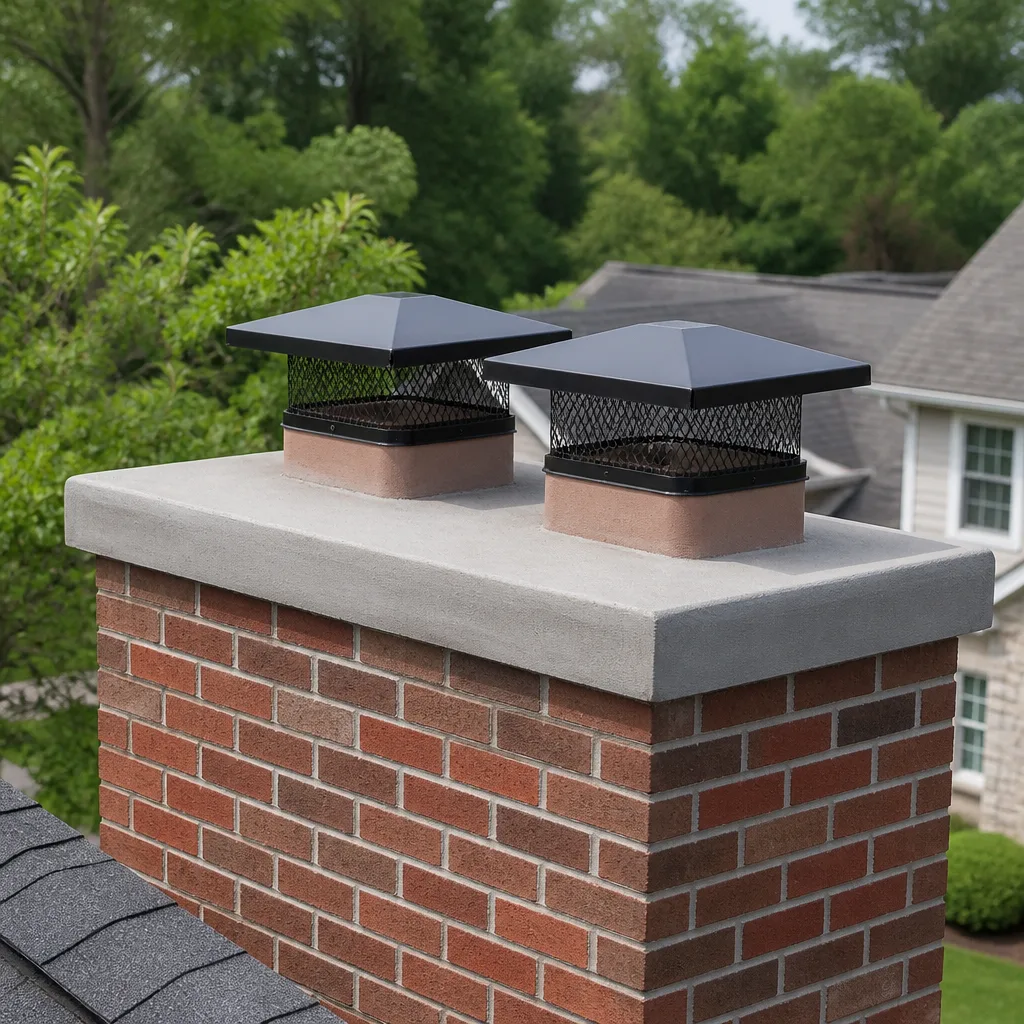 Caps & crowns
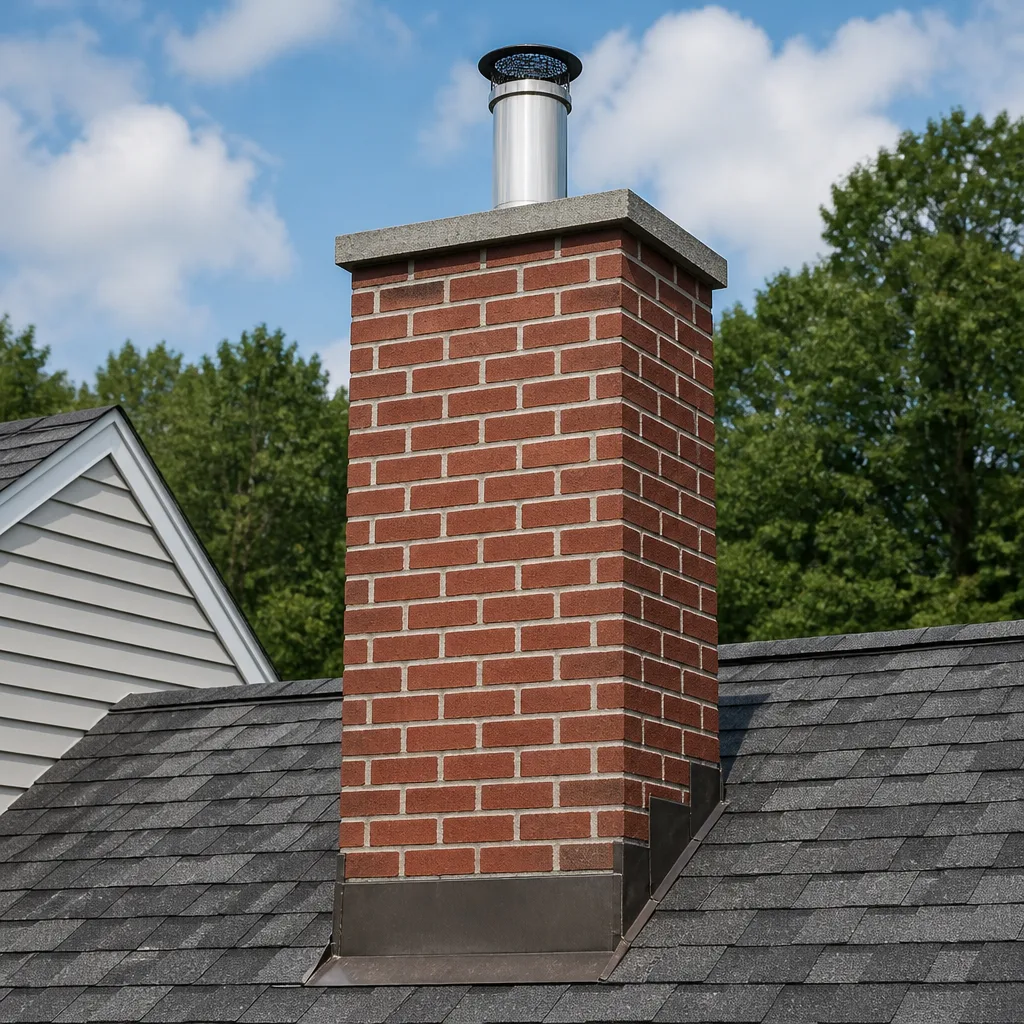 Flue relining
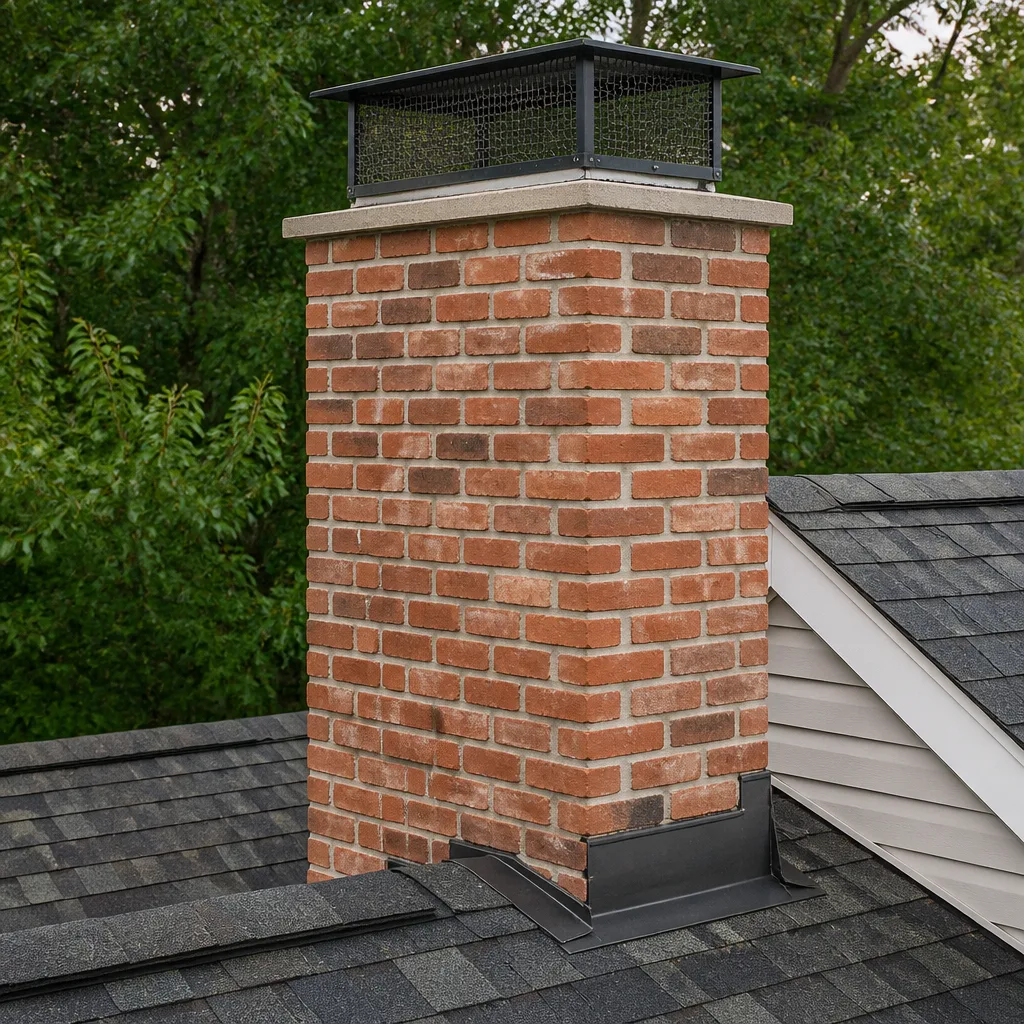 Masonry repair
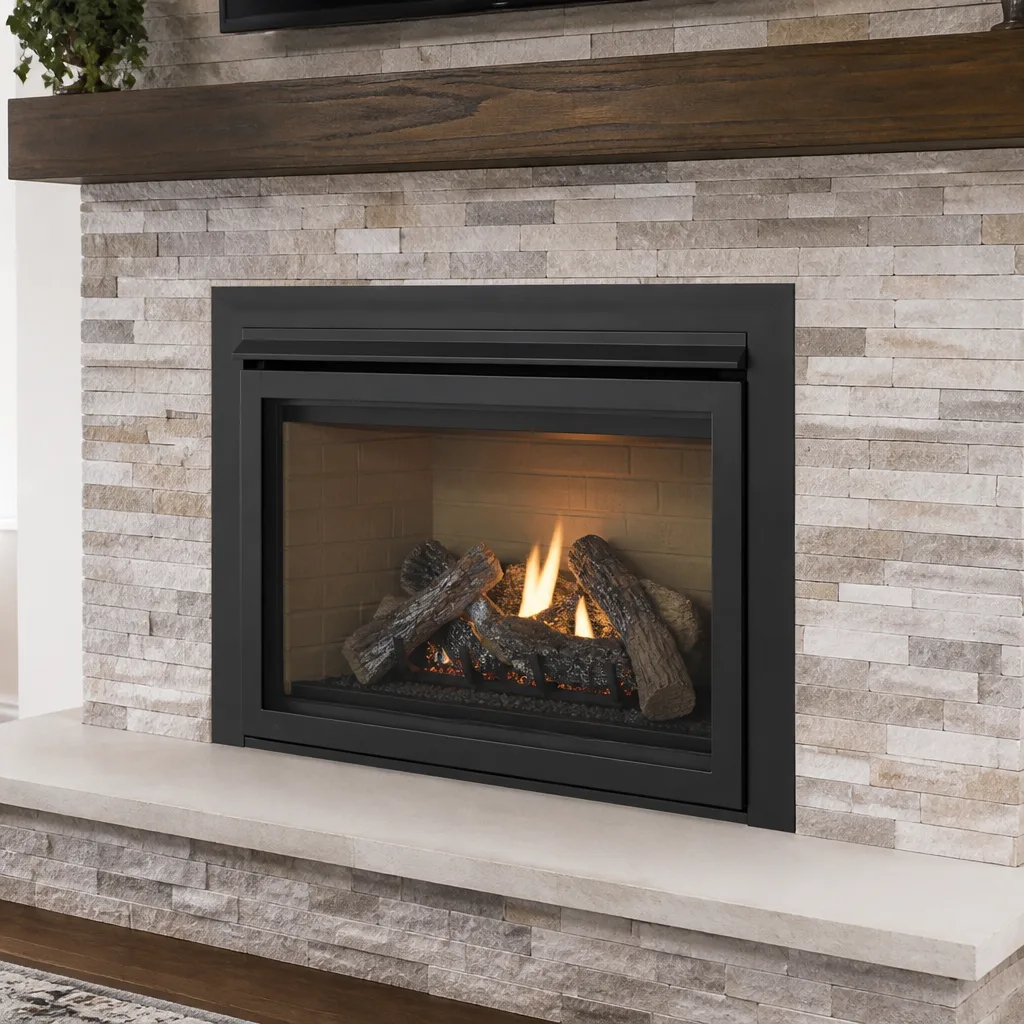 Gas fireplace service
Level 1 sweep and inspection to the NFPA 211 annual standard - flue, crown, cap, and flashing checked and photographed
Chimney sweep logs do not sweep chimneys. They loosen some creosote - which then falls where a brush and vacuum still have to collect it.
The Complete Guide to Chimney Cleaning in Fort Worth
Most chimney fires don’t start during a blizzard. They start on a mild, 38-degree Fort Worth Tuesday in late November when a homeowner lights the first real fire of the season in a flue that’s been sitting dirty since February. That’s the quiet pattern we see across Tarrant County every year. This guide walks you through exactly what chimney cleaning involves in Fort Worth, what it should cost, how Fort Worth’s specific climate and tree cover affect your flue differently than a chimney in Minneapolis or Denver, and what questions to ask before you hand anyone a check. For year-round seasonal care tips, see our dedicated Fort Worth guide. You’ll finish with enough specific knowledge to book a cleaning with total clarity about what’s happening inside your chimney and why.
Quick Answer
Chimney cleaning in Fort Worth typically costs $179 to $389 for a standard open-hearth fireplace, with the final price depending on flue height, creosote stage, and whether the chimney has been cleaned in the past two years. A professional cleaning removes creosote, soot, and debris from the flue liner and smoke chamber using rotary brushes and HEPA vacuum equipment, and it should always end with a written report and photos. Most Fort Worth homes burning oak in a normal season need one cleaning per year, ideally in early fall before the first burn.
Styles & brands we work with
Table of Contents
- Why Fort Worth’s Climate Creates a Different Creosote Problem
- How Live Oak and Post Oak Affect Your Chimney
- What a Professional Chimney Cleaning Actually Involves
- Level 1, Level 2, and Level 3 Inspections Explained
- How Much Chimney Cleaning Costs in Fort Worth
- What Before-and-After Documentation Should Look Like
- Common Mistakes to Avoid
- When to Call a Professional
Why Fort Worth’s Climate Creates a Different Creosote Problem
Here’s what most generic chimney guides miss: Fort Worth’s burn season is short but intense, and short burn seasons create a specific kind of creosote problem. In cold-climate cities like Chicago or Buffalo, homeowners burn for five or six continuous months, and the chimney gets hot and stays hot for long stretches. That sustained heat actually helps burn off some of the volatile compounds that form creosote. Fort Worth is different. We burn in sharp bursts: a cold front rolls through in November, you have fires for five nights straight, then it’s 70 degrees for a week and the chimney goes cold. Then another front. Then another gap.
That heat-cool-heat-cool cycling accelerates what chimney professionals call Stage 2 creosote formation. Stage 1 is fluffy soot, easy to brush. Stage 2 is a crusty, flaky, tar-like deposit that bonds to the flue liner and requires rotary cleaning to remove. Stage 3 is a hardened, glossy glaze that poses a serious chimney fire risk. We regularly see Fort Worth chimneys jump from Stage 1 to Stage 2 creosote in a single season, precisely because the flue never gets the long, sustained burns that help keep deposits soft and removable. Add in Fort Worth’s humidity, which settles into porous masonry and creosote deposits between burns, and you get a residue that’s stickier and harder to remove than what a technician in a dry, cold climate deals with.
What this means practically: cleaning a Fort Worth chimney isn’t a cosmetic task. Even if you only burned a dozen fires last winter, the moisture cycling and short-burn pattern mean your flue likely carries more Stage 2 creosote than a homeowner in a colder city who burned three times as often. A proper chimney sweep in Fort Worth needs to account for this local profile, which is why we always photograph the flue before and after cleaning so you can see the actual condition in your specific chimney.
How Live Oak and Post Oak Affect Your Chimney
Walk through any Fort Worth neighborhood with mature trees, from Ryan Place to TCU area to Ridglea Hills, and you’ll see the same thing: live oaks and post oaks everywhere. They’re beautiful trees, and they produce great firewood for North Texas. But they also create a specific chimney-residue profile that homeowners in pine-heavy East Texas or mesquite-burning West Texas never deal with.
Live oak and post oak both carry a higher sap content than many northern hardwoods, and that sap contains natural resins that vaporize during combustion. When those vapors hit the cooler upper portions of your flue, they condense into a sticky, tar-like film. That film then catches passing soot particles, which is exactly how Stage 2 creosote begins. The second issue is moisture. Most oak firewood in Tarrant County is not seasoned long enough. A live oak log cut in late summer and split by October still holds 35 to 45 percent internal moisture, which means every fire produces steam. Steam and sap residue mixing in a warm flue is a fast track to glazed creosote, the kind that requires chemical treatment or rotary removal with specialized chains and loops.
In our experience across two decades of cleaning Fort Worth chimneys, oak-burning households typically need annual cleaning no matter how diligent they are about seasoning wood. The residue profile is just heavier. If you burn post oak, which is denser and slower-seasoning than live oak, give your wood at least 12 to 18 months of split stacking before burning. Even then, schedule a yearly inspection. A written report that documents your specific flue condition year over year is the only way to know whether your seasoning practices are actually working inside the chimney where it matters.
What a Professional Chimney Cleaning Actually Involves
If you’ve never watched a professional chimney cleaning, the process can seem mysterious. Here’s the step-by-step reality so you know exactly what to expect and what questions to ask when hiring a contractor. A professional cleaning in Fort Worth should take between 45 and 90 minutes for a standard masonry chimney, depending on creosote stage and whether the chimney has a rain cap or spark arrestor that needs removal and reinstallation.
- Site protection and setup. The technician should lay down canvas or plastic drop cloths around the firebox opening and set up a heavy-duty HEPA vacuum before any brushing starts. HEPA means High-Efficiency Particulate Air, which filters 99.97% of particles down to 0.3 microns, capturing soot and creosote dust before it enters your living room air. If a company shows up without a HEPA vacuum, find another company.
- Initial inspection. The technician examines the firebox, damper, smoke chamber, and flue from below, then checks the chimney crown, cap, flashing, and masonry from the roof. This determines the cleaning approach and flags any obvious damage before tools go in.
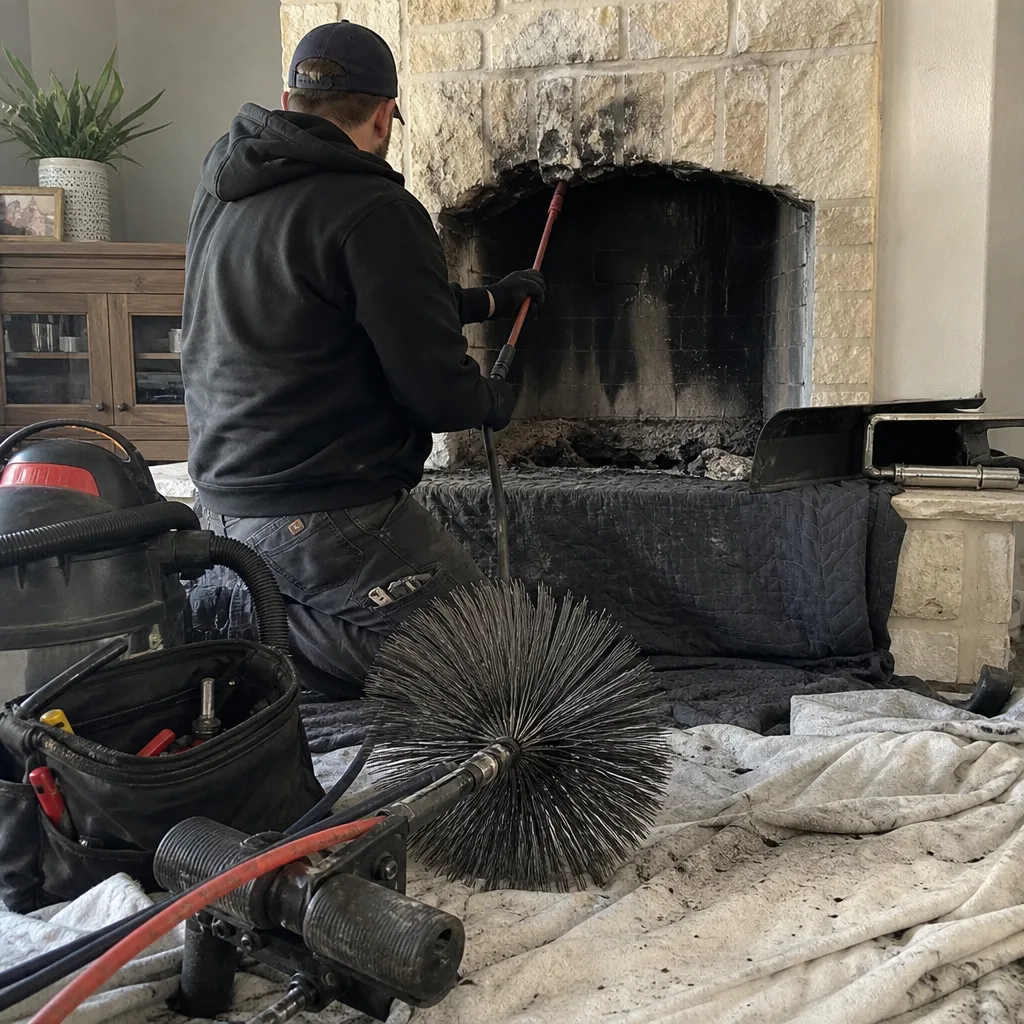
- Rotary cleaning. For Stage 1 creosote, simple wire brush sweeps by hand are sufficient. For Stage 2 or Stage 3 deposits, a rotary brush system, motor-driven spinning metal or polypropylene brushes that extend up the flue, is required. Rotary systems are standard for North Texas chimneys because of the dense, bonded creosote the climate creates. The brush is run through the flue from top to bottom or bottom to top depending on access and equipment type, scrubbing deposits off the liner walls.
- Smoke chamber and firebox cleaning. The flue liner is only half the job. The smoke chamber, the inverted funnel area above the damper where smoke gathers before entering the flue, collects creosote heavily and is missed by many budget cleanings. A proper cleaning removes deposits here by hand or with an extended brush.
- HEPA vacuuming throughout. The vacuum runs continuously during cleaning, and the technician should do a final pass around the firebox, smoke shelf, and hearth to remove every remaining particle. The work area should be as clean as before the job started.
- Post-cleaning camera scope inspection (optional but recommended). After brushing, a camera is run up the flue to visually confirm clean surfaces, check for cracks, gaps, or deteriorated mortar joints in the flue liner, and verify the damper opens and closes correctly. At Hadley Chimney Fort Worth, we include camera documentation with every cleaning because you should be able to see the inside of your own chimney, not just take our word for it.
- Written report and photos. The job isn’t done until you receive documentation of what was found and what was cleaned. This report matters for insurance purposes, which we’ll get to below.
Hadley Chimney Fort Worth home has built its entire service model around this transparency. Every technician is background-checked and uniformed, and every job includes a written price before any work begins, live arrival tracking through The Relay Visibility Guarantee, and photo documentation on every visit. If the repair ever fails, the 365-Day Done Right Promise guarantees a free second visit.
Level 1, Level 2, and Level 3 Inspections Explained
Chimney inspections come in three defined levels from the National Fire Protection Association (NFPA), and knowing which one you need saves you from paying for more than necessary or accepting less than you should. Here’s the honest breakdown of each level and where most Fort Worth homes fall.
Level 1 Inspection
A Level 1 inspection covers the readily accessible portions of the chimney: the firebox, damper, visible flue, exterior masonry, and chimney cap. No specialized tools or roof access required, though a technician may still go up for a visual check of the cap and crown. This is the right level when you’ve had the chimney cleaned within the last two years and haven’t changed anything about your fireplace or heating system. For a typical Fort Worth home that burns oak and gets cleaned annually, a Level 1 inspection at the time of cleaning is usually sufficient.
Level 2 Inspection
A Level 2 inspection includes everything in Level 1 plus a video camera scan of the full flue interior and an examination of accessible attic, crawlspace, and exterior areas around the chimney. You need a Level 2 when: you’re buying or selling a home, you’ve had a chimney fire, a storm or hail event has hit your home (very common in Fort Worth), you’ve changed the fuel type or fireplace system, or you’re relining the flue. Given Fort Worth’s hail frequency and the number of homes changing hands in the current market, Level 2 inspections are an everyday part of our work. We’ve found cracked flue liners, separated clay tiles, and improperly installed caps during Level 2 inspections that a Level 1 would have missed entirely.
Level 3 Inspection
A Level 3 inspection requires removing portions of the chimney structure or surrounding building components to access hidden areas. This is rarely needed unless a Level 2 inspection reveals serious concerns that demand destructive access, such as suspected structural damage after a chimney fire or impact. For 99% of Fort Worth homeowners, Level 1 or Level 2 covers everything you need.
The key point: a good chimney company tells you which inspection level fits your situation and why. We don’t recommend Level 2 scans on every routine cleaning because that’s not honest service. But we do include camera documentation of the visible flue during every cleaning we perform, which gives you visual proof of condition without the full Level 2 price tag unless the situation calls for it.
How Much Chimney Cleaning Costs in Fort Worth
Let’s talk real numbers for the Fort Worth market specifically, because pricing here differs from the national averages you’ll see on generic websites. A standard open-hearth chimney cleaning in Fort Worth runs between $179 and $389. Here’s what drives the variance:
- Flue height: Two-story homes in neighborhoods like Fairmount or Monticello have taller chimneys that take longer to clean and require more equipment.
- Creosote stage: Stage 1 brush cleaning is straightforward. Stage 2 rotary cleaning adds time and labor. Stage 3 glazed creosote requires chemical treatment or specialized rotary chains and may add $100 to $250 to the base price.
- Time since last cleaning: A chimney that’s been neglected for 5+ years often needs Level 2 inspection and significant debridement, pushing the price toward the higher end.
- Access difficulty: Steep roof pitches, stacked stone chimneys, and tight neighborhoods with limited ladder access all affect the labor involved.
For reference, a single-story ranch home in TCU area with Stage 1 creosote and standard access typically lands around $219 to $249. A two-story in Ryan Place with Stage 2 creosote and a steep roof might be $289 to $349. Gas fireplace service is a different scope of work entirely, with its own pricing structure for gas fireplace repair in Fort Worth depending on the unit type and parts needed.
What should never happen: a technician arriving, looking at your chimney for two minutes, and announcing the price just went up because “this is worse than expected.” That’s why we provide a written price before any work begins, every single time, with no surprise charges at the door. If additional issues are found during cleaning, we document them with camera photos, explain what we found in plain language, and give you a separate written quote for any recommended repairs. You decide. Nothing gets done without your approval.
What Before-and-After Documentation Should Look Like
The single biggest shift in modern chimney service is documentation. For decades, homeowners paid for a cleaning and got back a verbal “looks good” and maybe a yellow carbon copy of an invoice. That’s no longer acceptable, and it’s not how we operate. Here’s what proper before-and-after documentation looks like and why it matters for your homeowner’s insurance.
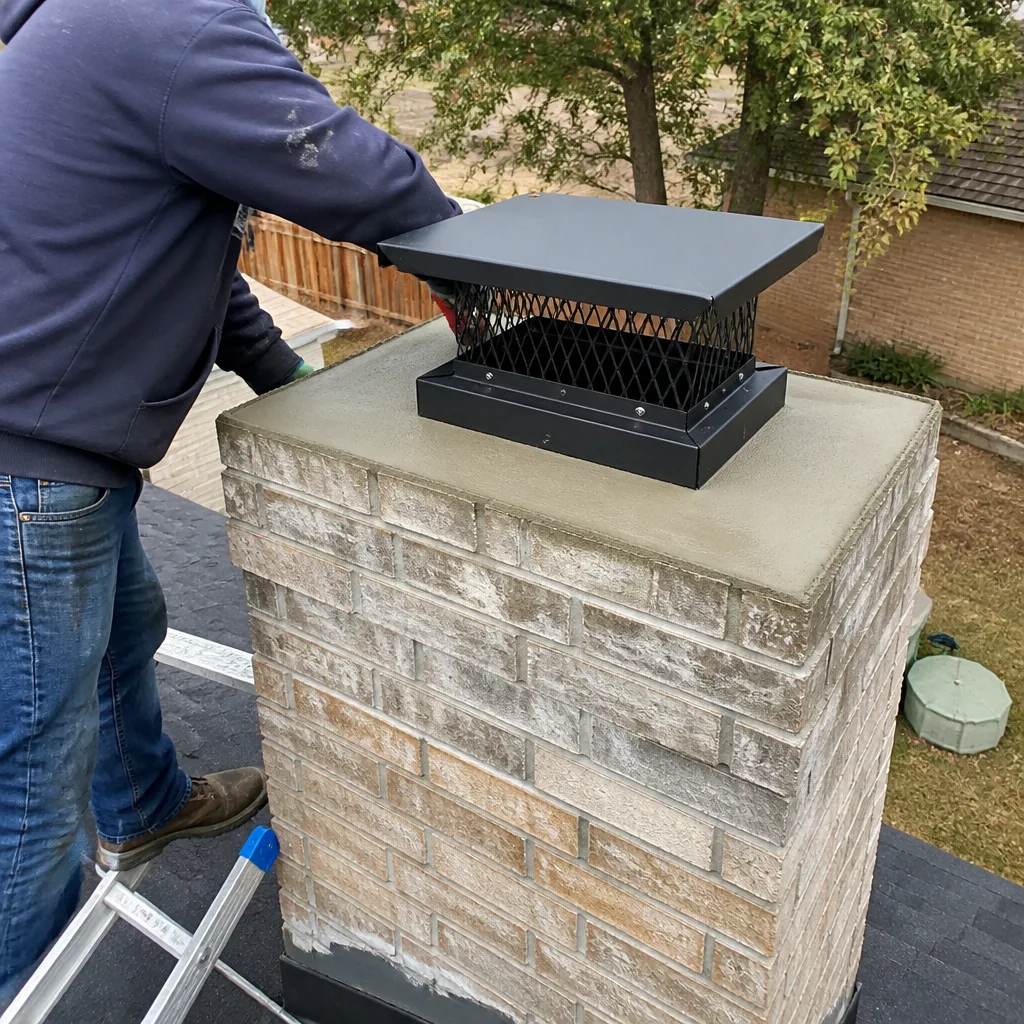
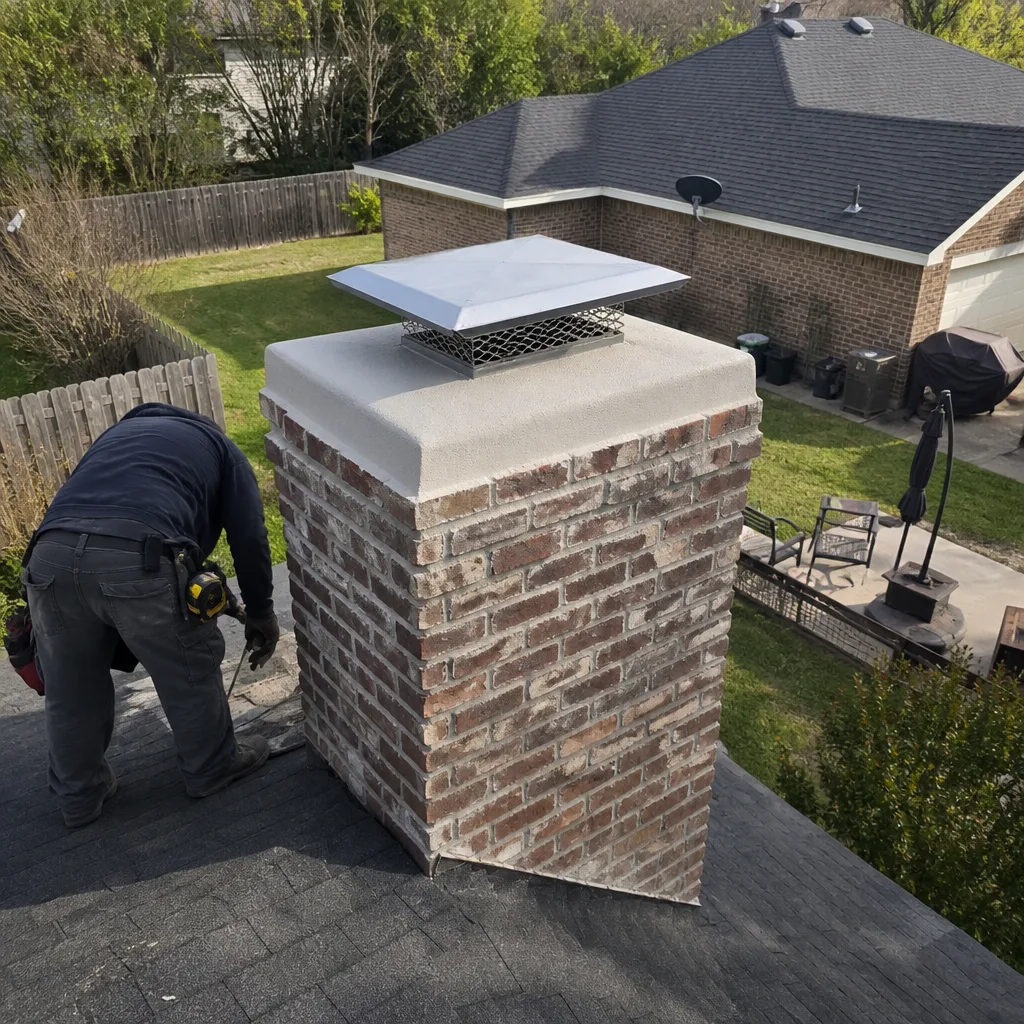
Before cleaning starts, you should receive photos of the existing condition: the creosote deposits on the flue walls, the firebox condition, the damper operation, and any visible damage to the crown, cap, or flashing. These are your proof of the starting condition. After cleaning, you should receive a matching set: the same angles showing the clean flue surface, the cleared smoke chamber, and any areas that were flagged for repair. The before photos show you what was actually dirty, and the after photos prove the work wasn’t theater. We send these photos to you digitally on every job, along with a written summary of findings.
The written report matters more than most homeowners realize. If you ever file a chimney-related insurance claim, a fire claim, or a water-damage claim tied to the chimney, insurers frequently ask for maintenance records. A dated cleaning report with photos is your evidence that you maintained the system to professional standards. Without documentation, your claim gets harder to prove. If you later sell your home and the inspector flags the chimney, your stack of dated cleaning reports becomes negotiation leverage and proof of stewardship. For chimney repair in Fort Worth, that same documentation history shows what was done, when, and with what materials, which is genuinely useful when evaluating whether a liner needs replacement now or can wait.
The Relay Visibility Guarantee means you also get live arrival tracking and a digital invoice you can pay from your phone. That’s the standard we think every Fort Worth homeowner should expect from any home service, not just a chimney company.
Common Mistakes to Avoid
- Burning unseasoned wood. Wood cut less than 12 months ago creates heavy steam and creosote. If you buy wood in Fort Worth, ask the supplier when the tree was felled and split, not when they stacked it in their yard. A fresh stack in a supplier’s lot in September was almost certainly cut that summer.
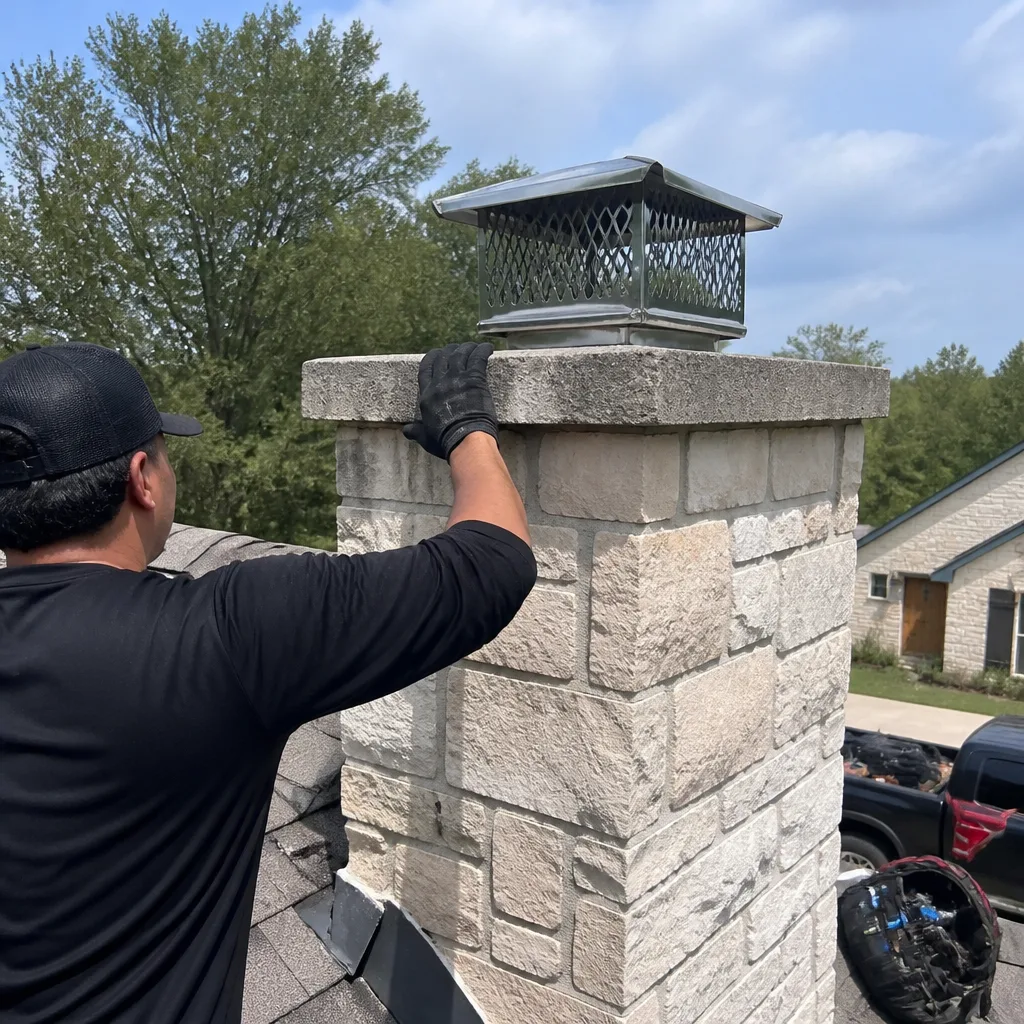
- Skipping the chimney cap. Fort Worth gets real wind, and wind-driven rain enters uncapped chimneys and mixes with creosote to form an acidic slurry that eats at clay tile liners and mortar joints. A $150 to $400 cap replacement prevents thousands in liner repair. We install Copperfield chimney caps for exactly this reason, they’re built for the weather patterns we actually get in North Texas.
- Assuming gas fireplaces need no service. Gas fireplaces absolutely need annual service. Burners clog, thermocouples fail, and gas valves stick. The logs may be fake, but the fire is real.
- Hiring based on price alone. A $99 chimney cleaning deal from a fly-by-night operation usually means a brush shoved up the flue for ten minutes with no vacuum, no smoke chamber cleaning, and no documentation. You’ll pay more to fix what they missed.
- Waiting for a problem to appear. Creosote buildup is invisible from the living room, and the first sign of trouble is often a chimney fire. Annual inspection is the only reliable early-warning system. This is why we recommend scheduling your cleaning in early fall, before burn season begins in earnest, when you still have full flexibility to book.
- Not pulling permits when needed. Some chimney and fireplace work in Fort Worth requires city permits depending on the scope, especially structural rebuilds or complete relining. A licensed professional should tell you when a permit is required and handle the process. If a company tells you not to worry about permits on structural work, that’s a red flag.
When to Call a Professional
Call a professional when you see shiny, tar-like creosote on your flue walls (visible from the firebox with a flashlight), when you smell a strong smoky or barbecue-like odor coming from the fireplace even when it’s not lit, when you notice water streaking down the interior firebox walls after rain, or when your damper is hard to open and close. Also call before you buy or sell a home in Fort Worth, after any hailstorm that hit your roof, and after any event that could have shifted your chimney structure. The bottom line is that any smoke you see entering the living room during a fire signals a flow problem that needs professional diagnosis. Hadley Chimney Fort Worth offers free estimates in Fort Worth, call (682) 900-6393 and a live person answers 24/7.
See the difference
 Before
 After
After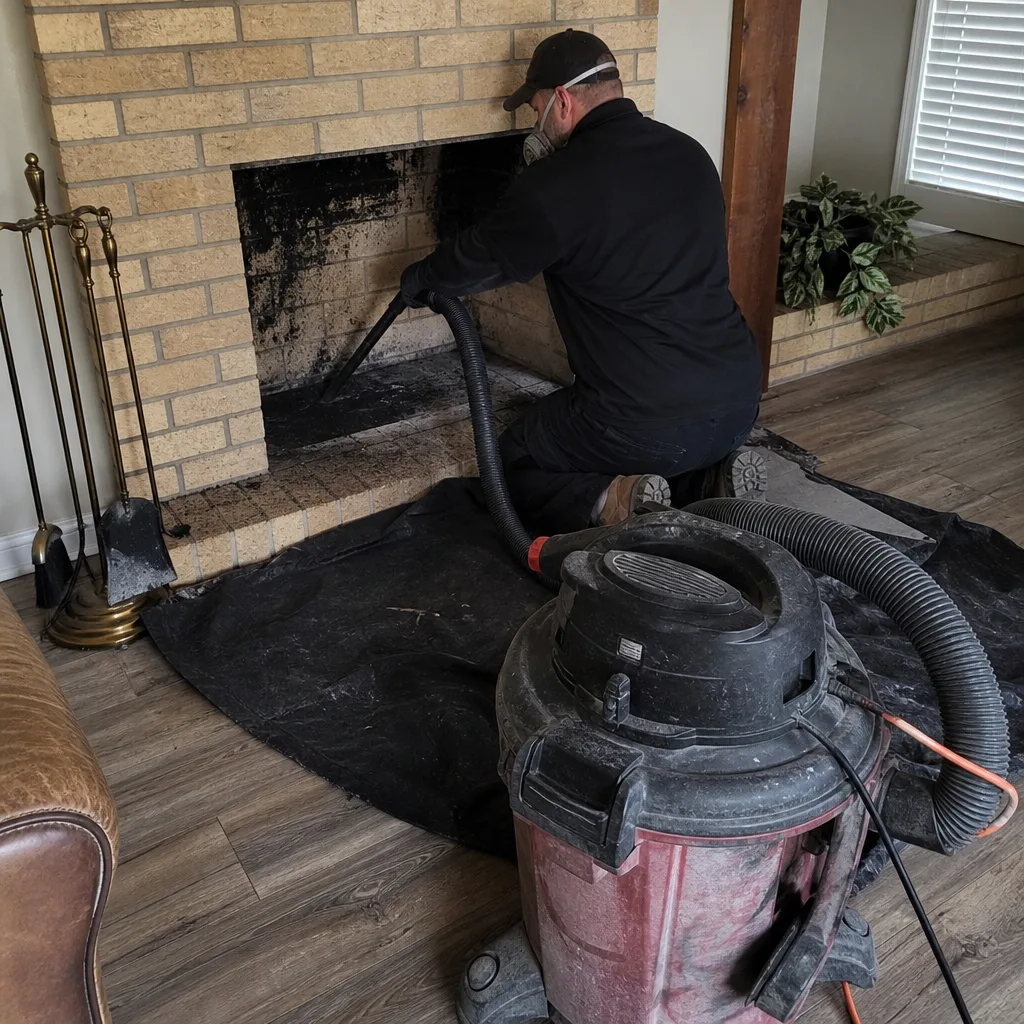 Before
 After
After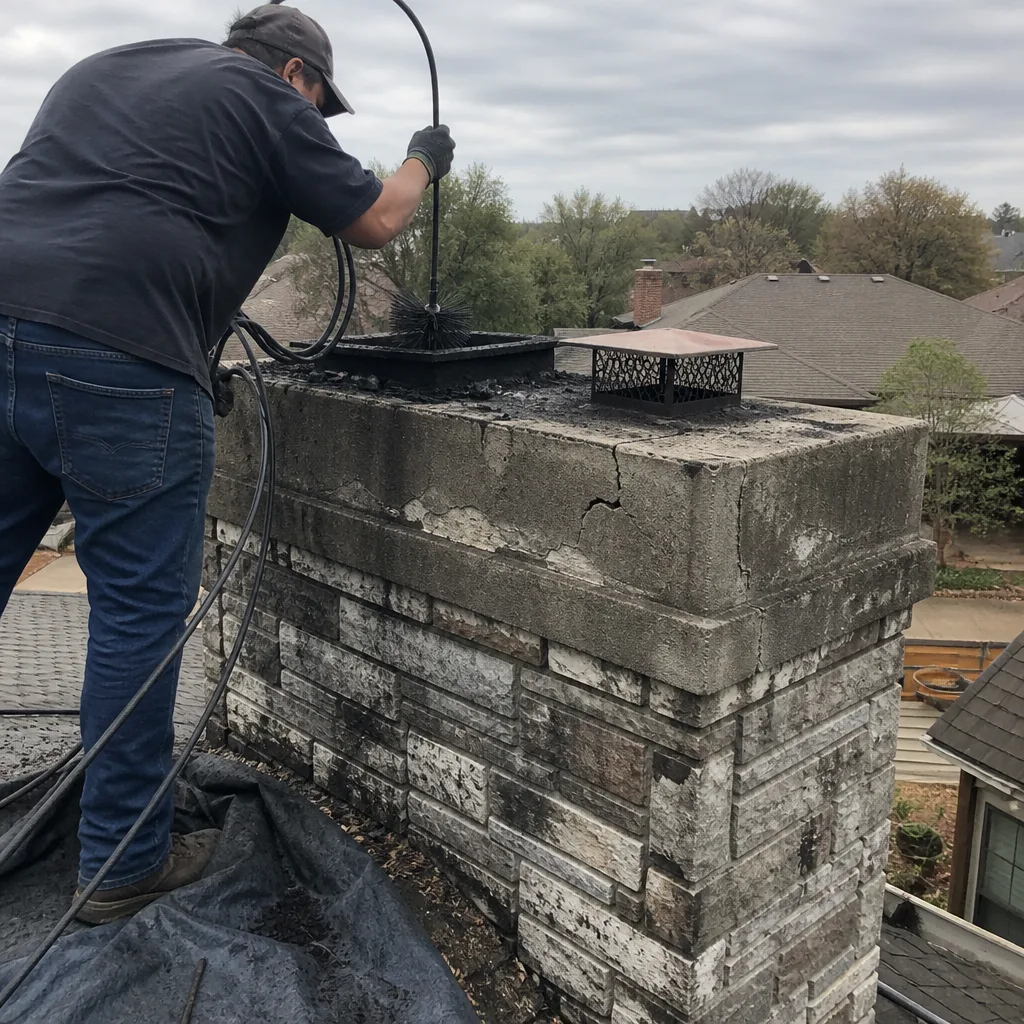 Before
 After
AfterFrequently Asked Questions
Once per year, before the first burn of fall. Fort Worth’s short, intermittent burn season and oak-heavy firewood create Stage 2 creosote faster than most homeowners expect, so annual cleaning is the safe standard even if you only burned a dozen fires last winter. Call (682) 900-6393 to book your fall cleaning before the rush starts.
A chimney sweep in Fort Worth typically costs $179 to $389 for a standard fireplace, with most single-story homes falling between $219 and $249. Factors like flue height, creosote stage, and roof access drive the price. We provide a written price before any work begins so you know the exact cost before we pick up a brush. Call (682) 900-6393 for a free estimate.
A sweep is the physical removal of creosote, soot, and debris from the flue and smoke chamber; an inspection is a systematic evaluation of the chimney’s condition and safety. A professional cleaning should always include a basic inspection, but a full Level 2 camera inspection is a separate service required in specific situations like home sales, chimney fires, or hailstorm damage.
You can purchase chimney brushes and tackle it yourself, but the risk-reward doesn’t favor DIY work. Climbing on a Fort Worth roof without fall protection, running the wrong brush type, and failing to capture the creosote dust properly are all predictable ways to create a bigger problem than the $200 cleaning would have cost. Professional equipment includes rotary systems and HEPA filtration that a homeowner simply can’t replicate with a hardware store brush.
Creosote is the flammable, tar-like residue that forms when wood smoke cools and condenses on chimney walls. In Stage 3 glazed form, it can ignite at around 2,000 degrees and burn with a ferocity that cracks flue liners and spreads fire into the home’s structure. The entire purpose of chimney cleaning is keeping creosote below dangerous levels.
Yes, and here’s why it matters more in our climate than in the desert Southwest. Fort Worth’s wind-driven rain enters uncapped flues and combines with creosote to create an acidic residue that destroys clay tile liners from the inside. A proper cap also keeps out birds, raccoons, squirrels, and leaves, all of which are common in Tarrant County neighborhoods. We install Copperfield and Famco caps, which are stainless steel systems built for long-term weather exposure.
The Bottom Line
Chimney cleaning in Fort Worth is not a generic maintenance task you can treat with a national-average checklist. The local burn pattern, climate, and oak wood supply create a heavier creosote profile than most guides acknowledge, and the solution is annual professional cleaning with real documentation. If you take one thing from this guide: schedule your cleaning before the first cold snap, expect a written price before work starts, demand photos showing before and after condition, and never accept a service that doesn’t explain what it found in language you understand. Explore more guides & resources to keep your chimney safe year-round. That’s the minimum standard now, and Fort Worth homeowners deserve it.
Written by Cory Mitchell, Owner at Hadley Chimney Fort Worth, serving Fort Worth since 2003.