
Last updated October 15, 2026
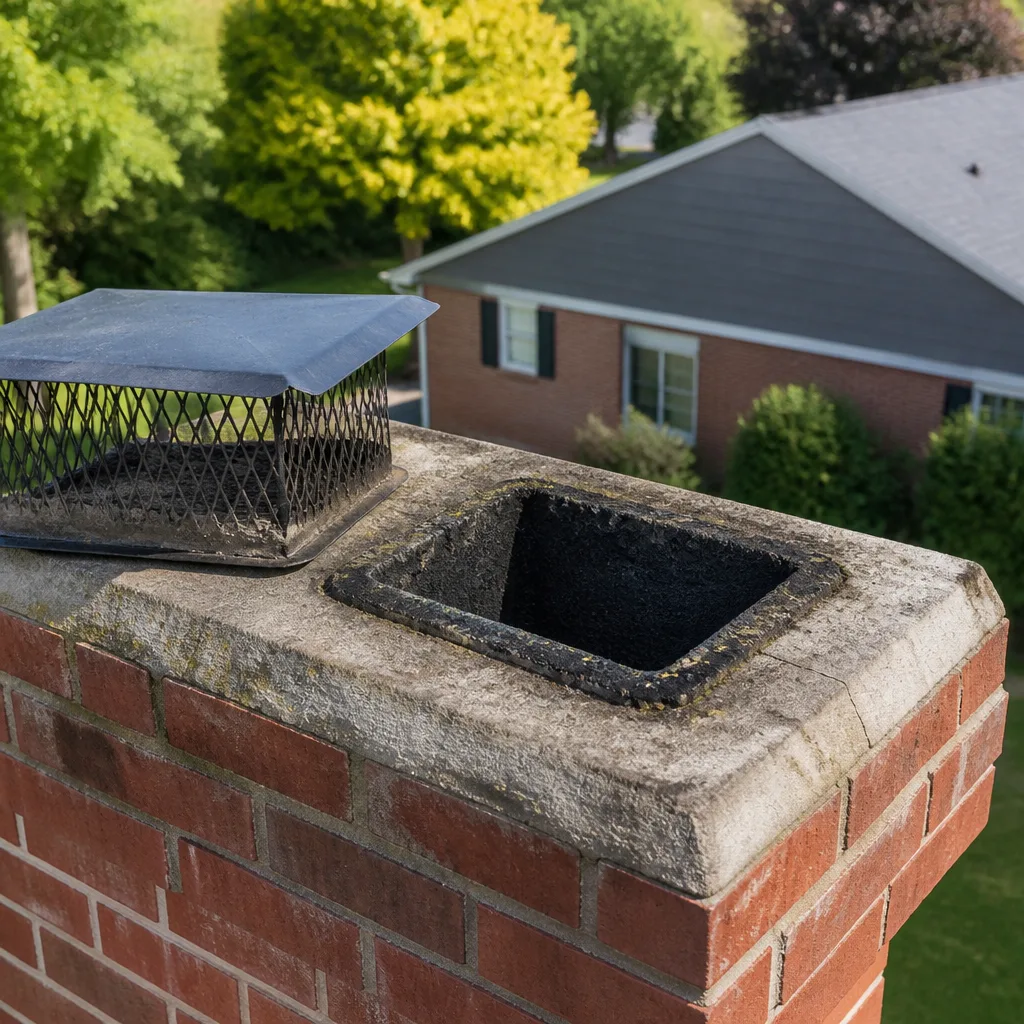 Sweep & inspection
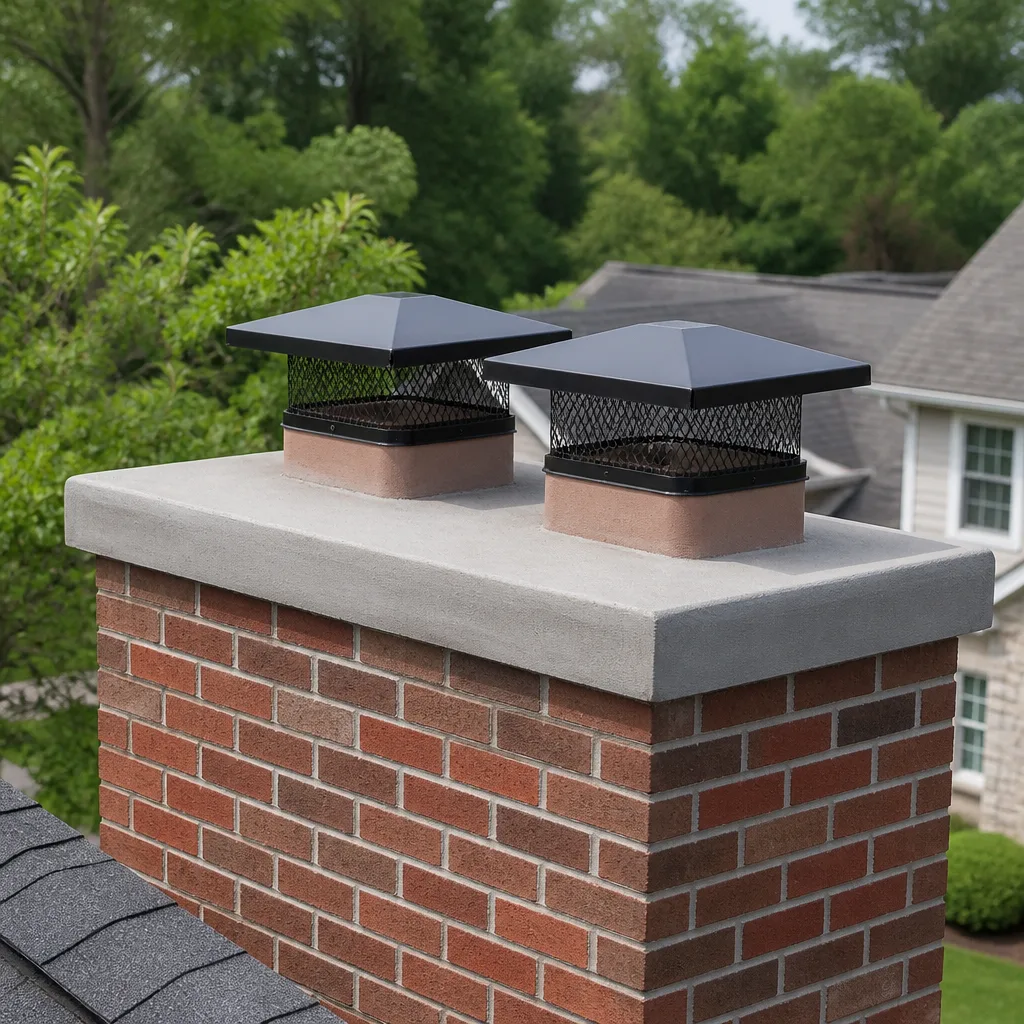 Caps & crowns
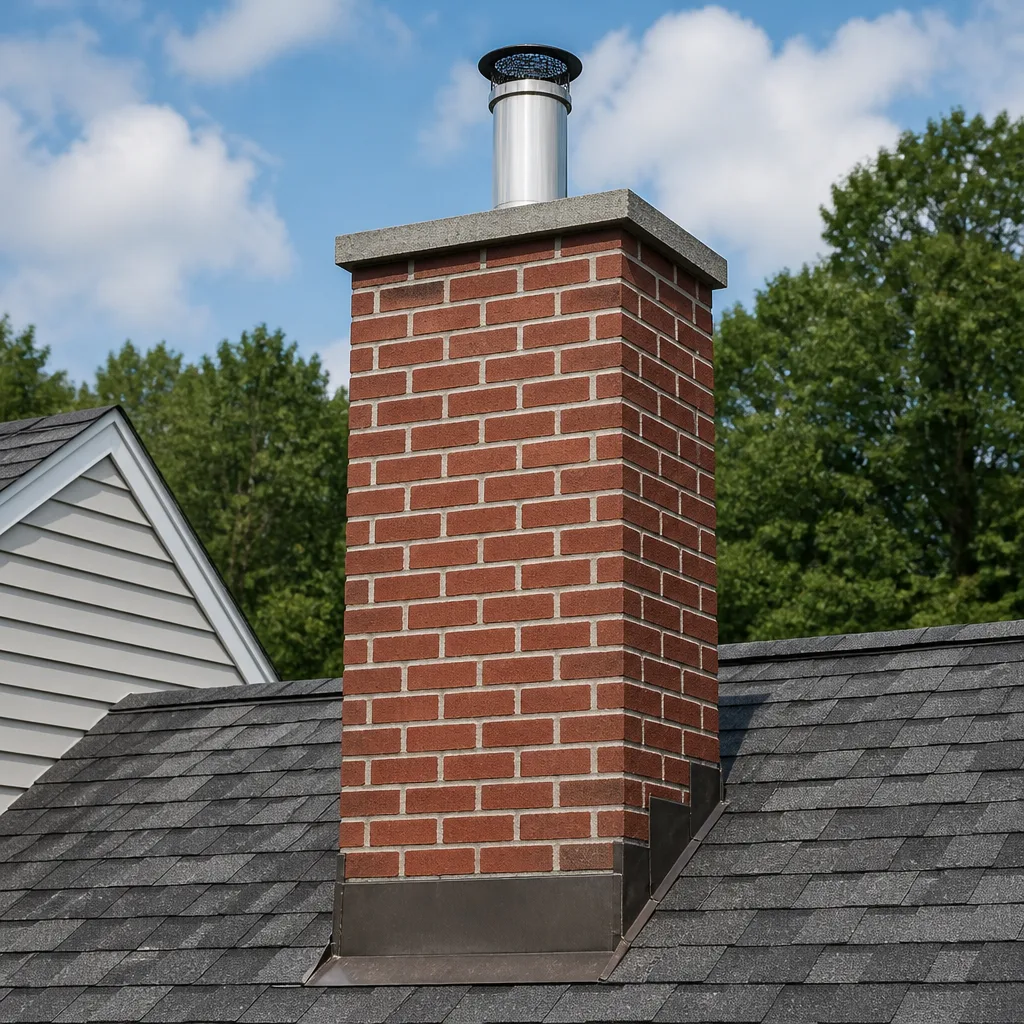 Flue relining
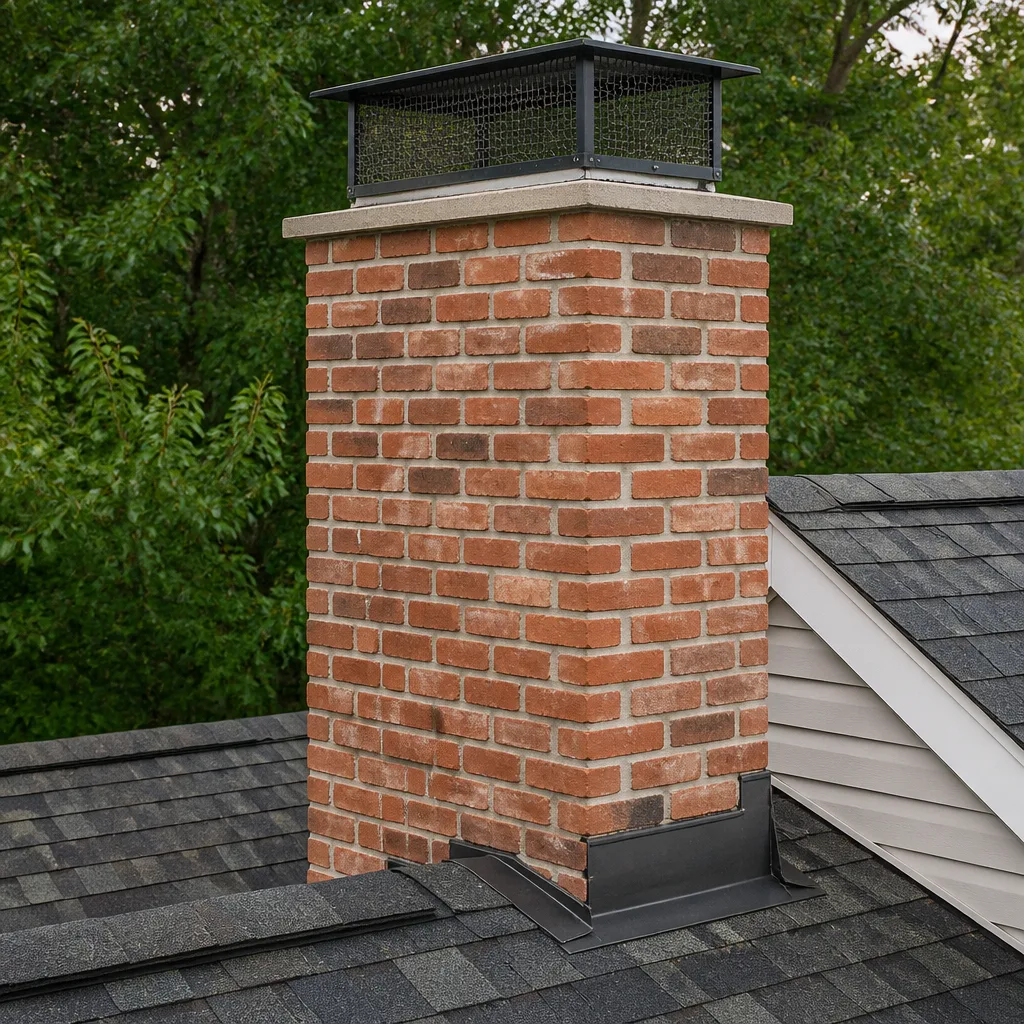 Masonry repair
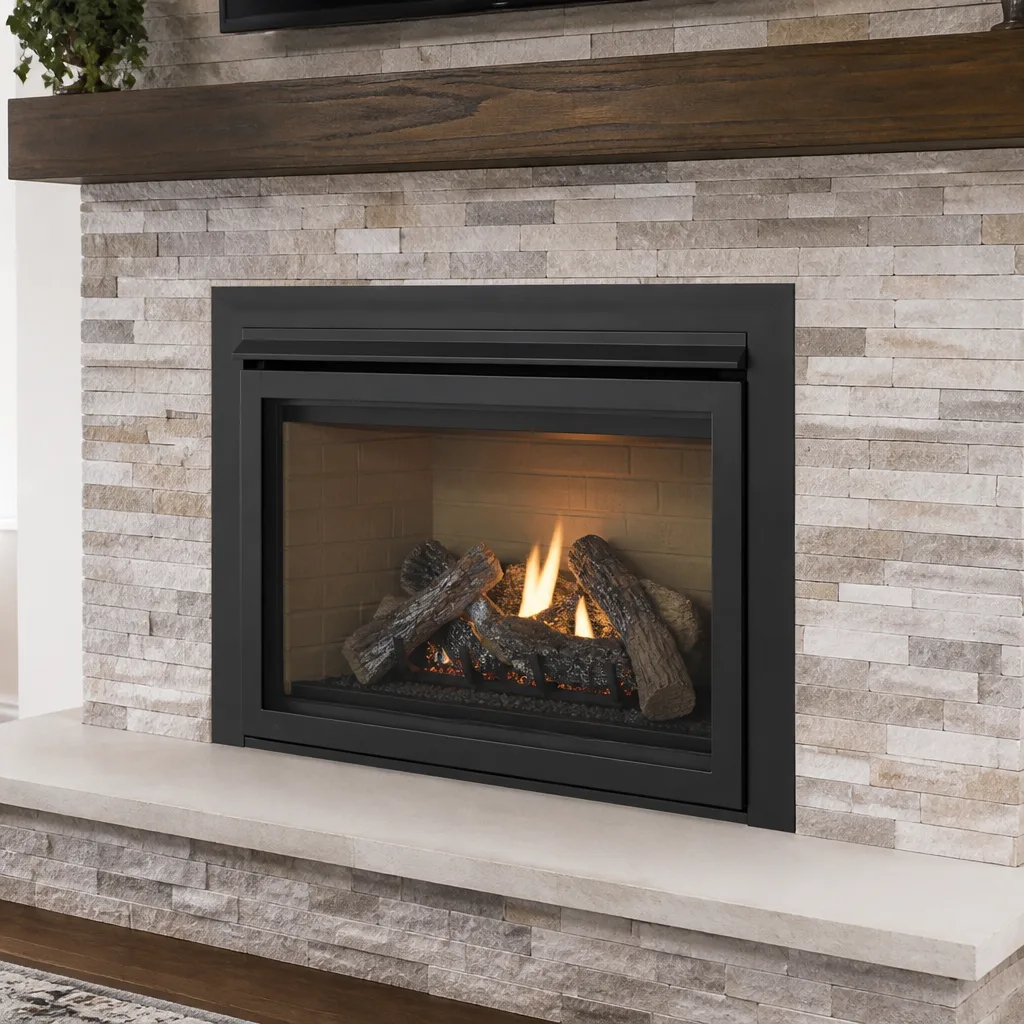 Gas fireplace service
Level 1 sweep and inspection to the NFPA 211 annual standard - flue, crown, cap, and flashing checked and photographed
Chimney sweep logs do not sweep chimneys. They loosen some creosote - which then falls where a brush and vacuum still have to collect it.
Chimney Sweep Maintenance Checklist for Fort Worth Homeowners
Here’s the thing about most chimney maintenance checklists: they were written for someone in New England who burns cord wood from October through April and worries about ice dams. That’s not how Fort Worth works. We burn oak and mesquite for maybe six weeks a year, we worry about hail instead of snow load, and our chimneys spend most of their life baking in Texas heat rather than freezing. This checklist reflects that reality. You’ll learn exactly what to check each month, what you can safely inspect yourself from inside your firebox, what to log after each professional Chimney Sweep services visit, and why gas log maintenance is a completely different animal from wood-burning maintenance. If you own a home in Fort Worth with a fireplace, this is the guide that matches your actual house and your actual weather.
Quick Answer
A Fort Worth chimney needs an annual professional sweep and inspection, ideally scheduled in late September or early October before the first cold snap, plus a handful of visual checks you can do yourself every month. The fireplace season here runs roughly November through early March, which means your maintenance calendar looks nothing like the generic four-season advice online. For wood-burning fireplaces, the critical check is creosote buildup (the flammable tar that causes chimney fires). For gas log fireplaces, the critical check is dust and debris on the burner and a clean pilot assembly. Hadley Chimney Fort Worth home guides have always treated these as two separate systems, because maintaining them as one leads to expensive mistakes.
Styles & brands we work with
Table of Contents
- Why the Fort Worth Fireplace Season Changes Your Whole Checklist
- Your Month-by-Month Chimney Maintenance Calendar
- Interior Visual Checks You Can Do From the Firebox Opening
- The Exterior Checklist: What DFW Weather Does to Your Chimney
- What to Log and Keep on File After Every Professional Visit
- Gas Log Fireplaces vs. Wood-Burning: Two Separate Checklists
- Common Mistakes to Avoid
- When to Call a Professional
Why the Fort Worth Fireplace Season Changes Your Whole Checklist
The standard advice you’ll read in The Complete Guide to Chimney Cleaning in Fort Worth and elsewhere says to sweep your chimney once per year, ideally in the fall. For Fort Worth homeowners, that timing actually holds up, but the reasoning is different, and the “once a year” part is more nuanced than the national advice suggests. Our season is short and intense. You’ll likely burn from Thanksgiving week through the first week of March, with the heaviest use between mid-December and Valentine’s Day. That’s six to ten fires per season for most households, burning oak, mesquite, or store-bought duraflame-type logs. None of that produces the kind of heavy glaze creosote you see in northern climates where people burn pine and burn it daily for five months. What Fort Worth chimneys actually accumulate is a drier, crustier layer of creosote plus a lot of dust, spider webs, and sometimes wasp nests from the many months the fireplace sits idle. The maintenance risk isn’t a thick tar blockage. It’s the combination of a light creosote layer plus whatever moved into the flue during the nine idle months. That’s why timing your sweep for late September or early October matters more than the frequency. You’re not removing a winter’s worth of buildup. You’re clearing out the idle-season residents and checking that the system survived another Texas summer.
Your Month-by-Month Chimney Maintenance Calendar
Here’s the calendar we recommend for Fort Worth homes. It’s built around the actual burning season and the actual weather patterns we get in Tarrant County.
- September (1st-15th): Book your professional sweep and inspection. This is the single most important scheduling decision. Waiting until November means competing with every other homeowner who just felt the first cold morning. Book early and you’ll get your choice of time slots. During the sweep, ask the technician to check three things specifically: the condition of the damper, the first six feet of flue tile above the firebox (where most Fort Worth heat damage occurs), and the cap screen for rust.
- October: Do your pre-season firebox inspection. Open the damper fully and look up with a flashlight. You’re checking for any visible blockage, any fallen masonry, and any animal nesting material. Turn on the fireplace light or use a bright flashlight from outside, aiming up the flue. If you see anything that looks like sticks, grass, or fur, do not light a fire. Call for a sweep first.
- November through February (burning season): Monthly visual sweep checks. After every fifth fire, shine a light up the flue and look at the walls. Fresh creosote looks shiny or powdery black. If you can scrape off more than an eighth of an inch with a fireplace poker, it’s time to stop burning and schedule a sweep, even mid-season. In our experience, the homes that run into trouble are the ones that ignore a mid-season buildup because “we only burn a few weeks a year.”
- March: End-of-season assessment. When you’re done burning for the year, do one more firebox inspection. Note any new cracks in the firebrick, any rust on the damper, and any white staining on the masonry. Write these observations down. You’ll compare them against next October’s inspection.
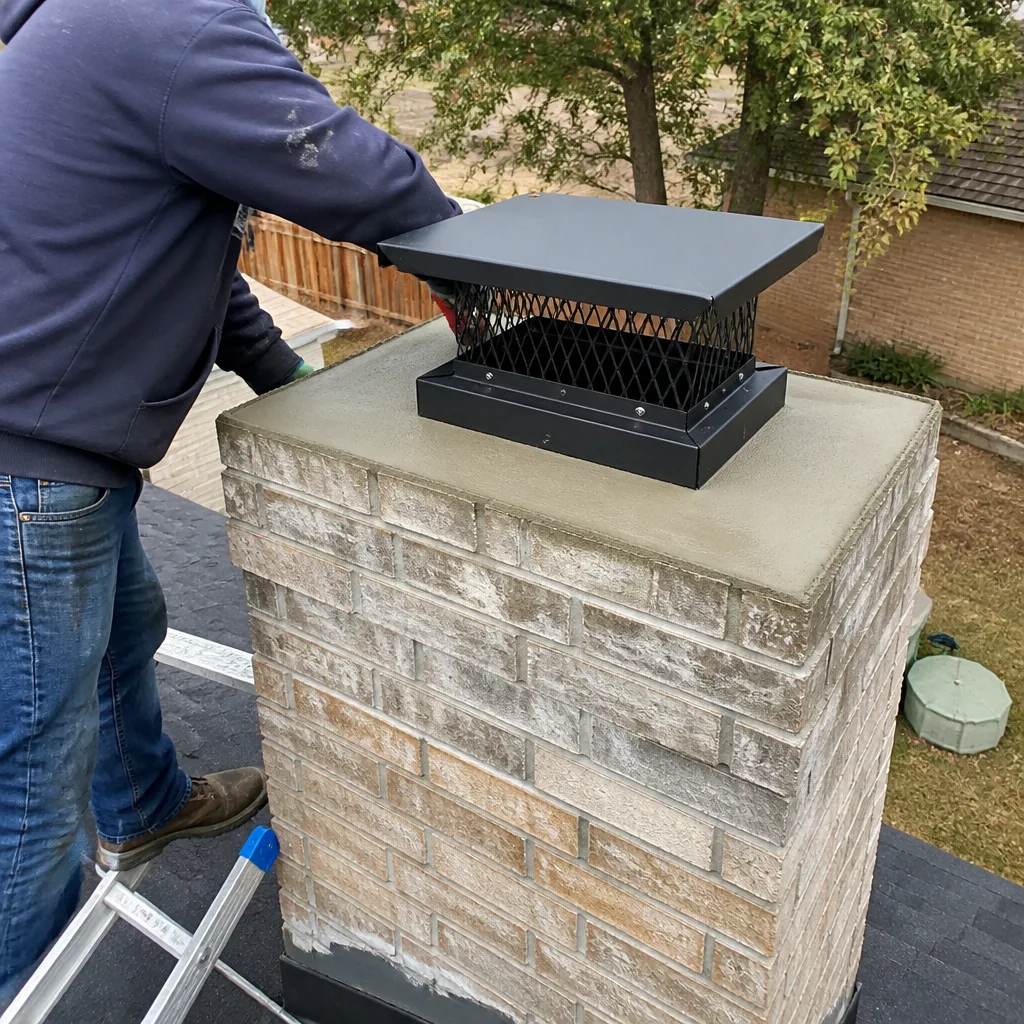
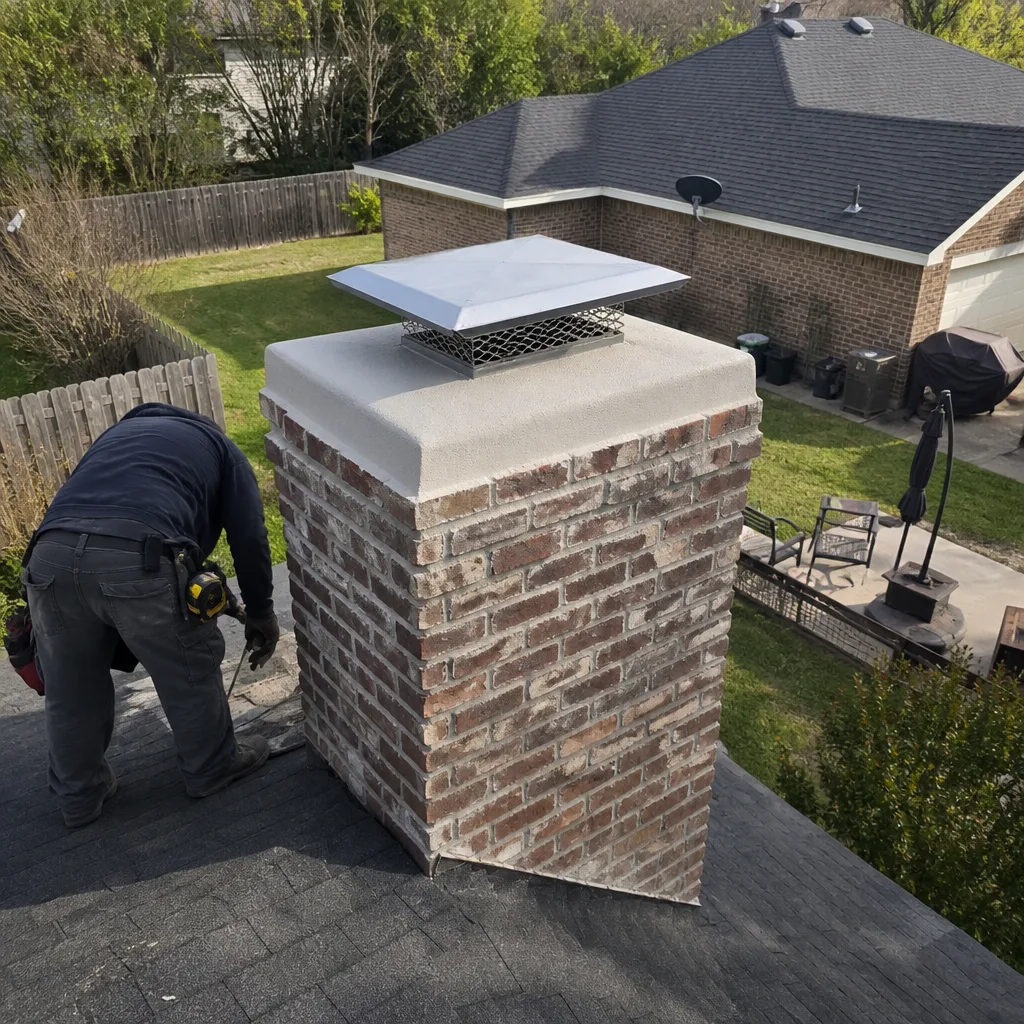
- April through May: Exterior inspection after spring storms. This is the hail and wind season in Fort Worth. Check the chimney cap, the flashing where the chimney meets the roof, and the crown (the concrete slab on top). Spring storms knock tree limbs onto caps and tear flashing loose. A loose cap lets rain in, and rain plus creosote makes an acidic sludge that eats flue tiles.
- June through August: Monitor mortar joints during heat cycles. Texas summer heat is rough on brick and mortar. Days above 100 degrees followed by nights in the 70s cause the masonry to expand and contract. This is when hairline mortar cracks widen and when spalling (brick faces popping off) becomes visible. Walk the perimeter monthly and look for fresh brick fragments on the ground or roof.
For a full professional evaluation of your system, including camera inspection and a written condition report, see our Chimney Sweep in Fort Worth service page.
Interior Visual Checks You Can Do From the Firebox Opening
You don’t need to climb on the roof to catch most developing chimney problems. A flashlight and five minutes at the firebox opening will reveal more than most homeowners realize. Here’s what to look for, in order of how serious the finding is.
- Spalling mortar or brick. Look at the back wall of the firebox and the first visible rows of firebrick. Spalling means surfaces are flaking, crumbling, or shedding chunks. In Fort Worth, spalling in the firebox is often a sign that rain has been getting in through a failed crown or cap and soaking the brick from above. Small flakes are worth photographing and watching. Quarter-sized or larger chips are a call-to-a-pro situation.
- White efflorescence stains. Efflorescence is the white, chalky deposit that appears on masonry when water moves through it and evaporates, leaving mineral salts behind. If you see white streaks or patches on the firebox walls or the exterior chimney facing, water is entering somewhere. It may be a cap issue, a flashing issue, or a crown crack. The white stain itself is harmless, but it’s a reliable tell that the system is getting wet.
- Rusted damper or damper assembly. The damper is the metal plate that opens and closes the flue, usually operated by a lever or chain just above the firebox opening. Surface rust is normal. Deep rust that flakes off in sheets or a damper that no longer moves freely means the metal has been wet many times. A stuck damper is a mild annoyance. A damper that won’t fully close lets conditioned air escape your house all summer.
- Glazed or shiny black creosote on the flue walls. Shine your flashlight directly up the flue. Dry, flaky creosote is manageable. Shiny, tar-like creosote that looks like melted plastic is called Stage 3 and it’s the most dangerous. It’s dense fuel, it burns hot, and it’s difficult to remove with standard sweeping brushes. Fort Worth homes that burn store-bought logs frequently see Stage 2 or 3 buildup faster than homes burning seasoned oak, because manufactured logs can burn wetter than kiln-dried wood.
- Evidence of animals. Birds, squirrels, and raccoons see your chimney as a hollow tree. If you hear scratching during the day (birds) or at night (raccoons), or if you see nesting material, droppings, or feathers near the damper, the annual sweep becomes urgent. A blocked flue does not draft and smoke pours back into your living room.
- Thin hairline cracks in the firebox panels. If you have a prefab firebox insert (common in 1970s and 1980s brick ranches throughout Fort Worth), the panels inside are refractory, not structural brick, and they crack over time. Hairline cracks under 1/8 inch are usually fine to burn with until the next professional inspection. Cracks wide enough to fit a nickel mean the panel needs replacement. Burning with a failed refractory panel can put heat directly against the metal shell of the fireplace.
Photograph anything that concerns you with your phone. It takes thirty seconds and it gives you a baseline to compare against next year. When you call a chimney company, having those photos means you can describe the issue accurately before anyone drives out.
The Exterior Checklist: What DFW Weather Does to Your Chimney
Fort Worth weather is harder on the outside of a chimney than the inside. We get hail, high winds, long dry heat spells, occasional ice, and the kind of summer storms that drop a month of rain in an afternoon. The exterior checklist is about water management and structural integrity. Everything that fails on the outside shows up later, magnified, on the inside.
- Check the chimney cap after every hail event. Fort Worth sits on the edge of hail alley, and our chimney caps take a beating. A dented cap still works. A cap with holes or with the mesh screen torn means animals and rain both have access. If you can see daylight through the mesh from the ground with binoculars, it’s compromised. Replacement caps are one of the cheapest fixes in chimney work, and waiting turns a $250 cap replacement into a $3,000 flue repair.
- Inspect the flashing seals after spring storm season. Flashing is the metal barrier where the chimney meets the roofline, and it’s the number one leak source on DFW chimneys. Wind-driven rain, repeated hail impacts, and the freeze-thaw cycles we occasionally get in January all work the flashing loose. Look for gaps between the flashing and the brick, cracked sealant, or flashing that’s pulled away from the roofline. If you see water stains on the ceiling near the fireplace, you’re looking at a flashing failure until proven otherwise.
- Walk the perimeter and look for fresh brick fragments. Spalling occurs when water enters the masonry and then heat or freeze cycles pop the brick face off. Texas heat accelerates spalling because it causes trapped water to expand as vapor. If you find brick chips on the ground or on the roof around the chimney, the structure is degrading. The fix is usually repointing (replacing the mortar joints) or applying a waterproofing treatment, not replacing brick.
- Check the crown for cracks every June. The crown is the concrete cap on top of the chimney, and it exists to shed water away from the flue opening. Crowns crack over time because of thermal expansion. A crown crack wider than a credit card edge needs sealing. A crown that’s crumbling at the edges needs rebuilding. Water that gets through the crown soaks the masonry, saturates the flue, and eventually stains your firebox walls.
- Clear vegetation that touches the chimney. Ivy, wisteria, and climbing vines look charming and act like a slow demolition crew. Their tendrils work into mortar joints, their leaves hold moisture against the brick, and their root systems widen existing cracks. Trim anything that touches the chimney at least twice a season.
When we inspect exterior chimneys in Fort Worth, the pattern we see most often is a clean interior with a neglected exterior. The firebox looks fine, but the crown has been cracked for years and the flashing is pulling away. Those are the jobs that turn expensive because water already found its way in. Catching exterior issues early is the cheapest insurance you’ll ever buy for your chimney. Learn more about the repair side at Chimney Repair in Fort Worth.
What to Log and Keep on File After Every Professional Visit
Most homeowners throw away the receipt after a chimney sweep and never think about the inspection notes again. That’s a mistake, and it costs real money when you eventually sell your Fort Worth home. A fireplace and chimney are structural and safety systems, and buyers’ inspectors flag them regularly. Having a paper trail of maintenance turns a lowball repair request into a settled question.
Keep a simple folder, physical or digital, with these items after every professional visit:
- The dated sweep certificate or report. If the company provides one, file it. If they don’t, write down the date, the company name, and what was done on the back of the invoice. Inspector will check.
- The technician’s liner condition notes. If they ran a camera up the flue, the notes describing tile cracks, gaps, or missing mortar are part of your home’s mechanical history. A liner that was noted as “minor stage 1 cracking” in 2024 and shows the same in 2026 is stable. A liner that shows progression is a repair you want to know about before a buyer’s inspector writes it up.
- Photos from the camera inspection. Ask for them. Any decent Chimney Sweep in Fort Worth technician will document what the camera saw. Store the images in the same folder. When you sell, you can show the buyer exactly what the inside of the flue looks like and when it was last verified.
- Any repair quotes, even if you declined the work. This one feels counterintuitive, but declined quotes establish that you assessed the system and made a judgment call. It shows diligence. It also gives you a baseline price if the issue comes up again two years later.
- The creosote measurement in millimeters or a grade. Professional sweeps usually describe creosote as Stage 1 (light dust), Stage 2 (flaky buildup), or Stage 3 (glazed tar). Logging the stage each year tells you whether your burning habits are creating dangerous accumulation or keeping things manageable. If you go from Stage 1 to Stage 3 in a season, you need to look at what you’re burning or how you’re building fires.
When you sell a Fort Worth home, the buyer’s inspector will look at the chimney. They’ll check for visible exterior damage, they’ll shine a light up the flue from inside, and they may flag issues based on what they can see. A folder with five years of sweep records, camera photos, and liner notes tells the inspector this system has been maintained. In our experience, that documentation alone resolves fifteen to twenty minutes of back-and-forth during the inspection period.
Gas Log Fireplaces vs. Wood-Burning: Two Separate Checklists
We can’t emphasize this enough: a gas log fireplace is not the same as a wood-burning fireplace and pretending otherwise creates maintenance failures. The national checklists almost always lump them together, which is why so many Fort Worth homeowners with gas logs think they need an annual sweep. They don’t, but they do need several specific maintenance steps that most guides never mention. Here’s how to handle each system.
The Wood-Burning Checklist (Fort Worth Edition)
- Annual sweep and flue inspection, September through early October.
- Burn only seasoned hardwood (oak, mesquite, hickory) that’s been split and stacked dry for at least a year. Wet or green wood smokes, burns cool, and creates creosote fast.
- Never burn pine, cedar, wrapping paper, cardboard, or construction lumber. Pine and cedar throw sparks and burn with high resin content. Paper and cardboard float embers up the flue. Construction lumber is often treated.
- Open the damper fully before every fire. Confirm it’s open by looking up or feeling for the draft before you light the kindling.
- Keep a three-foot clear zone around the firebox. Fort Worth homes with raised hearths still see ember burns on rugs and furniture every season.
- Dispose of ashes in a metal container with a tight-fitting lid, stored outside, at least three feet from the house or any structure. Ash that looks cold on top can hold embers underneath for two or three days.
The Gas Log Checklist (Tarrant County Edition)
- Inspect the burner and logs for dust, pet hair, and debris before the season. Gas logs that sit idle through a Texas summer collect a surprising amount of dust unless the fireplace has glass doors.
- Check that the pilot light assembly is clean and the flame is steady. A weak, flickering, or yellow pilot flame indicates a clogged pilot orifice or a gas pressure issue, and it’s a gas appliance problem, not a chimney problem.
- Test the carbon monoxide detector in the same room before the first burn. Gas fireplaces that operate correctly produce no CO, but a clogged burner or failing thermocouple can, and the detector is your only early warning.
- Have the fireplace and gas line inspected by a qualified technician every two to three years, even if it’s working fine. Gas log sets should burn with a clean blue-and-yellow flame. Soot buildup on the logs means the air-to-gas mixture is off and the logs are burning dirty.
- Do not burn paper, pine cones, or anything else in a gas log fireplace. The log set is ceramic, not wood, and the byproducts of burning real material in a gas fireplace can corrode the burner and clog the gas ports. More on this at Gas Fireplace Repair in Fort Worth.
In Fort Worth, the gas log fireplace is the more common system in newer construction and in homes built after 1990. These systems still need annual attention, but the attention is about the gas components and the venting, not about creosote. Understanding the difference saves you from paying for a sweep you don’t need while still catching the issues that actually matter for your system.
Common Mistakes to Avoid
- Skipping the fall sweep because you only burned a few fires last season. The creep isn’t from last year’s fires alone. It’s from twelve months of dust, spider webs, animal activity, and idle-season moisture. In Fort Worth, the idle season is longer than the burning season, which means idle-season accumulation is the bigger problem.
- Burning store-bought logs without checking the creosote level more frequently. Manufactured logs are convenient and burn clean when used as directed, but using multiple logs at once or combining them with real wood produces more creosote than most homeowners expect. After every fifth manufactured log, check the flue walls.
- Ignoring a white chalk patch because it’s “just cosmetic.” Efflorescence is never just cosmetic. It’s a moisture report written on your brick. The white stain will sometimes fade, but the water entry behind it does not go away on its own.
- Waiting until the first freezing morning to book a sweep. Fort Worth’s first real cold snap arrives quickly and every chimney company gets a month’s worth of calls in a week. Booking late means either waiting weeks for an appointment or paying a premium for after-hours service.
- Using the chimney as a trash incinerator during the off-season. Burning leaves, yard waste, or old mail in your fireplace outside of the normal season is how house fires start. Fort Worth fire codes prohibit open burning in most residential areas anyway, and a fireplace is not a loophole.
- Closing the damper immediately after the fire dies. That smoky smell you get when the damper is open is normal. Shutting the damper while the fire is still smoldering sends that smoke back into your home. Wait until the fire is completely out and the ashes are gray and cool before closing the damper.
- Assuming a chimney that drafts fine is safe. Draft is only one indicator of chimney health. A flue can draft well while the liner is cracked, while the mortar joints are failing, or while the exterior crown is letting water in. The annual inspection exists to find the problems that don’t announce themselves with smoke in the living room.
When to Call a Professional
Some chimney issues are judgment calls. Others are not. Call a professional if you see any of these: visible interior rust or water stains on the firebox, white efflorescence for more than a season, a damper that won’t open or close, any animal sign, crumbling mortar or brick fragments around the chimney base, a cracked or damaged chimney cap, or flue creosote thicker than an eighth of an inch. If you smell smoke in the house when the fire is going, stop burning immediately. That’s a draft or blockage issue and it’s not something to troubleshoot from the couch. Hadley Chimney Fort Worth offers free estimates in Fort Worth including camera inspection and photo documentation on every visit. Call (682) 900-6393 and a real person answers, day or night.
See the difference
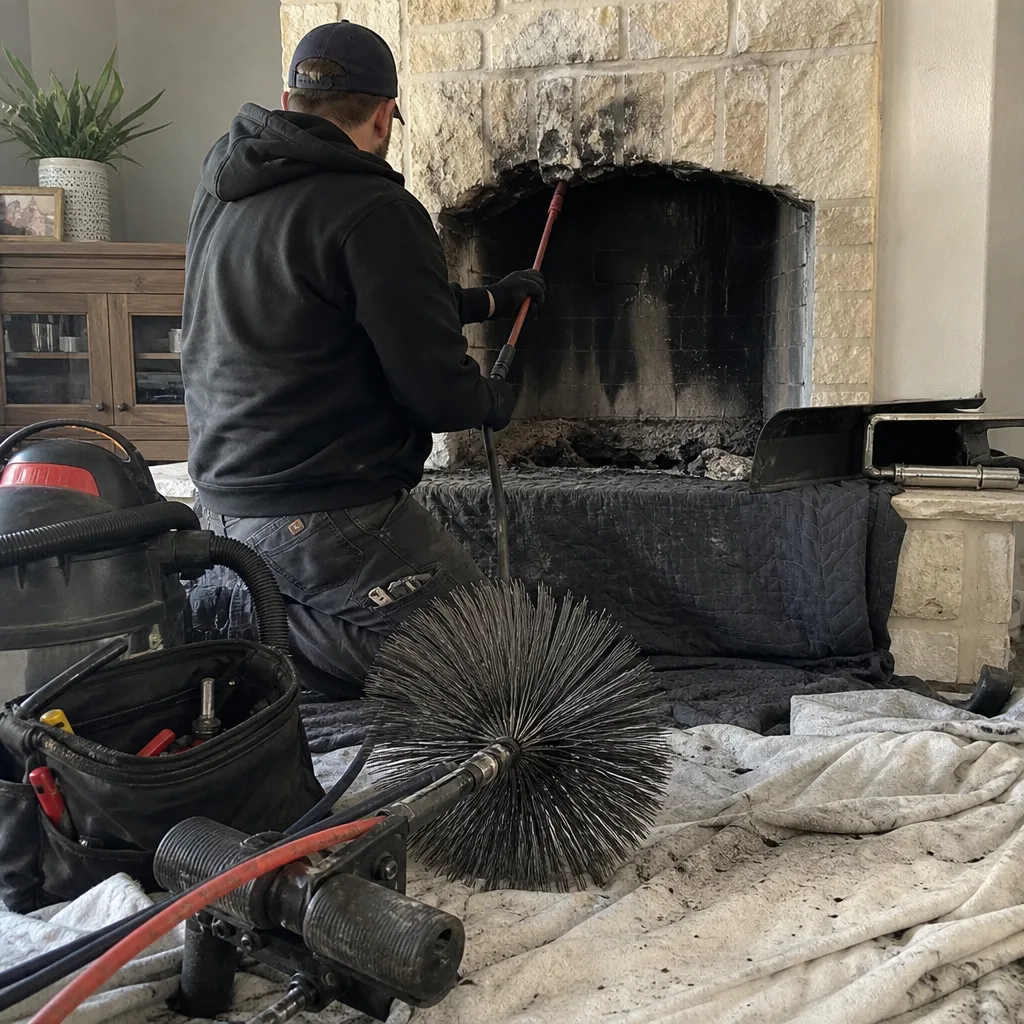 Before
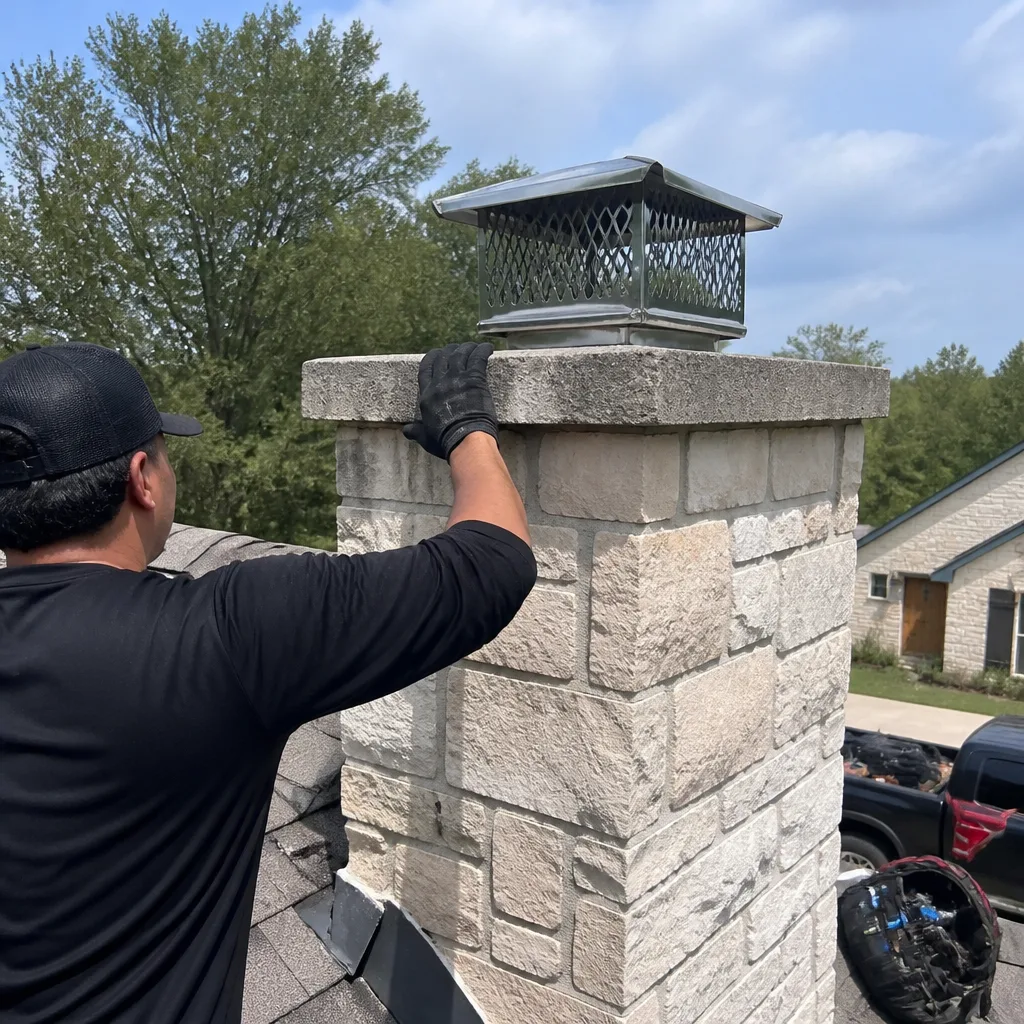 After
After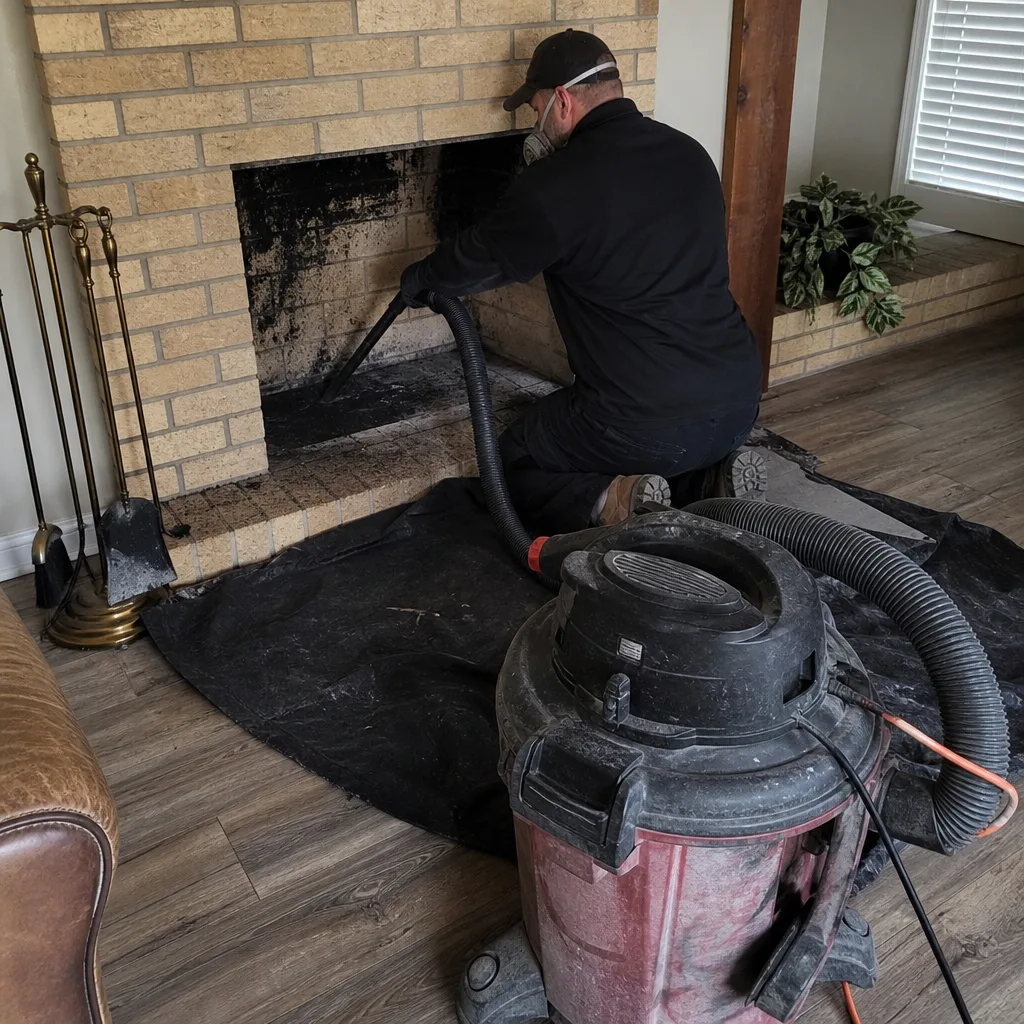 Before
 After
After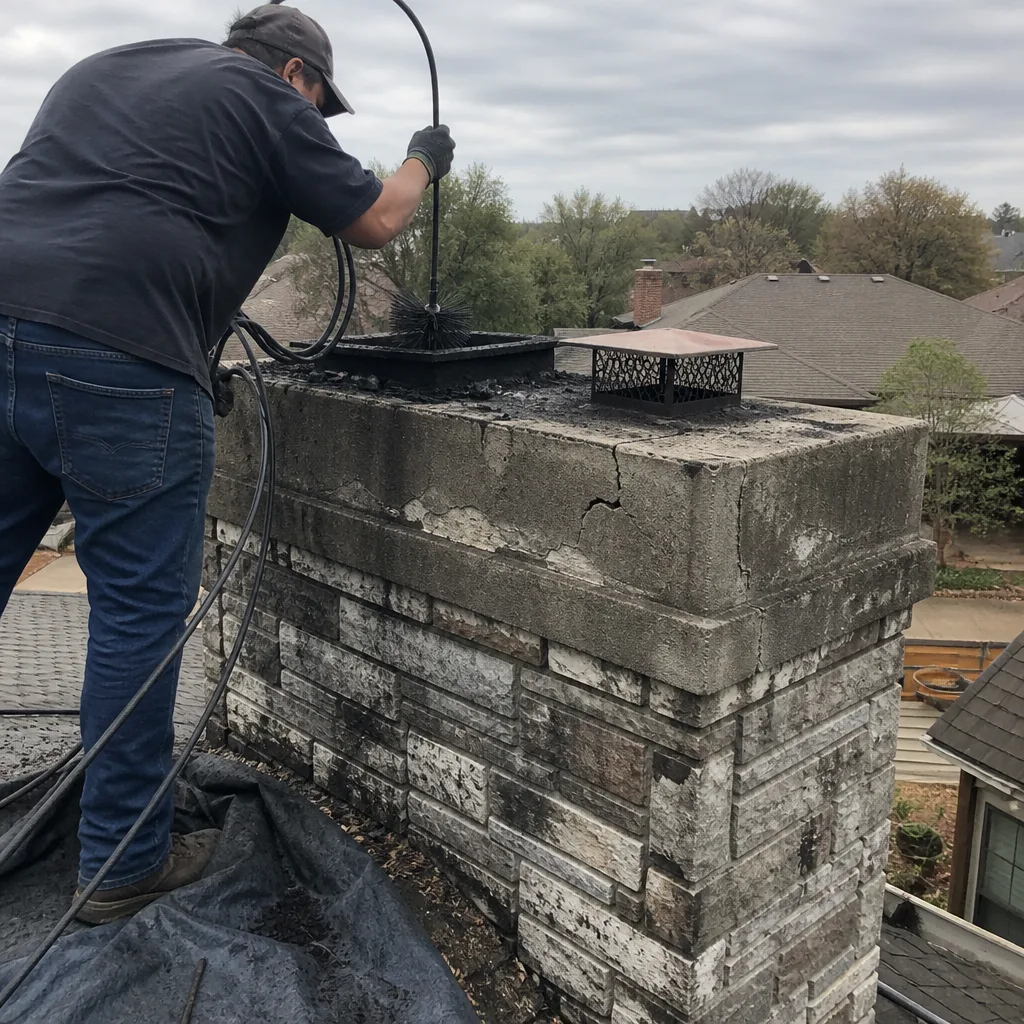 Before
 After
AfterFrequently Asked Questions
A standard chimney sweep and inspection in Fort Worth typically runs between $180 and $340 depending on the height, accessibility, and condition of the chimney. If the chimney hasn’t been serviced in more than three years, or if there’s animal removal or Stage 3 creosote involved, the price can go higher. Most companies quote the sweep as a flat price that includes the inspection. When you book with Hadley Chimney Fort Worth, you’ll get a written price before anyone starts work, so there’s no surprise at the door. Call (682) 900-6393 for an exact quote.
That depends entirely on what the camera inspection shows. A cracked flue tile is not automatically a liner replacement, but a liner with multiple cracked tiles, gaps between sections, or missing mortar joints is a fire and carbon monoxide risk that should be repaired. We recommend a new liner when the existing one can no longer contain heat and combustion gases safely, not because a checklist says it’s time. That’s why every inspection we do includes camera images you can see yourself. If the camera shows a stable liner with minor surface checking, you can often defer replacement safely and re-check next year. If the camera shows separation, you need a new liner system, and quality options like DuraFlex and Olympia Chimney products make the replacement durable enough to forget about for another twenty years.
For a wood-burning chimney in Fort Worth, once per year in early fall is the standard. For a gas fireplace, the sweep itself isn’t necessary, but an annual visual inspection of the burner, the vents, and the CO detector is wise. If you burn more than two cords of wood per season, sweep twice per season. Most Fort Worth homes burn less than half a cord in a season.
If you skip a sweep for one season when the fireplace was barely used, probably nothing dramatic happens. The risks compound over years. Creosote accumulates. A blockage can form without you knowing. The hidden issues, water entry, liner cracks, failed damping, go undetected, and undetected chimney problems turn into four-figure repairs. The worst case is a chimney fire, which in Fort Worth often starts with a flue that hasn’t been inspected in years and a homeowner who didn’t realize how much creosote had built up. The safest move is an annual sweep that includes a camera look at the interior. It’s cheap relative to the alternative.
You can, and plenty of Fort Worth homeowners use the DIY rods and brushes from big-box stores, but as our DIY vs Professional Chimney Cleaning: The Fort Worth Homeowner’s Decision Guide explains, most people who try it once in an older Tarrant County home find they miss spots, they can’t get the cap clean, and they don’t have a camera for the after-photo. We never recommend climbing on a roof without proper fall protection, and if you have a second-story chimney with a steep pitch, the risk isn’t worth the savings. A professional sweep includes the inspection, the camera documentation, the guarantee, and the trained eye that catches the issues a brush doesn’t. If you do choose to DIY, at a minimum, arrange for a professional camera inspection every other year to verify the flue interior.
They’re different, not necessarily safer. Gas fireplaces eliminate creosote entirely and remove the ember and ash management concerns, which are the two biggest everyday risks with wood. But gas fireplaces have their own failure points: gas line leaks, clogged pilot assemblies, improper venting, and carbon monoxide risk. Both systems deserve an annual check, just different checks. The gas log owner who never has the burner inspected is making the same mistake as the wood-burner who skips the sweep.
The Bottom Line
Fort Worth fireplace owners don’t need the Maine maintenance manual. They need a checklist that matches a short, intense burning season, a hot idle season, and a hail-prone roof. The core moves are simple: book an annual sweep for September or early October, do five minutes of visual firebox inspection monthly during burning season, check the exterior after every spring storm event, and keep a folder of every sweep date, creosote grading, and camera photo. Treat gas logs as a gas appliance with its own checklist, not a wood fireplace that happens to glow. Most chimney failures in Fort Worth are water-related and slow-moving, which means they’re visible and preventable long before they become expensive. For more guides & resources, or if you want a professional set of eyes on your system, Hadley Chimney Fort Worth offers free estimates with camera documentation and a written price before any work starts. Call (682) 900-6393 and talk to a real person about your fireplace, whether it’s burning oak in a 1970s brick ranch or gas logs in a new build off Chisholm Trail Parkway.
Written by Cory Mitchell, Owner at Hadley Chimney Fort Worth, serving Fort Worth since 2003.