
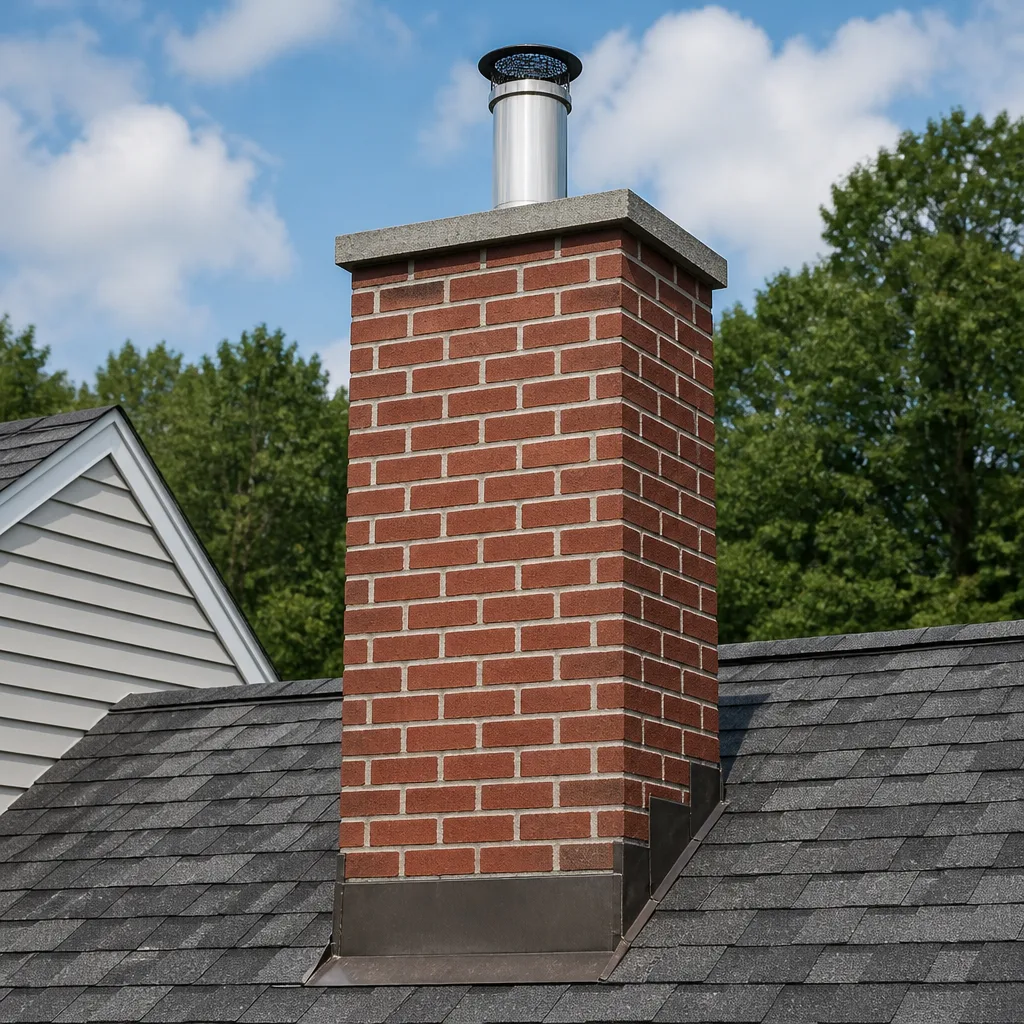
 Flue relining
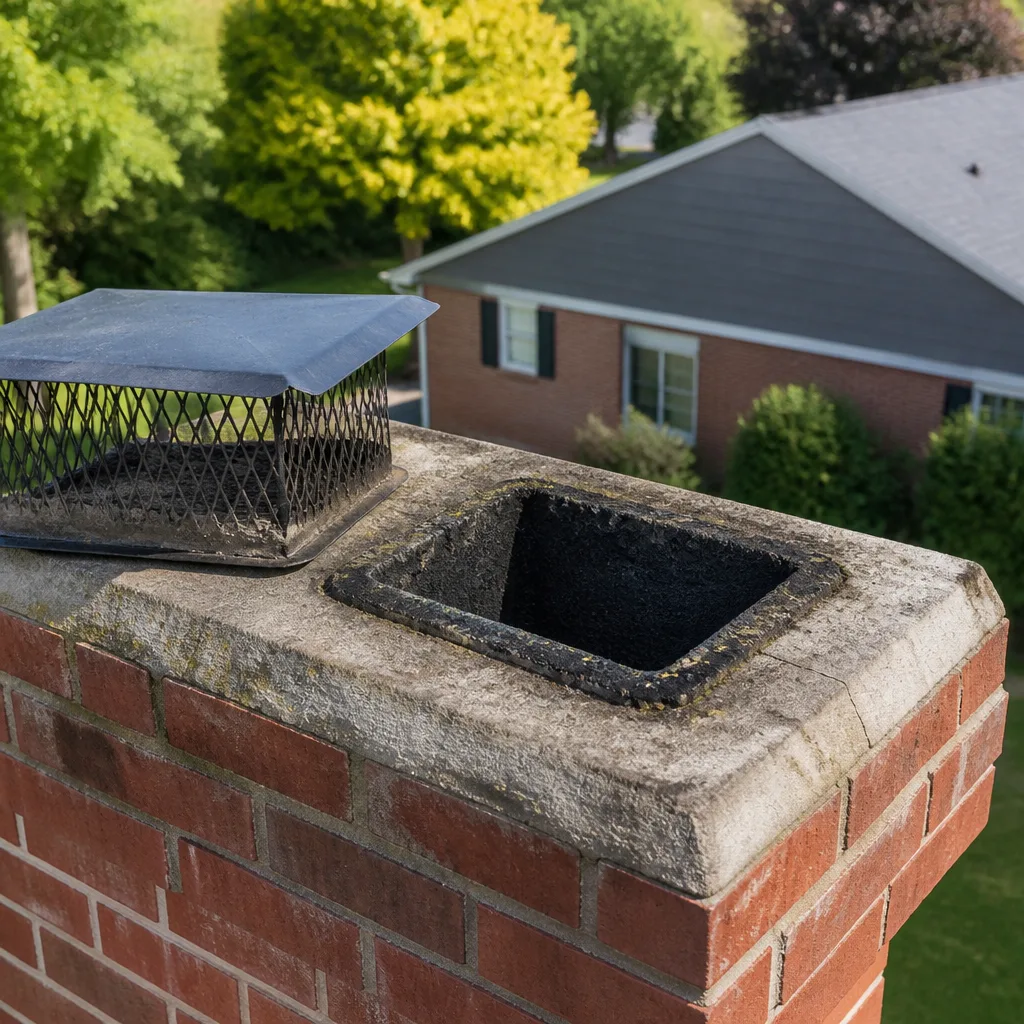 Sweep & inspection
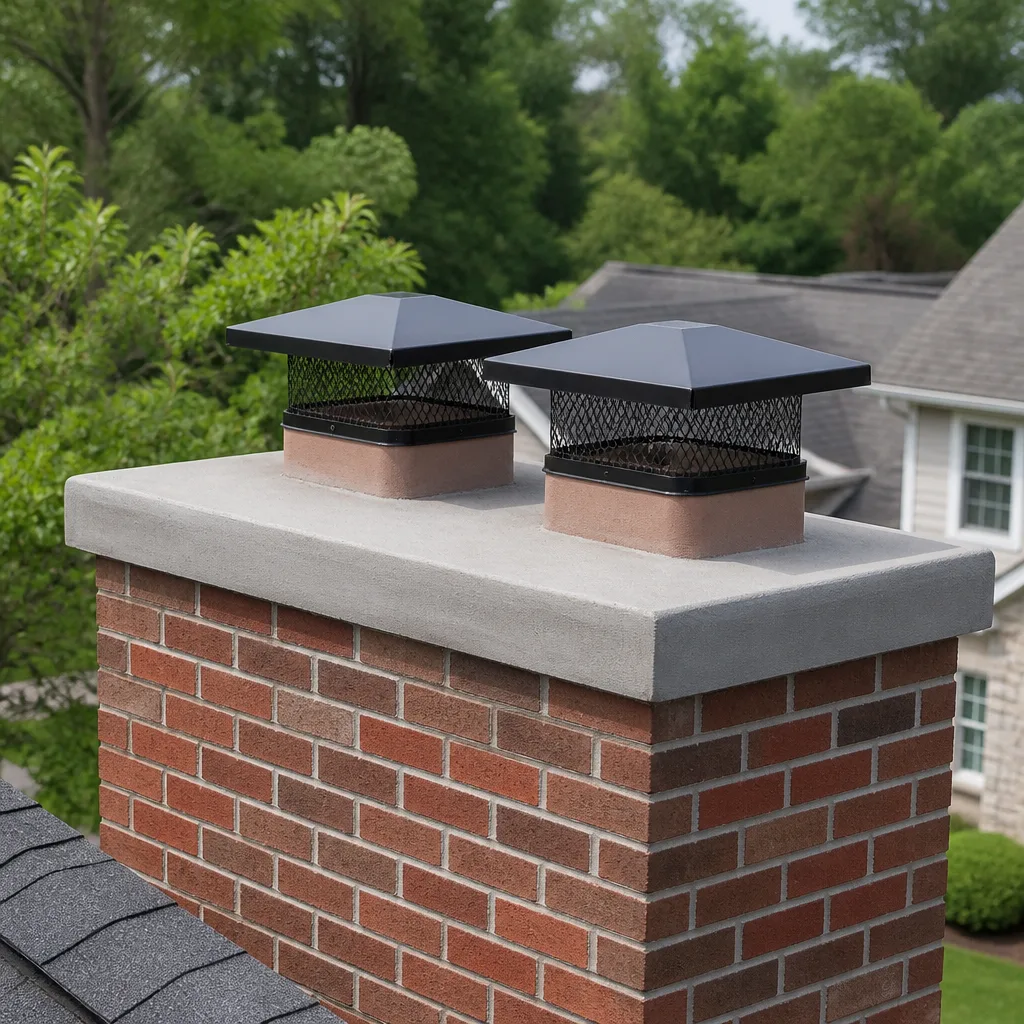 Caps & crowns
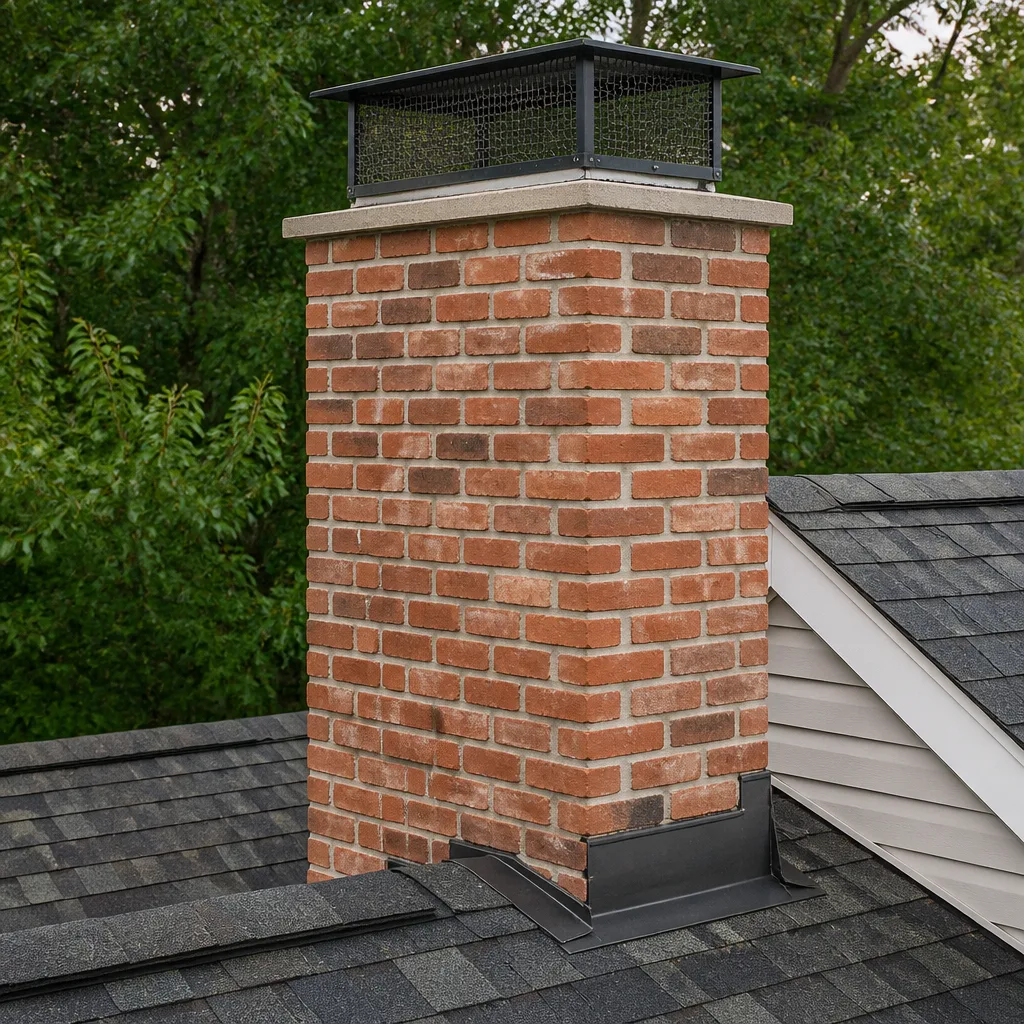 Masonry repair
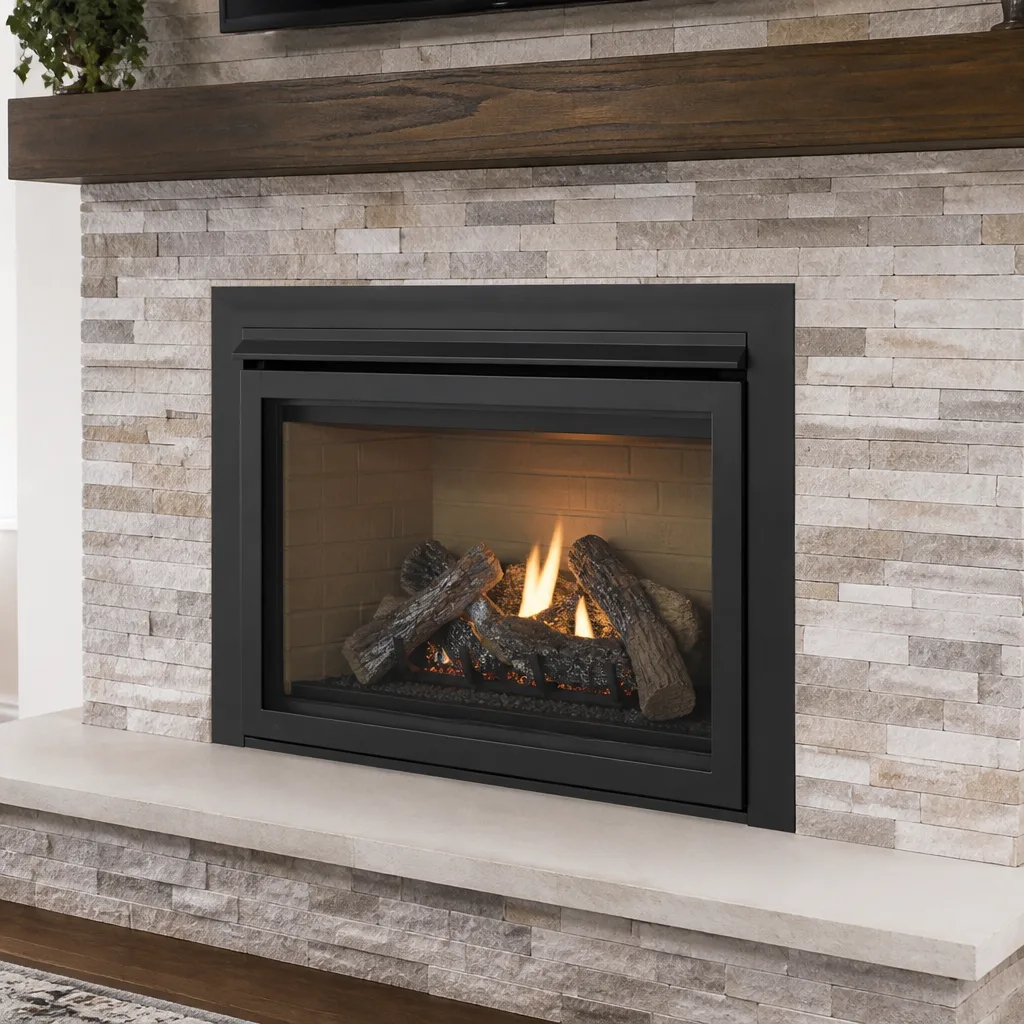 Gas fireplace service
Level 1 sweep and inspection to the NFPA 211 annual standard - flue, crown, cap, and flashing checked and photographed
Chimney sweep logs do not sweep chimneys. They loosen some creosote - which then falls where a brush and vacuum still have to collect it.
DuraFlex Flue Liner Replacement: The Fort Worth Owner’s Guide
DuraFlex flue liner replacement in Fort Worth typically runs $1,800 to $3,400 installed, depending on the length, diameter, and how much of the existing liner has failed. We stock DuraFlex-compatible liner sections and connectors on our trucks, which means most swaps happen the same day we diagnose the problem. Most homeowners discover a failed DuraFlex liner the hard way: a chimney inspection after a smoky fire, a rust stain on the ceiling near the chase, or the distinct smell of fireplace exhaust backing into the living room on a cold night.
We’re an independent chimney service, not a DuraFlex factory branch. That matters because we can tell you honestly when a liner segment can be swapped and when the whole system needs to come out. Cory Mitchell has pulled enough failed liners out of Fort Worth chimneys, from mid-century brick ranches off Camp Bowie to newer builds in Walsh, to know exactly what corrodes first in Texas weather: the inner foil layer at the bottom of the first 36 inches, right where the hot exhaust hits the cold masonry.
Which DuraFlex Models This Applies To
DuraFlex makes three main liner systems we work with regularly: DuraFlex AL (aluminum, for gas and oil appliances), DuraFlex 316 (316L stainless, the workhorse for wood-burning fireplaces and stoves), and DuraFlex 304 (304 stainless, for higher-temperature wood applications). Each series uses a different alloy, and here’s the compatibility gotcha we see in Fort Worth all the time: you cannot patch an AL liner with a 316 section, even if the diameters match. The alloys expand at different rates, the connector profiles don’t line up the same way, and mixing them voids the UL listing. If you have the original installation paperwork, look for the liner model on page one. If not, we read the liner itself: DuraFlex stamps the alloy and diameter on the outer sleeve every few feet, usually visible from the top of the flue during a camera inspection.
On the OEM-versus-aftermarket question: for DuraFlex specifically, we install genuine DuraFlex sections and connectors when a liner is mid-life and only a lower segment has failed. Aftermarket equivalents exist and some are fine, but the corrugation pitch on DuraFlex is specific, and a mismatched connector pitch is exactly how you end up with exhaust leaks six months later. For full replacements on older systems, we’ll quote both genuine DuraFlex and a quality equivalent like Gelco, then let you see the price difference in writing before we order anything.
Styles & brands we work with
Signs Your DuraFlex Flue Liner Replacement Is Failing
- Smoke backing into the room during startup. The liner has a crack, separation, or pinhole, and the draft that should pull exhaust up is instead pushing it back through the firebox opening. This is the symptom that gets us called fastest in Fort Worth, usually on the first sub-40 degree night of the year.
- A rust or drip pattern at the firebox floor after rain. Water is getting past the liner and condenser action is pulling it down into the firebox. The liner’s outer layer has breached, and the inner layer is usually not far behind.
- Flakes of metal or a sand-like grit in the firebox. That’s the inner foil layer of a DuraFlex AL liner delaminating. Once the foil starts shedding, the liner is structurally done. We see this most in furnaces and water heaters that run daily, not in fireplaces that get used ten times a season.
- A sudden change in how the fireplace draws, for better or worse. A partial collapse or a disconnected segment changes the flue volume, and your once-drafty fireplace suddenly pulls too hard or not at all. Draw changes are always worth a camera inspection.
- Visible separation where the liner meets the connector or appliance flue collar. The connection point is the weak point on any flexible liner system, and thermal cycling in Texas weather, which swings from 25 to 75 degrees in a week, works that joint loose over time.
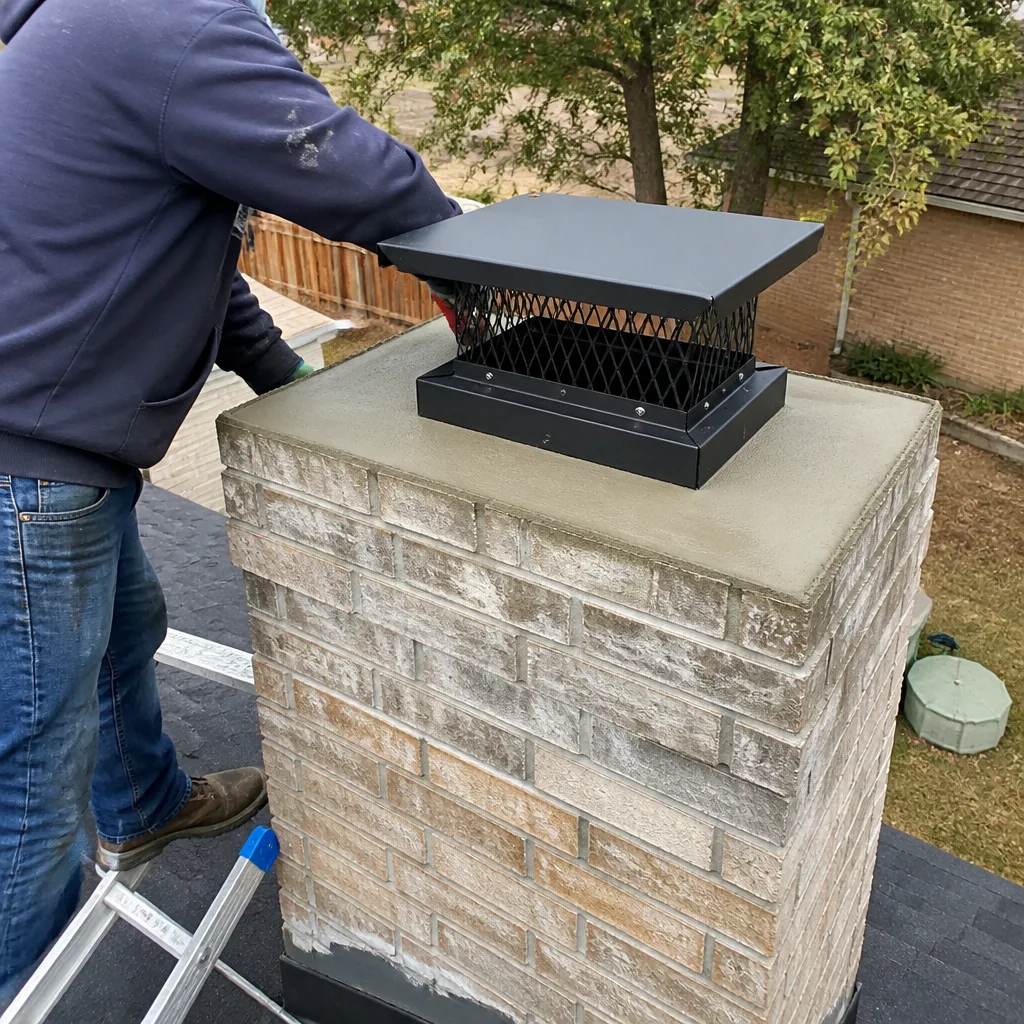
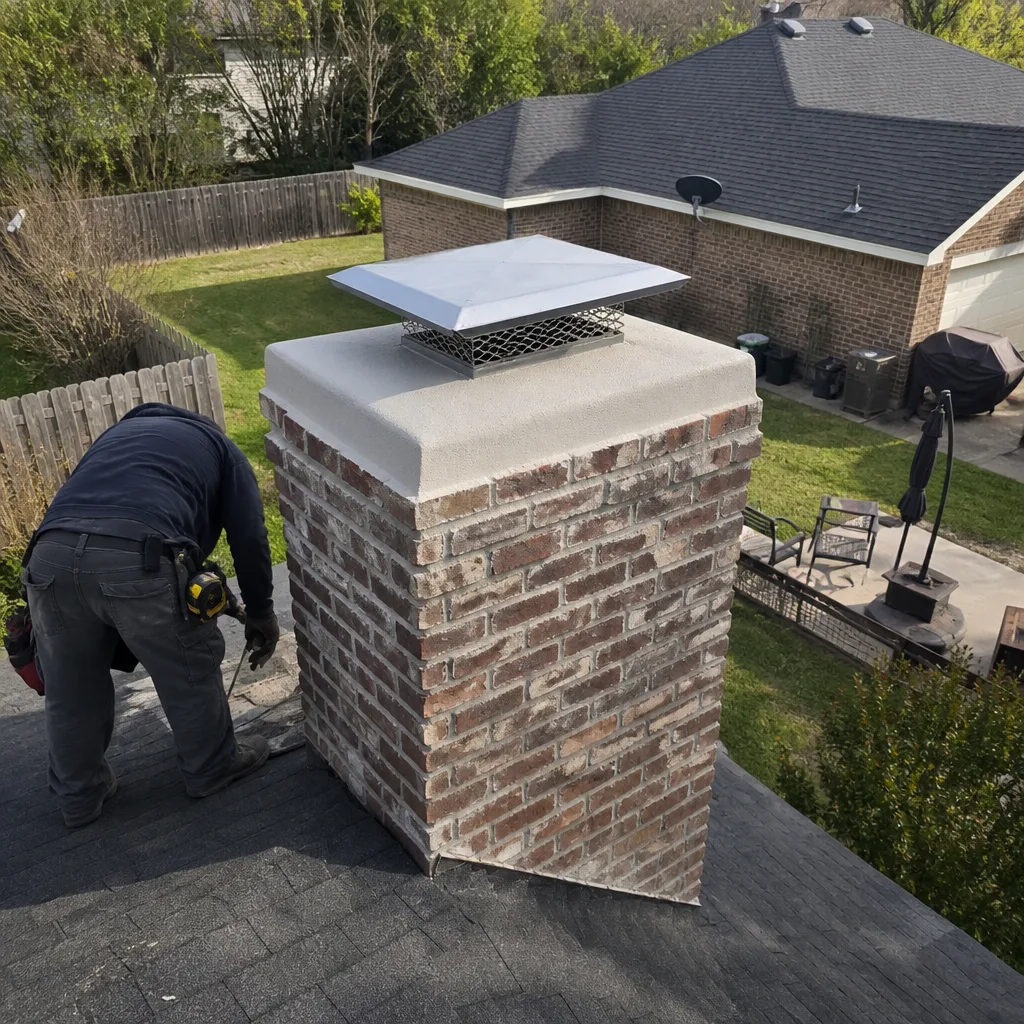
See the difference
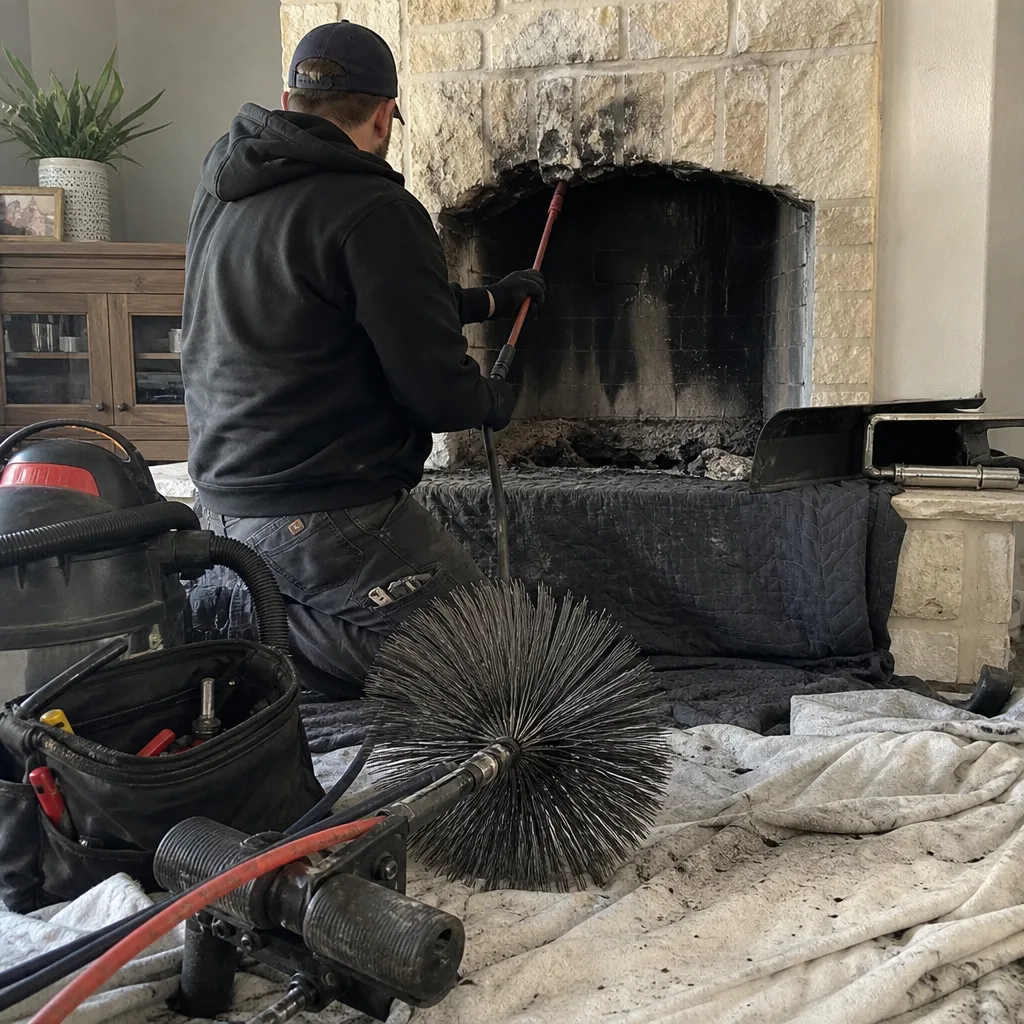 Before
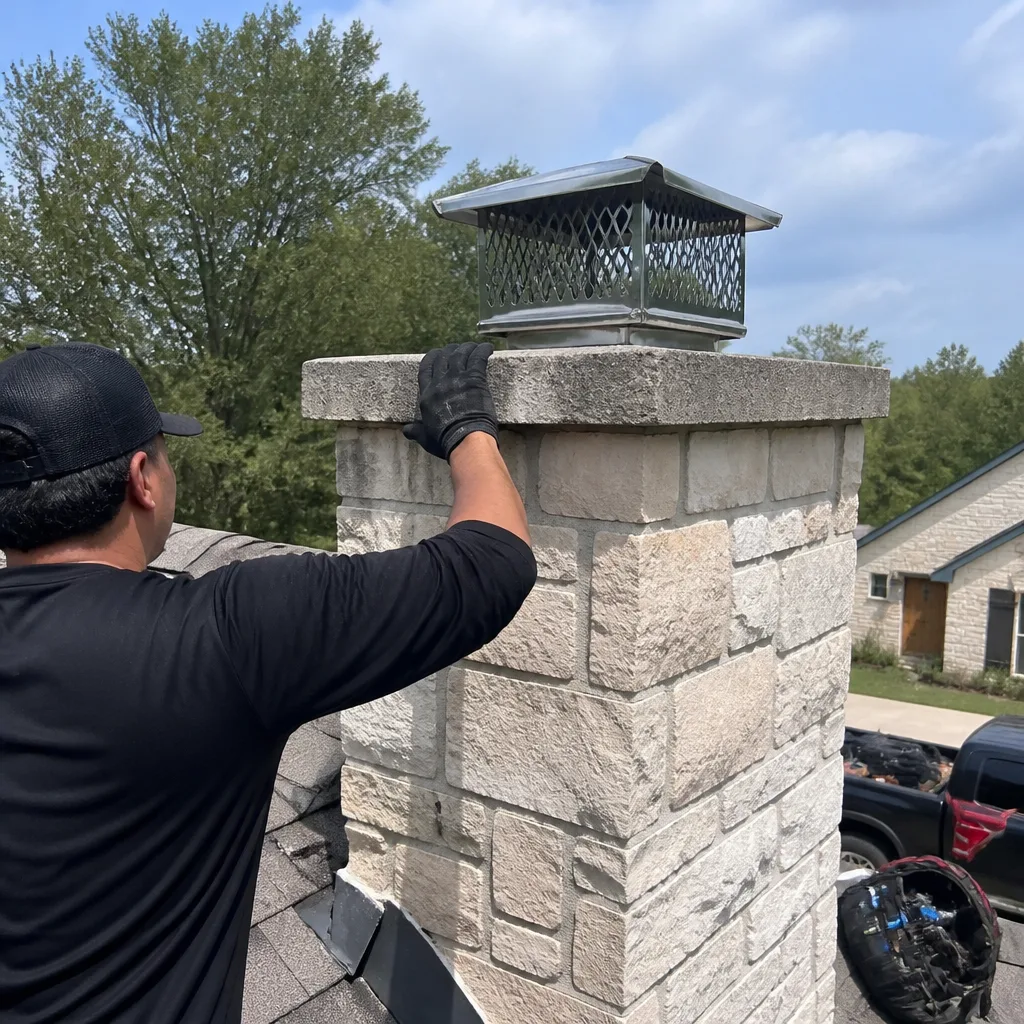 After
After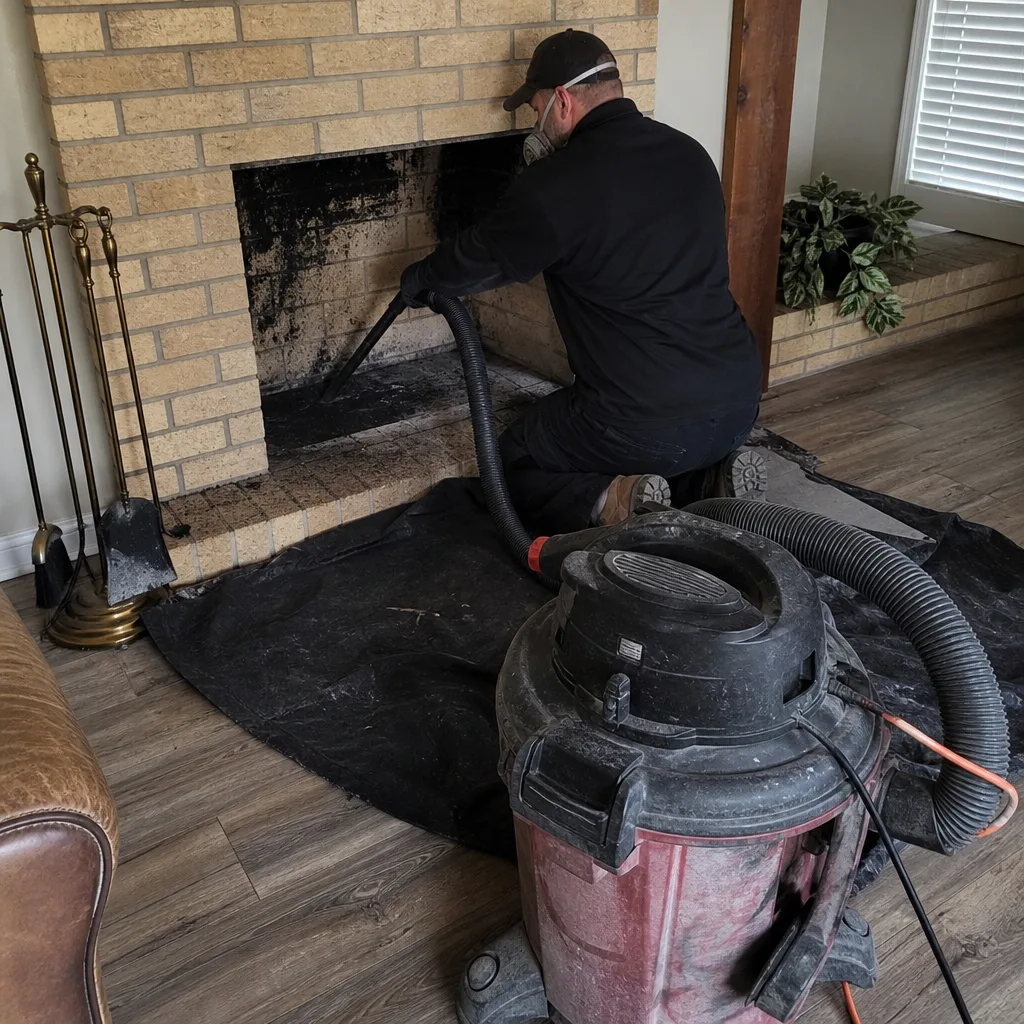 Before
 After
After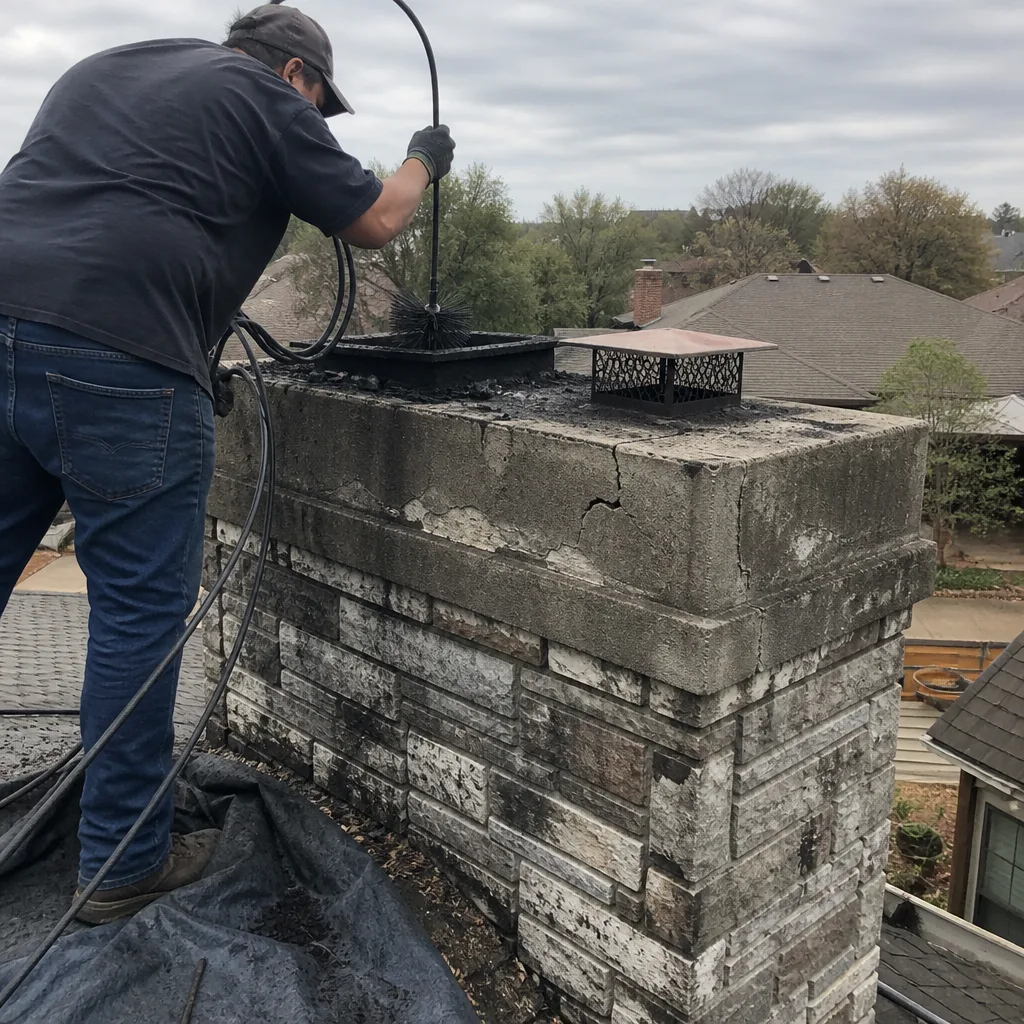 Before
 After
AfterReplacement Cost & What’s Included
In Fort Worth, a partial DuraFlex liner replacement, meaning a failed bottom section swapped with new connectors, runs $1,000 to $1,800. A full liner replacement runs $1,800 to $3,400, and that number moves with three things: overall flue length, liner diameter, and whether the old liner can be extracted from the top or if we need to pull the appliance to access the connection point. Every quote we write separates the parts cost from the labor so you can see exactly what you’re paying for, and the price on that quote is the price you pay. No add-ons at the door.
Here’s what’s included in every DuraFlex replacement we do: a camera inspection before and after (you get the photos in your digital invoice), new connectors and termination cap where needed, a draft test after the job, and our 365-Day Done Right Promise in writing. If the repair fails within a year, we come back and make it right at no charge. That’s not a promo. It’s standing policy since 2003.
DIY or Call Us?
What you can safely do yourself: check for visible flakes at the firebox floor, note whether the smoke smell gets worse with wind direction, and look at the top of the chimney from the ground for any obvious liner sag or cap damage. That’s useful information to share when you call, and it helps us bring the right parts on the first trip.
What you should not DIY: pulling a flexible liner out of a flue is a job that goes wrong in ways you can’t see from the roof. A torn liner, a dropped section jammed in the flue tile, a connector that comes apart halfway down, these are all recoverable for a pro with a winch and a camera, and a genuinely bad day for a homeowner on a ladder. And here’s the safety part we won’t dance around: a failed liner that’s leaking exhaust into a chase or wall cavity isn’t a maintenance item. It’s a carbon monoxide risk. If you suspect your liner has failed, call us at (682) 900-6393 and we’ll get a camera in the flue before we do anything else.
FAQs
In Fort Worth, a DuraFlex 316 liner on a wood-burning fireplace averages 15 to 20 years, while an AL liner on a daily-use gas appliance often fails in 8 to 12 years. The Texas heat accelerates aluminum oxidation, and the constant thermal cycling of our winters, which swing from cold snaps to warm spells, stresses every seam in the system. Call (682) 900-6393 for a camera inspection, which is the only way to know for sure where your liner is in its lifespan.
Yes, a failed bottom section of DuraFlex liner can often be cut out and replaced with new DuraFlex sections and connectors, as long as the remaining liner is still sound and the alloy matches. If the corrosion has spread more than a few feet or the liner is 10-plus years old, a full replacement is usually the smarter money. We’ll show you the camera footage either way and give you both prices in writing before any work starts.
Most partial DuraFlex liner replacements in Fort Worth take 2 to 4 hours, and a full liner replacement can be completed same day in most chimneys. Flues with tight clearances or deteriorated tile liners may add a second visit. We’ll give you a straight time estimate when we quote the job, and you’ll have a tracked arrival window so you’re not waiting around on a guess.
We stock DuraFlex AL and 316 liner sections, connectors, and termination caps on our trucks, along with parts for HeatShield and Gelco systems. That’s what makes same-day replacement realistic for most Fort Worth homes. If your liner is an unusual diameter, we can typically source it within one to two business days.
Written by Cory Mitchell, Owner, Hadley Chimney Fort Worth at Hadley Chimney Fort Worth, serving Fort Worth and nearby areas.