
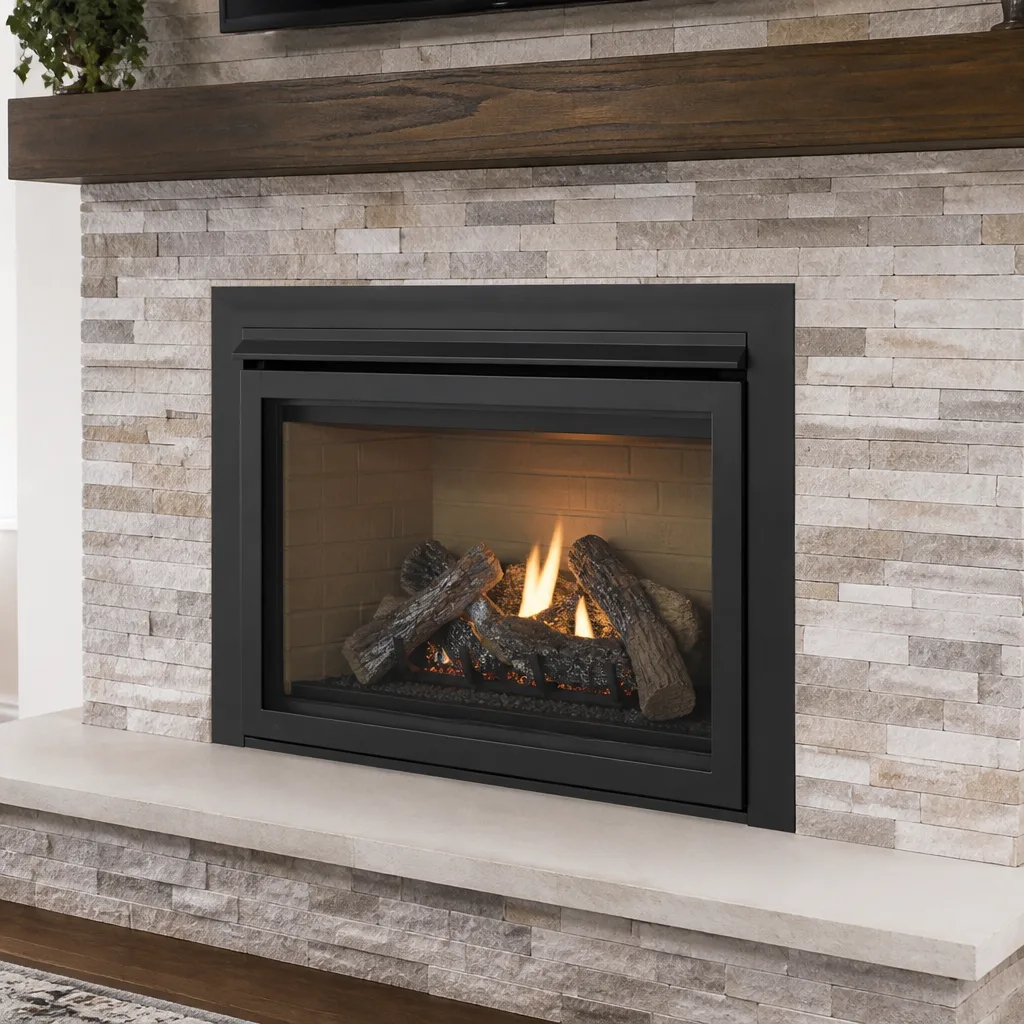
 Gas fireplace service
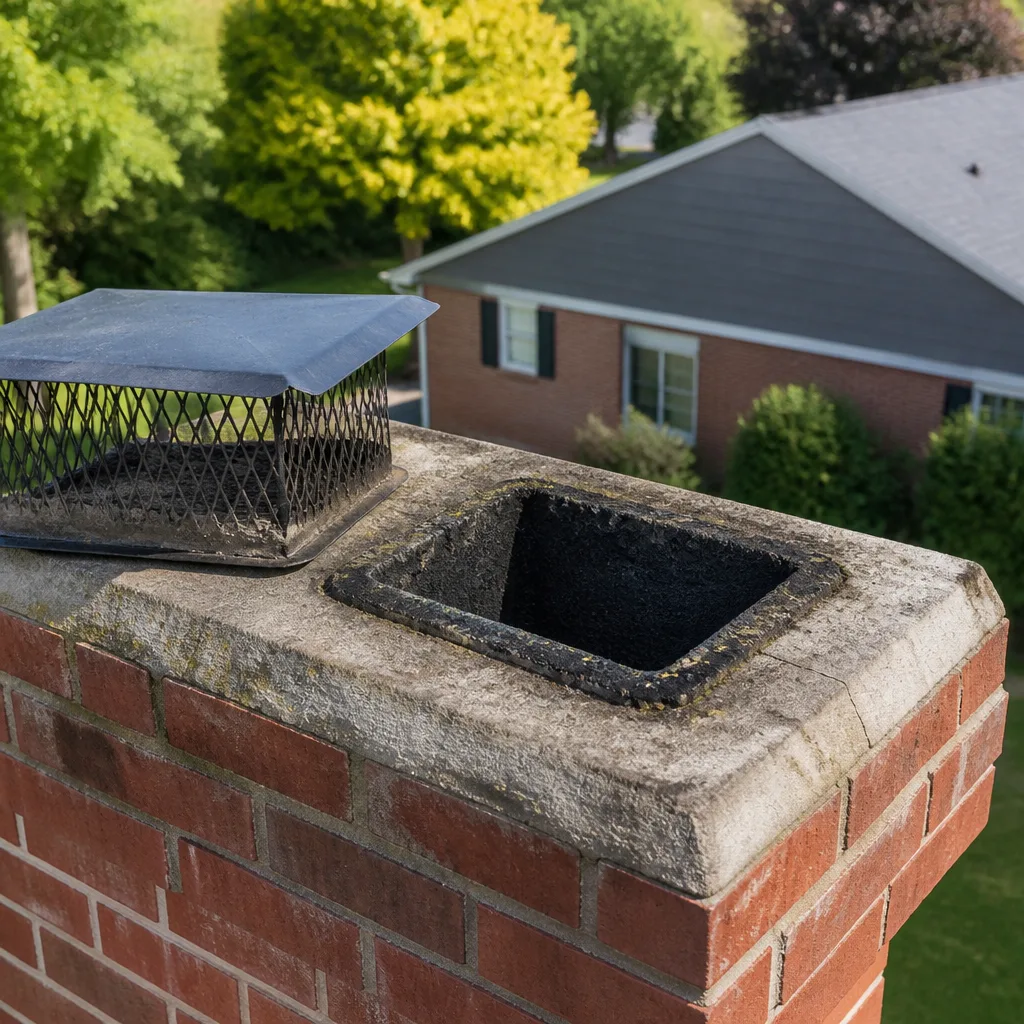 Sweep & inspection
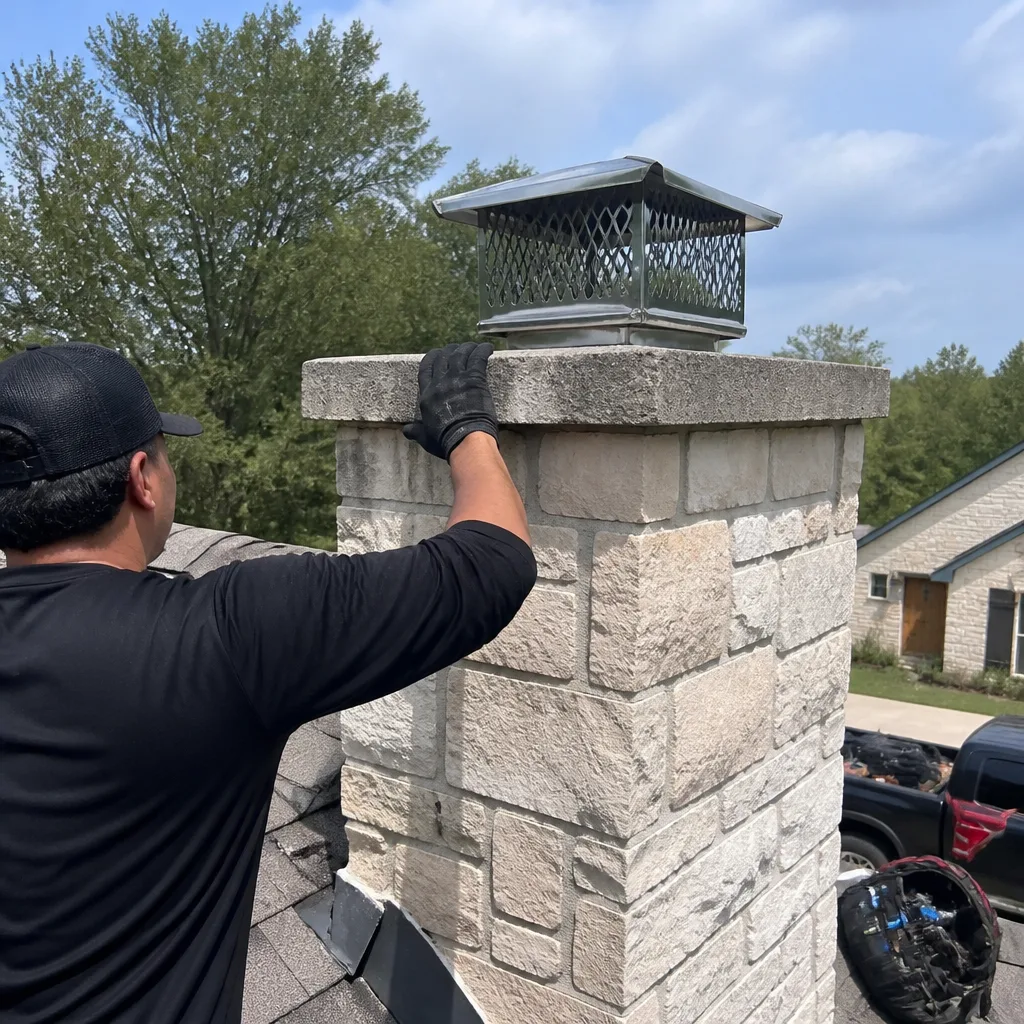
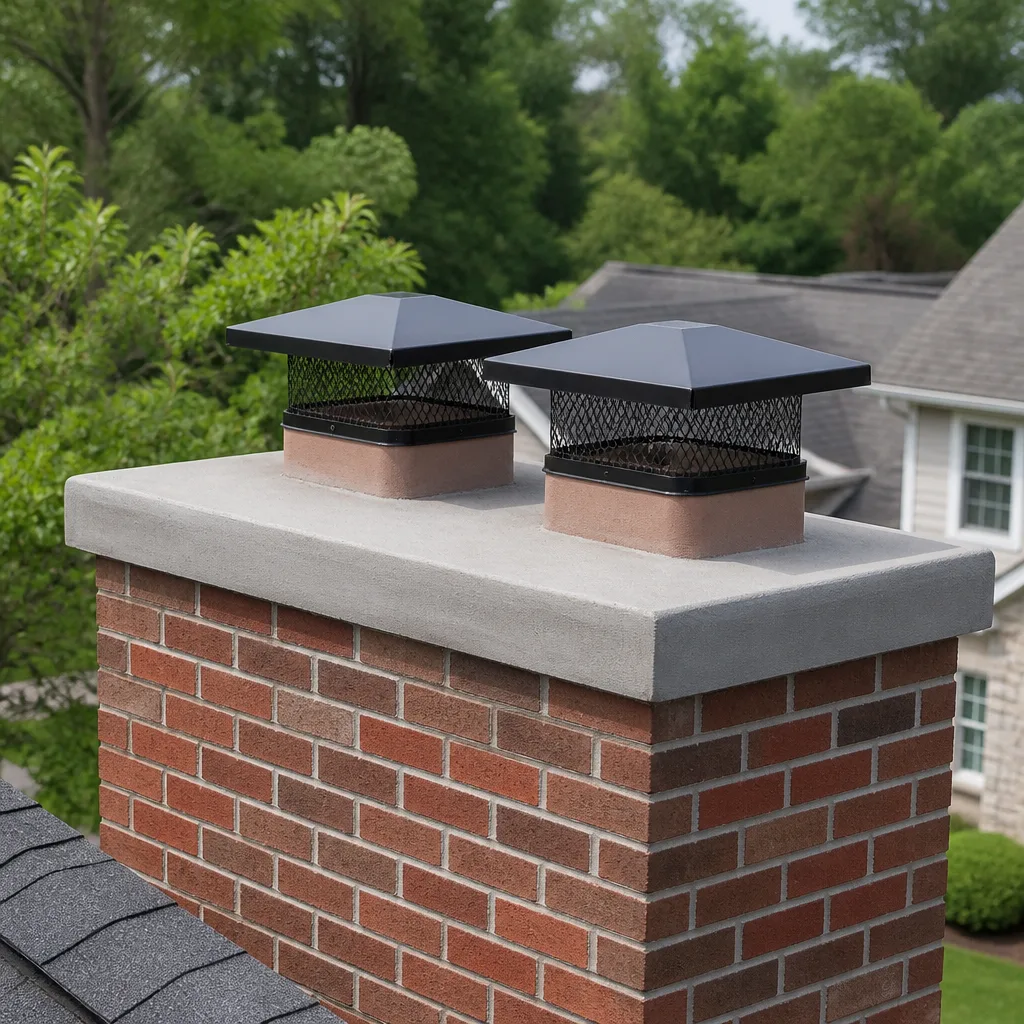 Caps & crowns
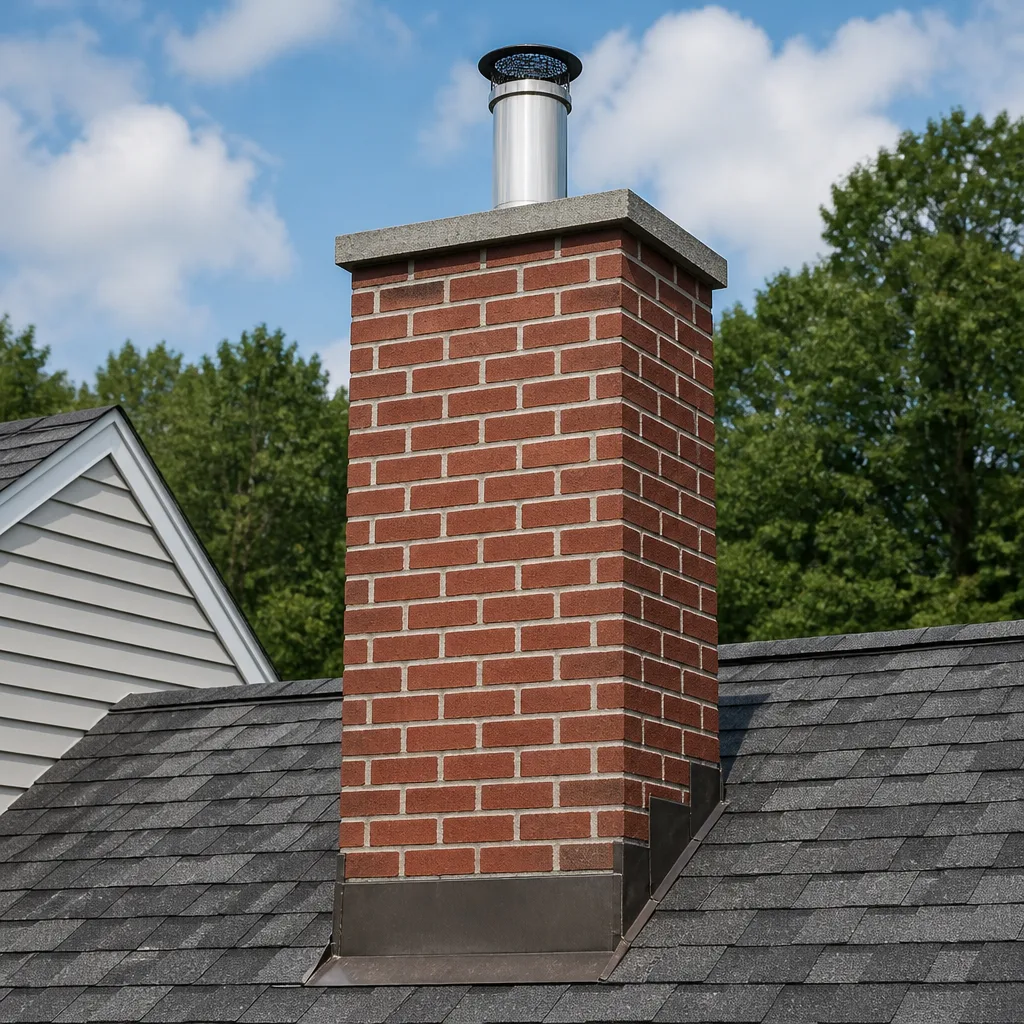 Flue relining
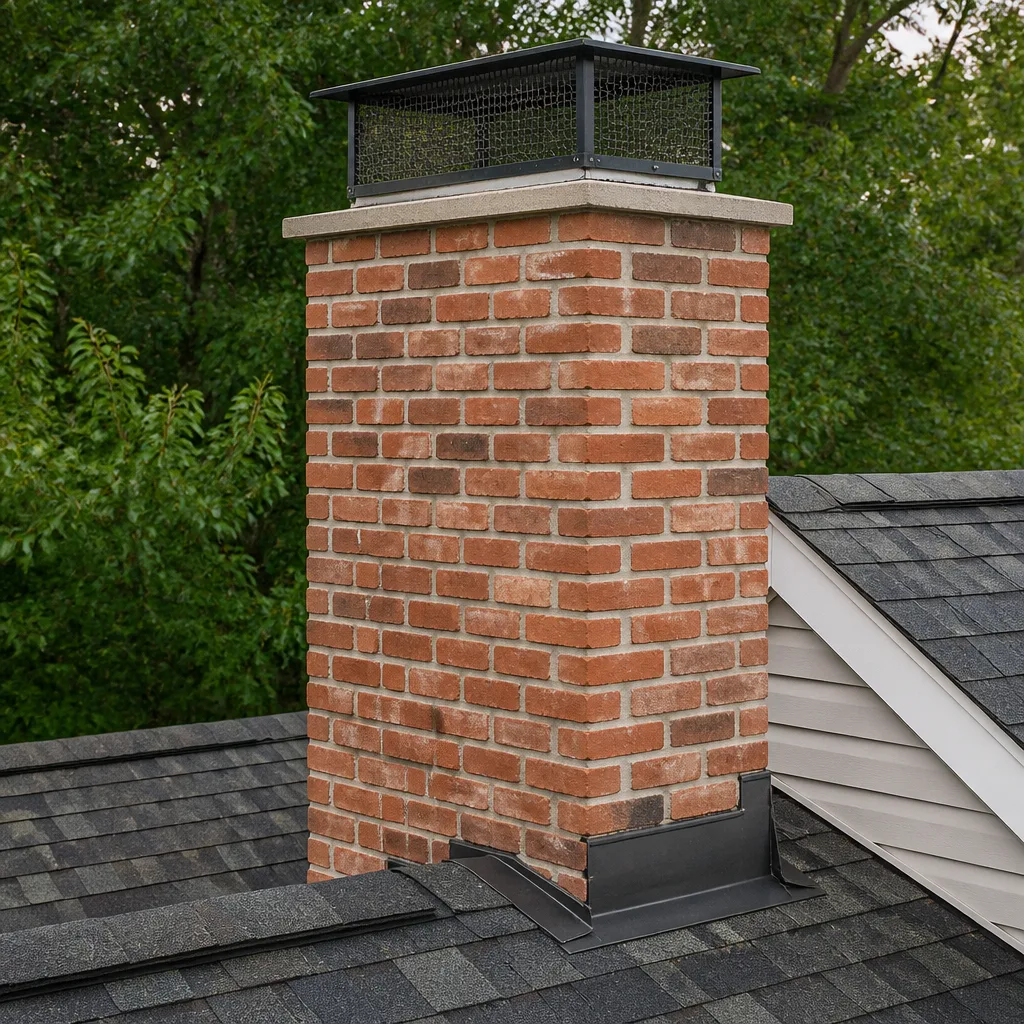 Masonry repair
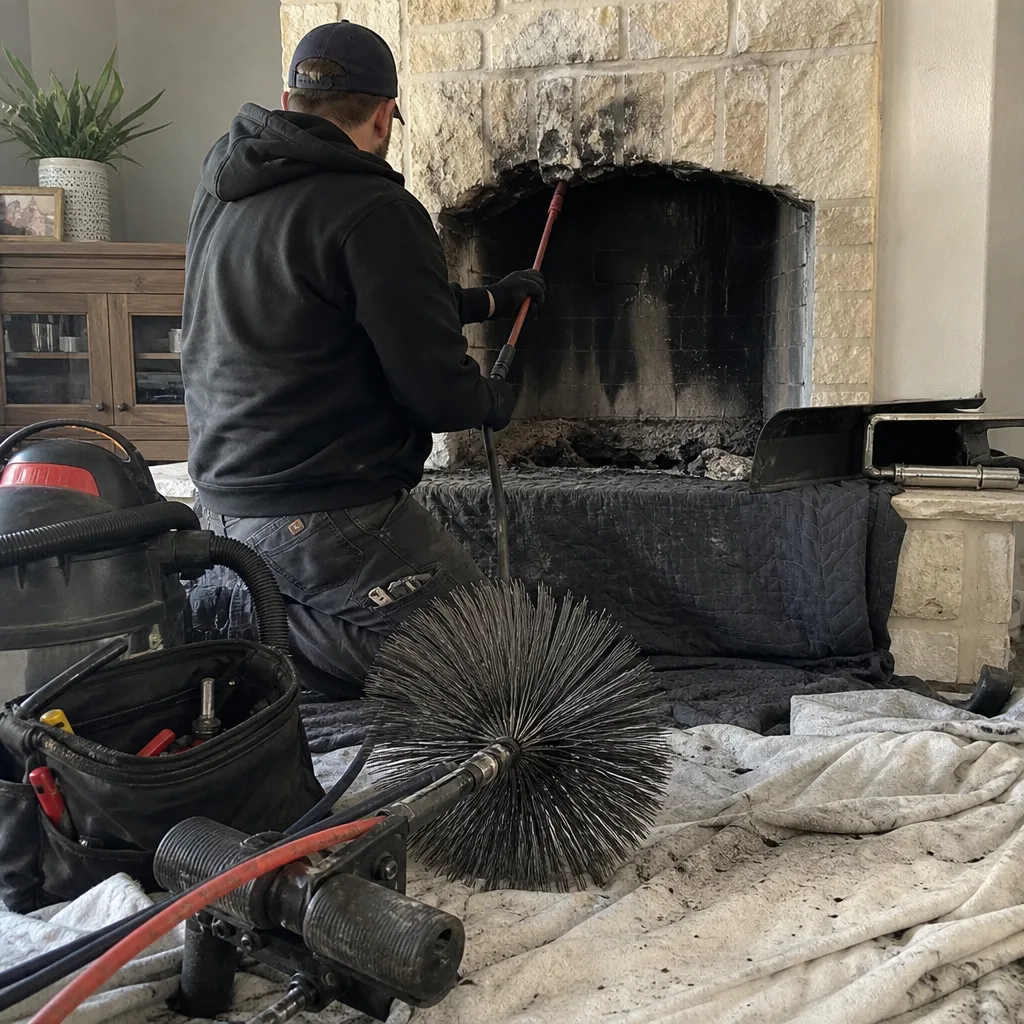
Level 1 sweep and inspection to the NFPA 211 annual standard - flue, crown, cap, and flashing checked and photographed
Chimney sweep logs do not sweep chimneys. They loosen some creosote - which then falls where a brush and vacuum still have to collect it.
Why Fort Worth Homeowners Choose HeatShield Chimney Cleaning
Hadley Chimney Fort Worth provides independent HeatShield chimney cleaning, inspection, and repair across Fort Worth, working with the Cerfractory flue sealant, Joint Repair System, Resurfacing System, and CeCure sleeve relining products. We’re not authorized by HeatShield, and we won’t pretend to be. What we are is a local crew that sees how these liners actually perform under North Texas creosote loads, clay-soil foundation movement, and freeze-thaw cycles, and that hands-on failure data shapes every repair we recommend. If you have a HeatShield system and want a straight answer about what’s going on inside your flue, call (682) 900-6393.
Why Trust Hadley Chimney Fort Worth for Your HeatShield Chimney Cleaning?
HeatShield products have specific chemistry. Cerfractory is a ceramic-modified cementitious compound mixed and cured to exact tolerances. CeCure sleeves are factory-molded. Get the cleaning method wrong, and you can gouge the surface or knock a joint repair loose. Get the diagnosis wrong, and you’re recoating a flue that actually has a structural crack behind it. Our crews work with these materials every week, so we know the difference between surface creosote glaze that needs a poly brush and a debonded joint that needs mortar work.
Cory Mitchell, the owner behind Hadley Chimney Fort Worth, picked up his trade fundamentals at Los Angeles Trade-Technical College and has spent the better part of two decades inside fireboxes and flue systems across the country. He and the crew have worked chimneys throughout Fort Worth, from older homes near the TCU campus to newer builds pushing out toward Keller and the edges of town. That range of housing stock means we’ve seen how HeatShield performs in 1960s masonry chimneys with clay tile liners and in newer prefab fireboxes alike. Cory’s approach is simple: he explains what he finds in plain language before anyone picks up a brush. As he puts it, “I’d rather show you a photo of the problem than hand you a bill you don’t understand.”
Styles & brands we work with
Common HeatShield Chimney Cleaning Problems We Fix in Fort Worth
- Hairline cracks in Cerfractory coatings from rapid thermal cycling. Gas fireplaces in Fort Worth run hot, then cool fast when the burner shuts off. Over repeated cycles, the Cerfractory coating can develop hairline stress cracks. What worries us is when those cracks let flue gases seep into wall cavities, because carbon monoxide doesn’t announce itself. This is exactly why we recommend a Level 2 camera inspection when a homeowner reports a faint gas odor near the fireplace chase.
- Debonding of HeatShield joint repair mortar at flue tile joints. We see this most often in wood-burning fireplaces where the owner burned green or unseasoned wood. The cooler, smokier fire deposits wet creosote at the tile joints, and the repeated high-heat cycles eventually separate the mortar from the clay tile. In Fort Worth’s older brick chimneys, this is compounded by clay soil heaving the foundation and shifting the tile stack slightly. What looks like a dirty flue is sometimes a structural issue that a sweep alone won’t fix.
- Erosion of the CeCure sleeve surface from aggressive rotary sweeping. A CeCure sleeve is ceramic, but it’s not indestructible. Steel-bristle rotary brushes can scour the surface and leave rough patches that trap creosote faster than the original smooth finish. We use poly brushes or gentler methods on CeCure-lined flues for exactly that reason. If a previous company chewed up the surface, we can document the damage and talk through whether a resurfacing or targeted repair makes sense.
- Water intrusion behind the resurfacing layer from a poorly sealed crown. This one shows up as spalling brick on the exterior chimney, usually starting near the top. When the original HeatShield installation didn’t include a proper crown seal, North Texas rain gets behind the resurfacing layer and freezes during cold snaps. The freeze-thaw cycle pushes the material away from the substrate. By the time a homeowner calls us, they’re often seeing brick flakes on the ground below the chimney. Fixing the liner won’t stop this. The crown has to be addressed.
- Creosote hardening during long Fort Worth summers. Fort Worth’s hot, humid summers mean fireplaces sit unused for months. Creosote that would be soft and brushable in January bakes hard during a 100-degree July. When fall arrives and the first cold front pushes through, folks light a fire and discover the flue is coated with a glassy, stuck-on layer. That hardened creosote is the hardest to remove and the riskiest to burn through. Seasonal cleaning before the first fire is cheaper than the alternative.
HeatShield Parts & Our Repair-vs-Replace Approach
For anything that touches the flue system itself, we use genuine HeatShield materials. Cerfractory and CeCure are mixed, molded, and cured to precise specifications, and no aftermarket substitute we’ve tested bonds or expands the same way. The risk with a knockoff compound is delamination, and a delaminated patch inside a flue is a carbon monoxide pathway waiting to happen. We won’t put that in your chimney.
For surrounding components like caps, dampers, and flashing, we use quality aftermarket parts that meet local fire-safety standards. There’s no reason to pay a brand premium for a chimney cap. But before we start any HeatShield project, we give you a written repair-vs-replace cost comparison. If a sleeve is heavily eroded or a joint repair has failed across multiple tiles, recoating the whole flue might actually be cheaper than chasing patches for the next five years. We’ll show you numbers and let you decide. Call (682) 900-6393 and we’ll walk you through it.
Our HeatShield Service Process – Step by Step
- 1
Diagnosis with Level 2 camera inspection. We run a camera through the flue and look at every tile joint, the smoke shelf, and the crown area. For HeatShield systems, we’re specifically checking for hairline cracks in the Cerfractory, debonded joint mortar, and sleeve erosion. You get the photos, not just a verbal summary.
- 2
Creosote removal matched to the liner type. CeCure sleeves get poly brushes or gentler methods. Cerfractory coatings get a method that won’t scour the surface. The goal is clean flue walls without scratching the protective layer you already paid for.
- 3
Targeted repair or resurfacing. If we find joint mortar that’s debonded, we apply HeatShield joint repair material in thin lifts, not one thick gob. Cerfractory recoating follows the manufacturer’s mixing and curing specs. No shortcuts.
- 4
Cure time verification. HeatShield materials need proper curing before they see fire. We check moisture levels and ambient temperature before we call it done. Fort Worth’s humidity can slow cure times, and rushing this step ruins the repair.
- 5
Warranty documentation. Every repair gets a written guarantee with a 365-Day Done Right Promise. If the repair fails within that window, we return and make it right. Free second visit, not an upsell.
See the difference
 Before
 After
After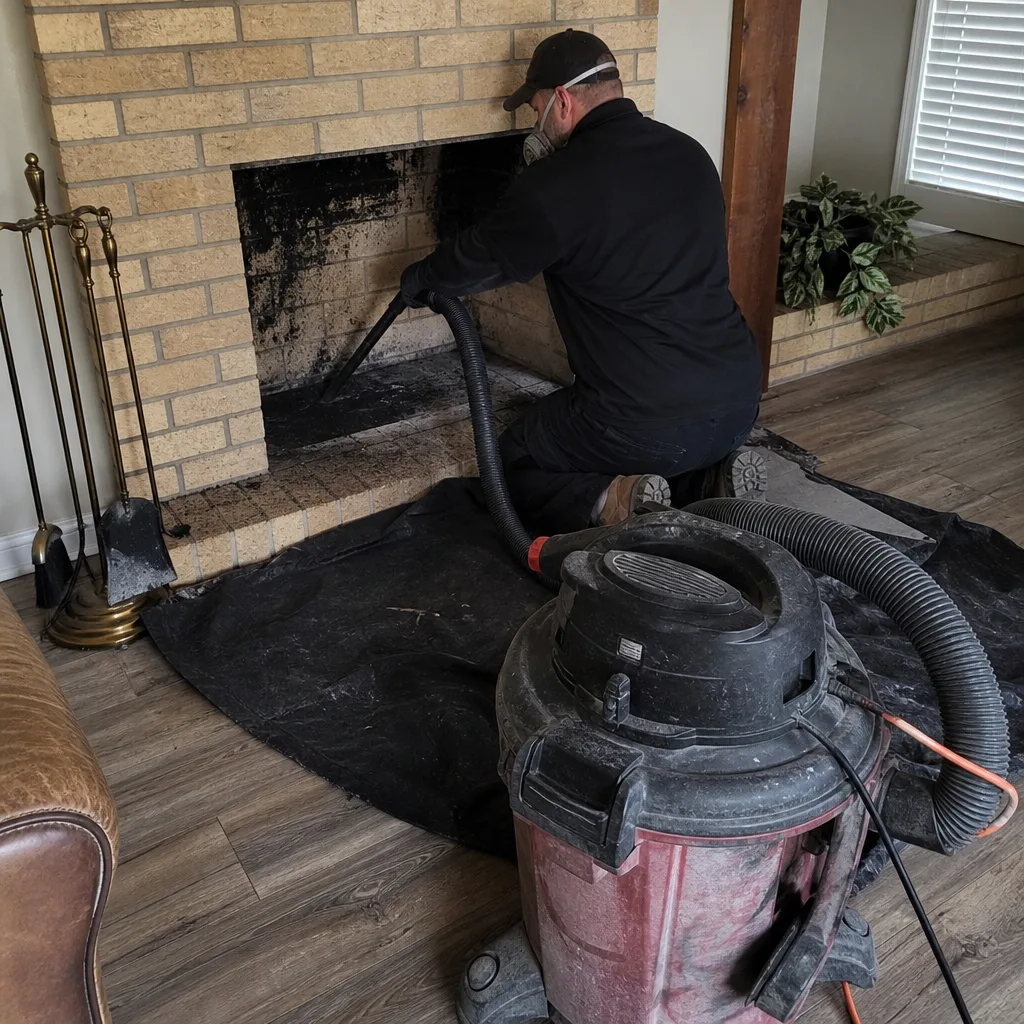 Before
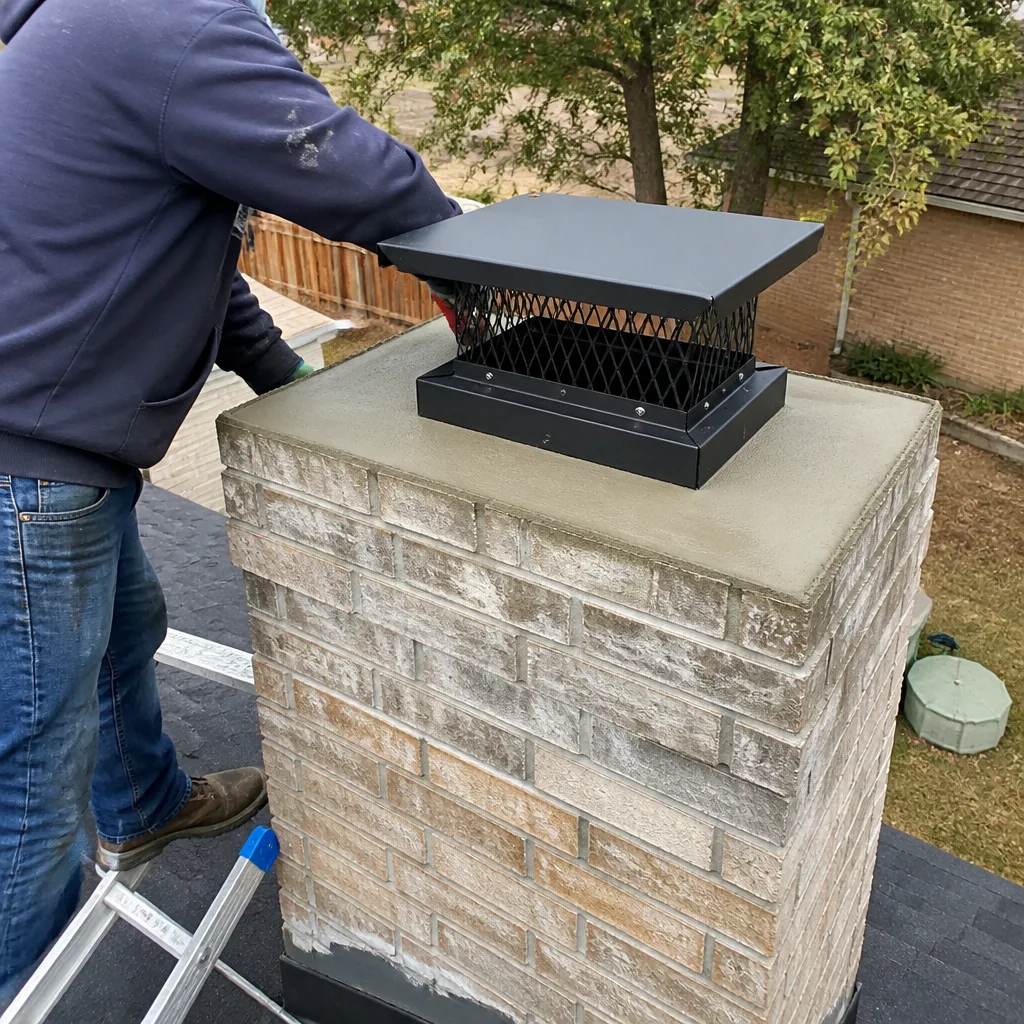 After
After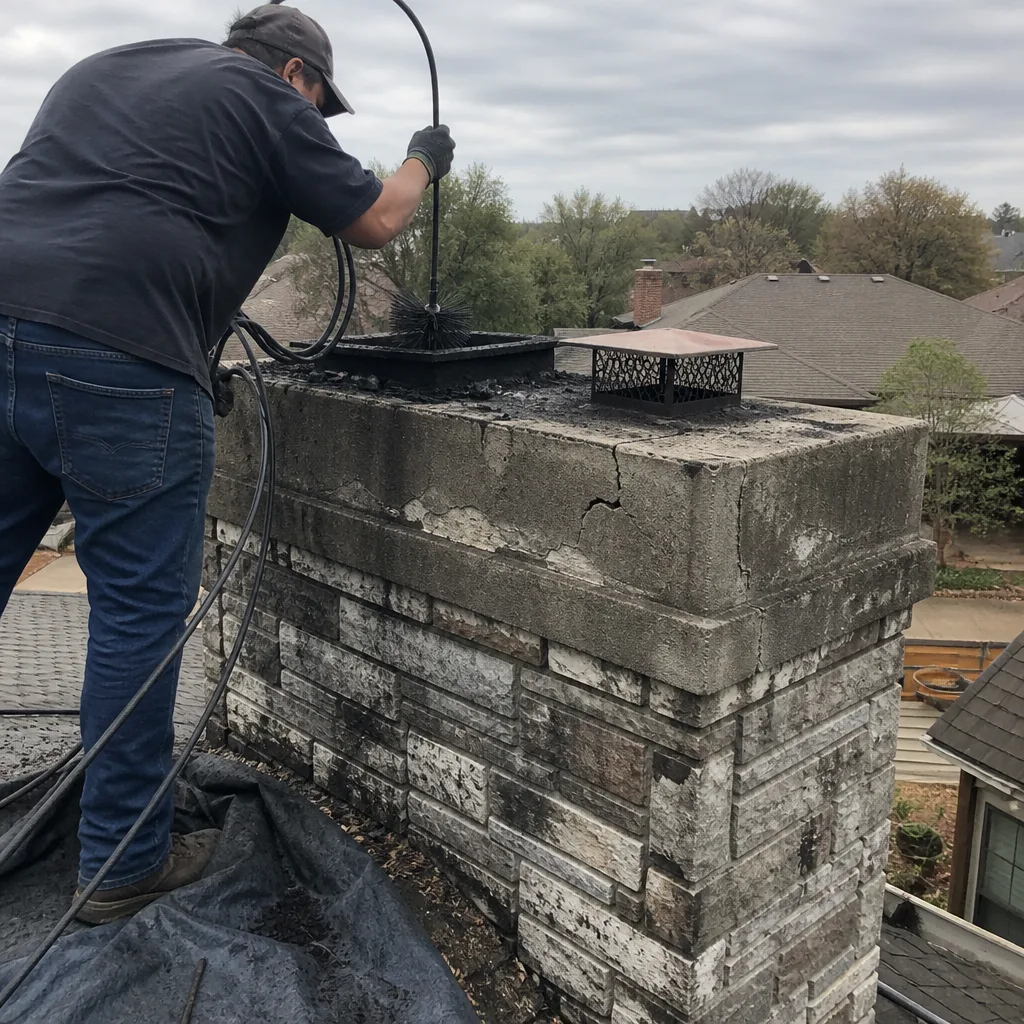 Before
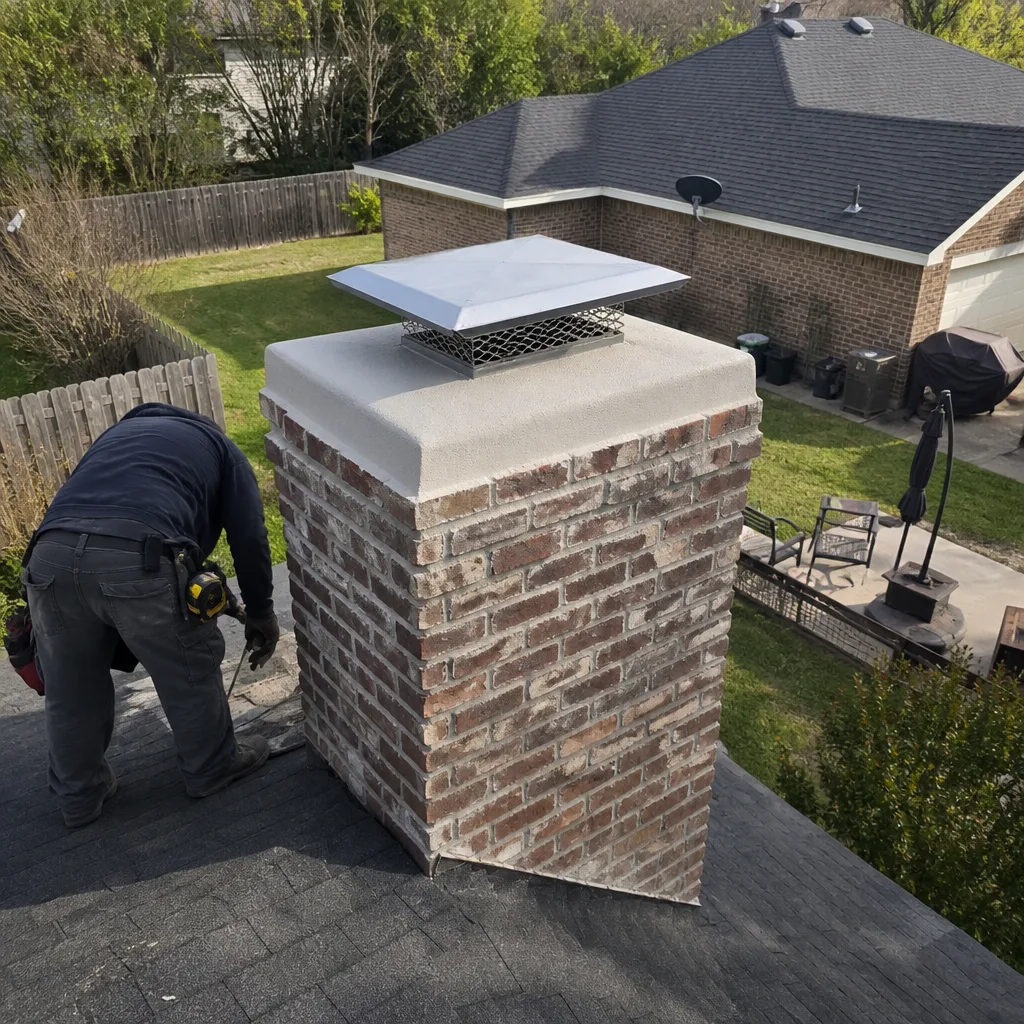 After
AfterHeatShield Products We Service & Install in Fort Worth
We work with all four main HeatShield product lines: the Cerfractory Flue Sealant for coating masonry and metal flues, the Joint Repair System for sealing gaps at clay tile joints, the Resurfacing System for restoring deteriorated flue walls, and the CeCure Sleeve Relining System for full relining jobs. We keep joint repair mortar and Cerfractory compound stocked locally for common repair jobs, which means faster turnaround when we diagnose a crack that needs attention before the next cold front. Mansfield Heatshield service and Fort Worth’s climate don’t wait, and neither should your flue.
We Also Service These Brands
HeatShield isn’t the only liner system we work with in Fort Worth. We regularly install and repair DuraFlex flexible liner systems, especially in prefab fireplaces and tight flue configurations, and we service Gelco chimney components where the original build specifies them. If you’re not sure what’s in your flue, we’ll tell you during the inspection.
FAQs – HeatShield Chimney Cleaning Service in Fort Worth
It can, yes. A CeCure sleeve has a ceramic surface that holds up well to normal use but scratches under aggressive steel-bristle rotary sweeping. Those scratches create rough patches that collect creosote faster than the original surface. We use poly brushes and gentler methods on CeCure-lined flues, and we recommend you ask any sweep what method they’re using before they start.
Small, isolated cracks can often be patched with HeatShield joint repair mortar applied in thin lifts. But if the coating is cracked across multiple areas, or if the underlying clay tile has shifted due to Fort Worth’s clay soil movement, a patch will keep failing. We’ll show you the camera footage so you can see the extent of the damage before you decide. Call (682) 900-6393 for a free estimate, and we’ll walk you through what the scan shows.
HeatShield materials need proper curing time before they’re exposed to heat. In Fort Worth’s humid conditions, that’s typically 48 hours, but we verify moisture levels before we sign off. Lighting a fire too soon can crack the fresh repair and send you back to square one. We’ll give you a clear timeline after the work is done.
Not necessarily. If the draft is adequate, smoke backing up into the room usually points to something else: a clogged smoke shelf, a damper that isn’t opening fully, or negative air pressure in a tightly sealed Fort Worth home. A new liner won’t fix those. We’ll diagnose the actual cause before recommending any HeatShield work, because selling you a liner you don’t need isn’t how we operate.
HeatShield is durable, but it’s not maintenance-free. Fort Worth’s freeze-thaw cycles, clay soil movement, and summer creosote hardening all put stress on any liner system over time. Annual Chimney Sweep services and visual checks catch small issues before they become big ones. We recommend scheduling every year, and a camera inspection every two to three years if you burn regularly. Call (682) 900-6393 and we’ll get you scheduled.
Chimney cleaning with a HeatShield system in Fort Worth typically runs $200 – $400 depending on flue height, creosote condition, and whether a camera inspection is added. Level 2 inspections with video documentation run $150 – $300 as a standalone service. If we find damage during the sweep, we’ll give you a written repair quote before any additional work starts. For an exact number, call (682) 900-6393 and we’ll give you a free estimate.
Book Your HeatShield Service in Fort Worth, TX
If you have a HeatShield system in Fort Worth and want it inspected, cleaned, or repaired by a crew that works with these materials every week, call (682) 900-6393. A live person answers, 24/7. We’ll get you booked and give you a written price before any work begins.
Written by Cory Mitchell, Owner at Hadley Chimney Fort Worth, serving Fort Worth since 2003.