
Last updated October 15, 2026
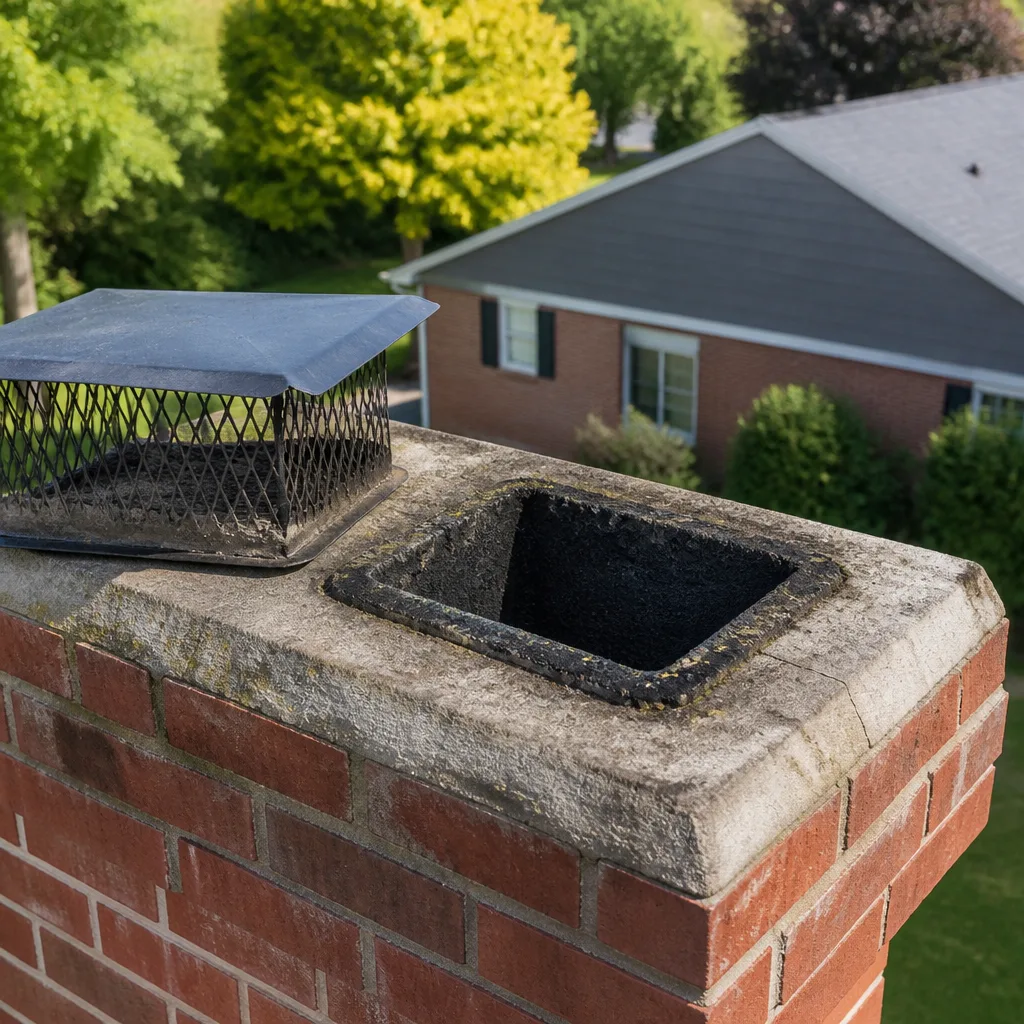 Sweep & inspection
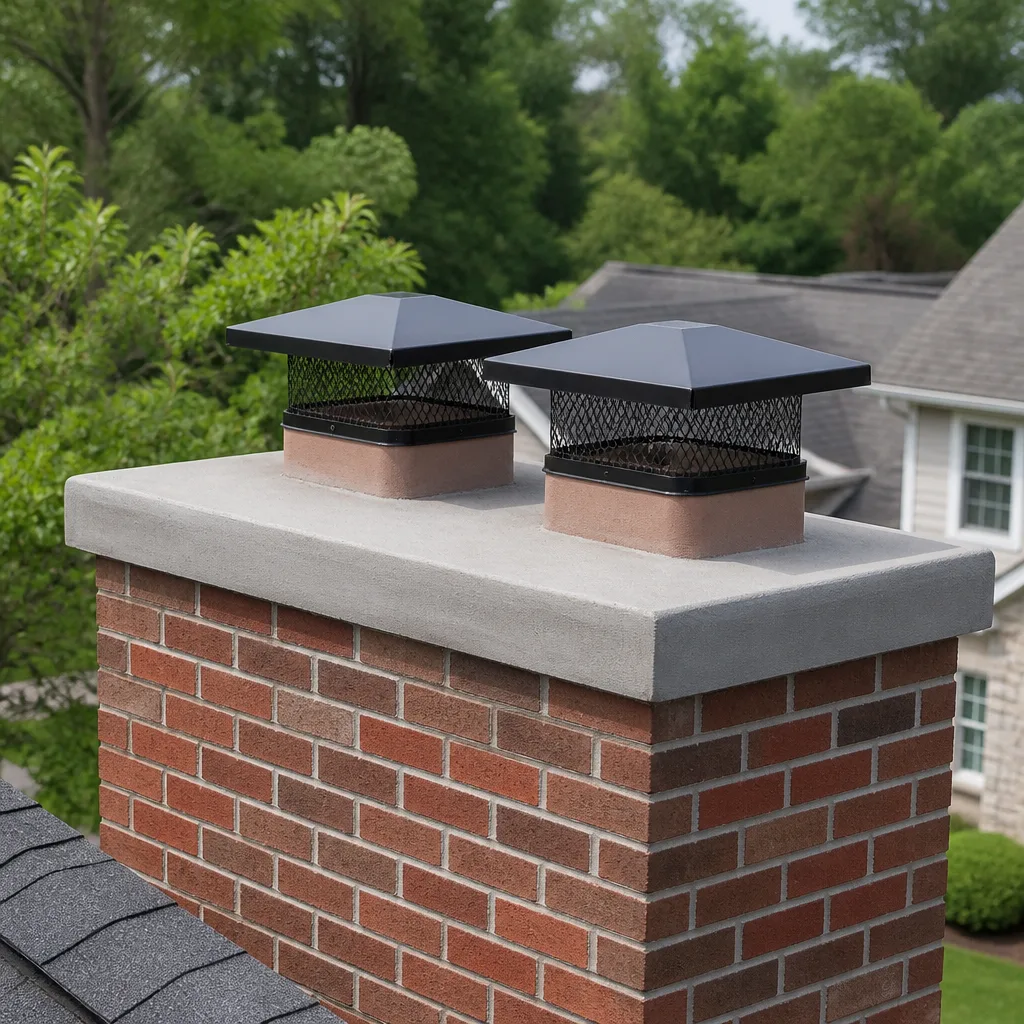 Caps & crowns
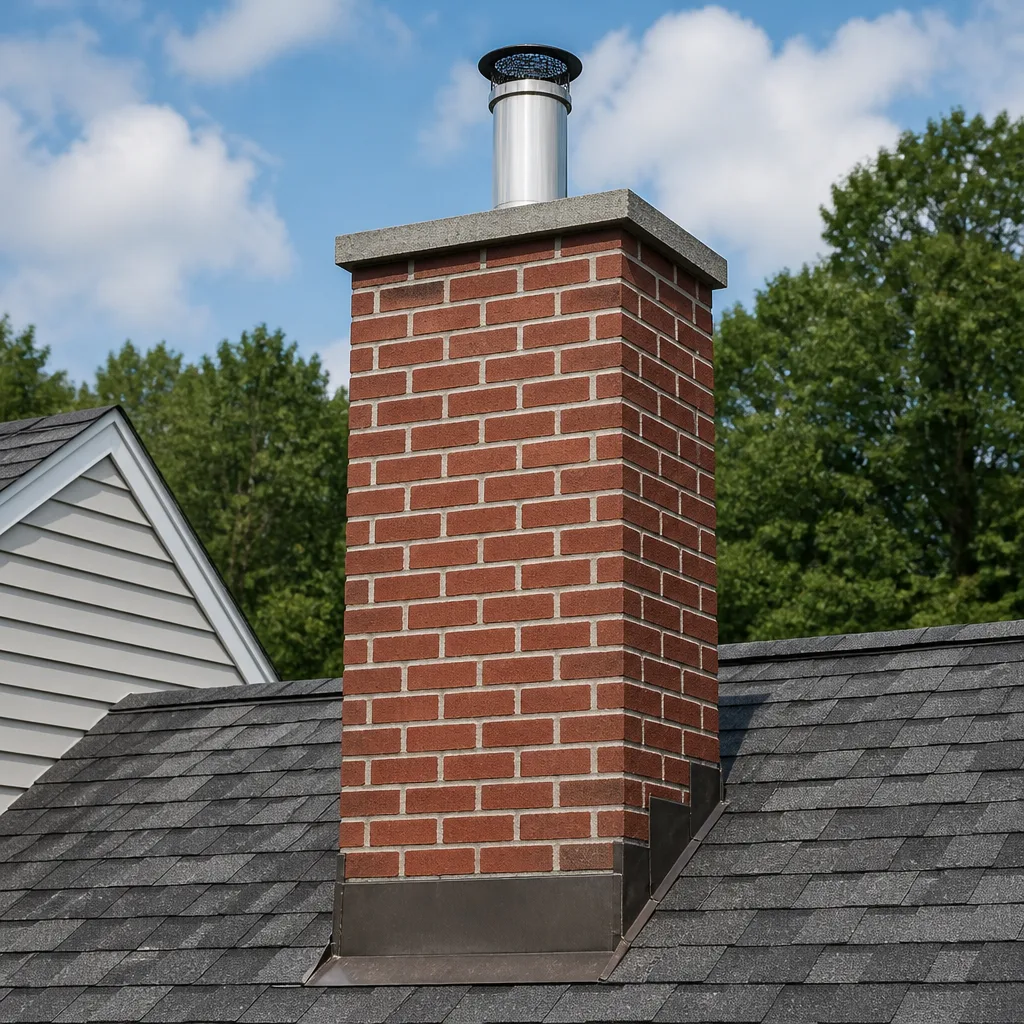 Flue relining
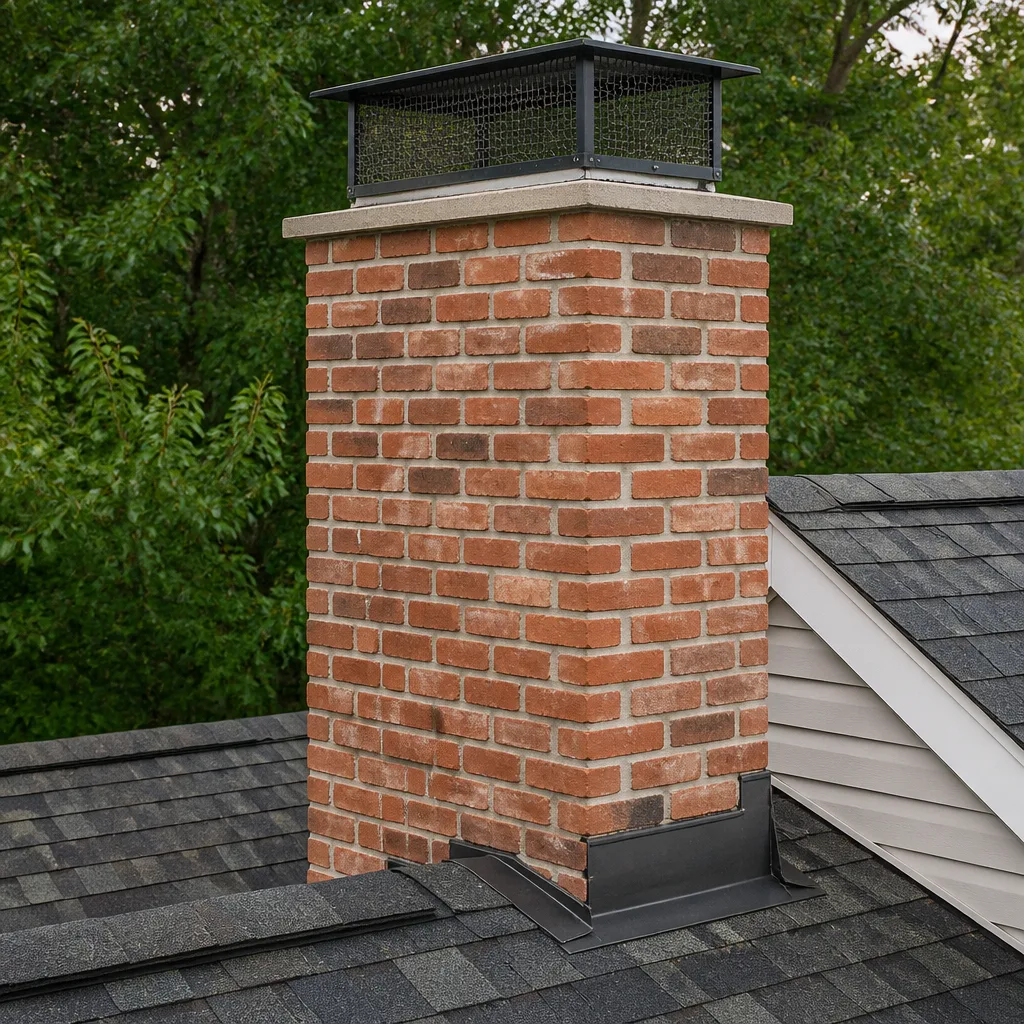 Masonry repair
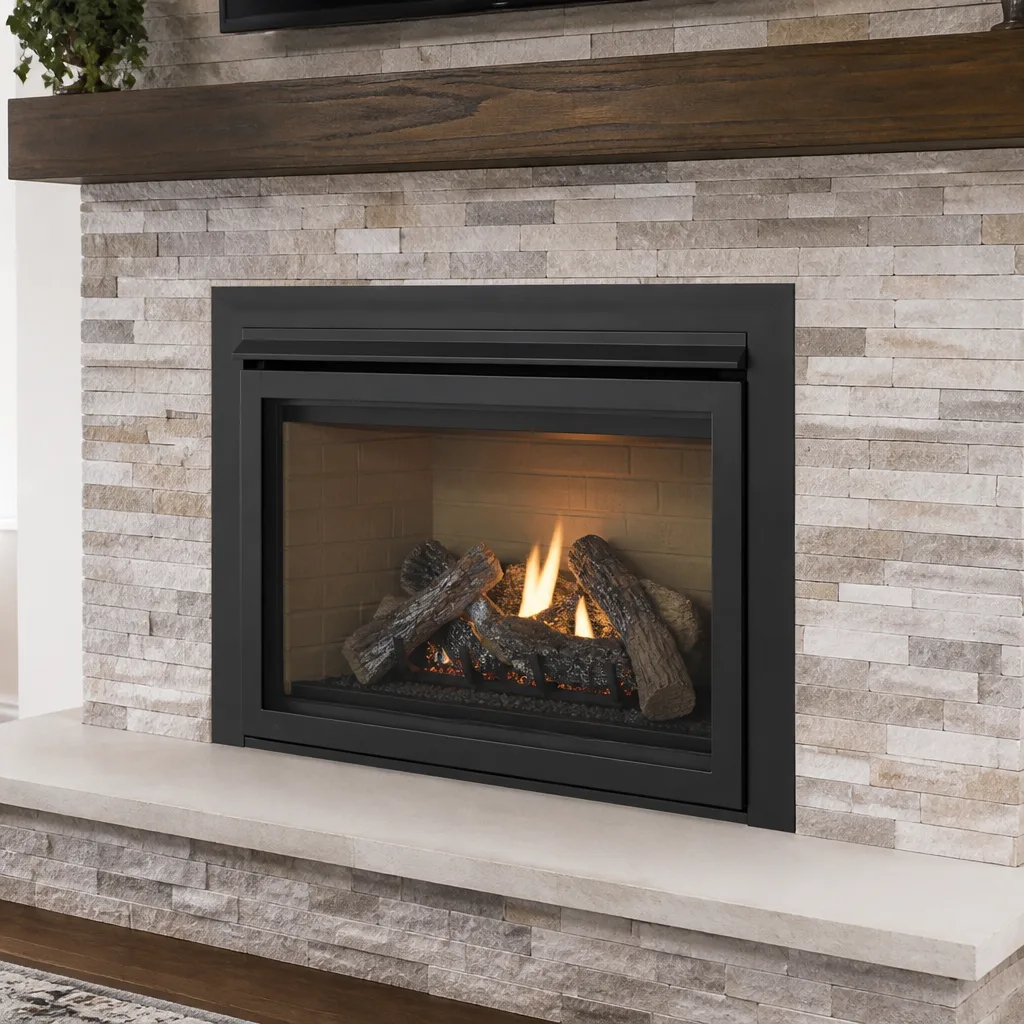 Gas fireplace service
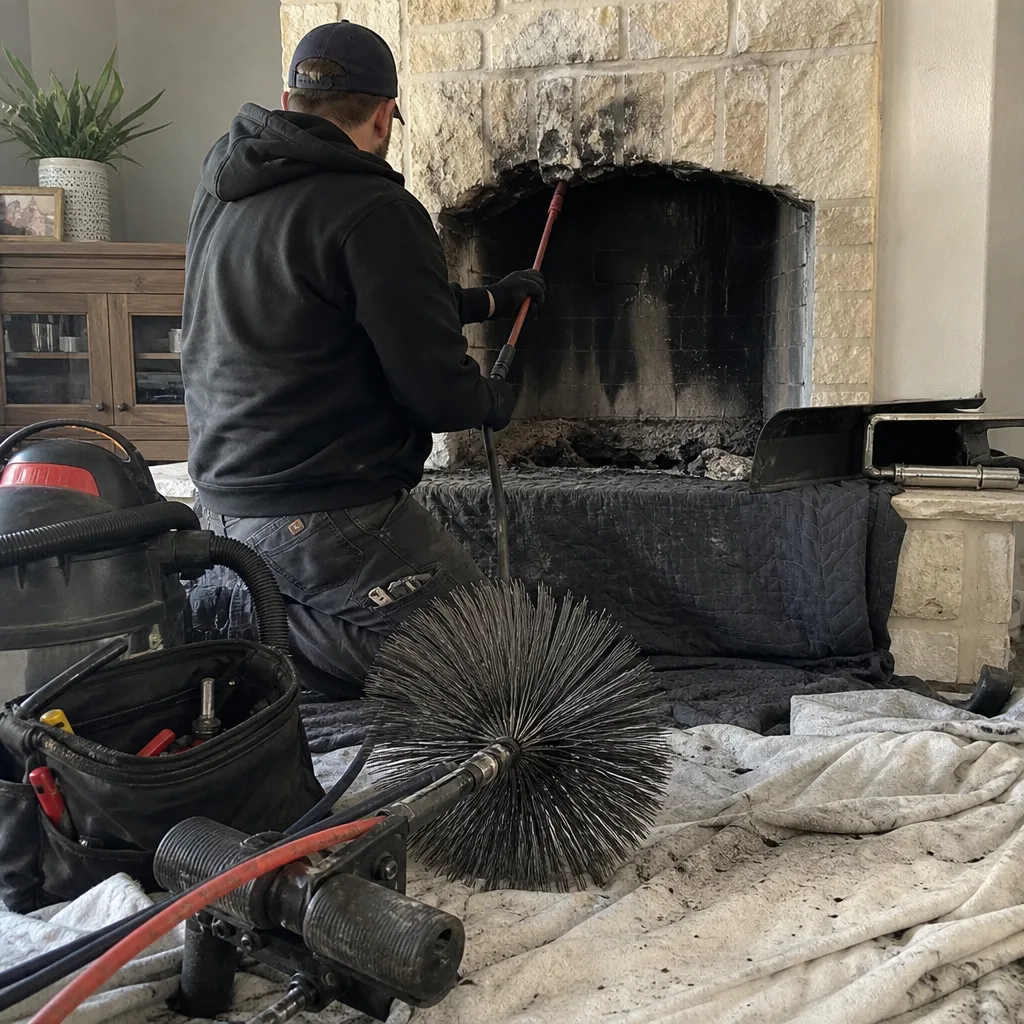
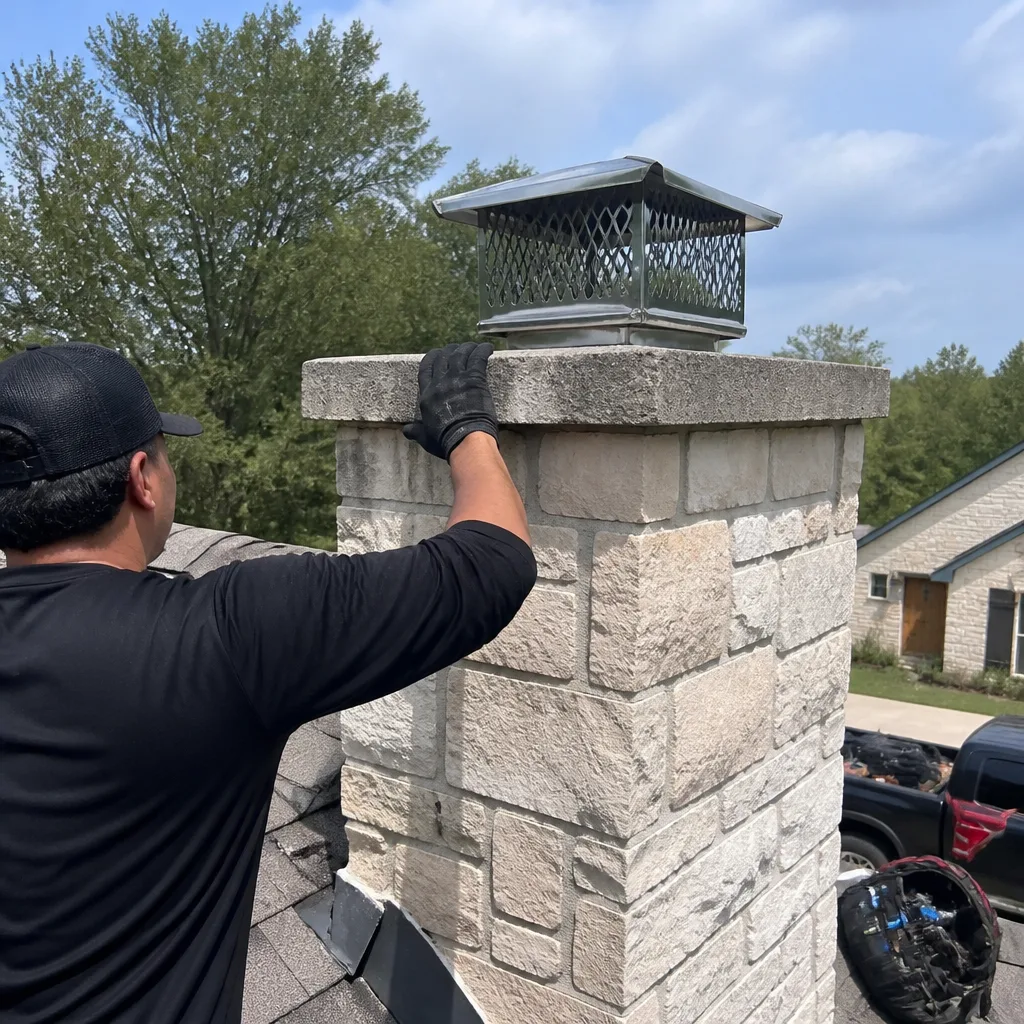
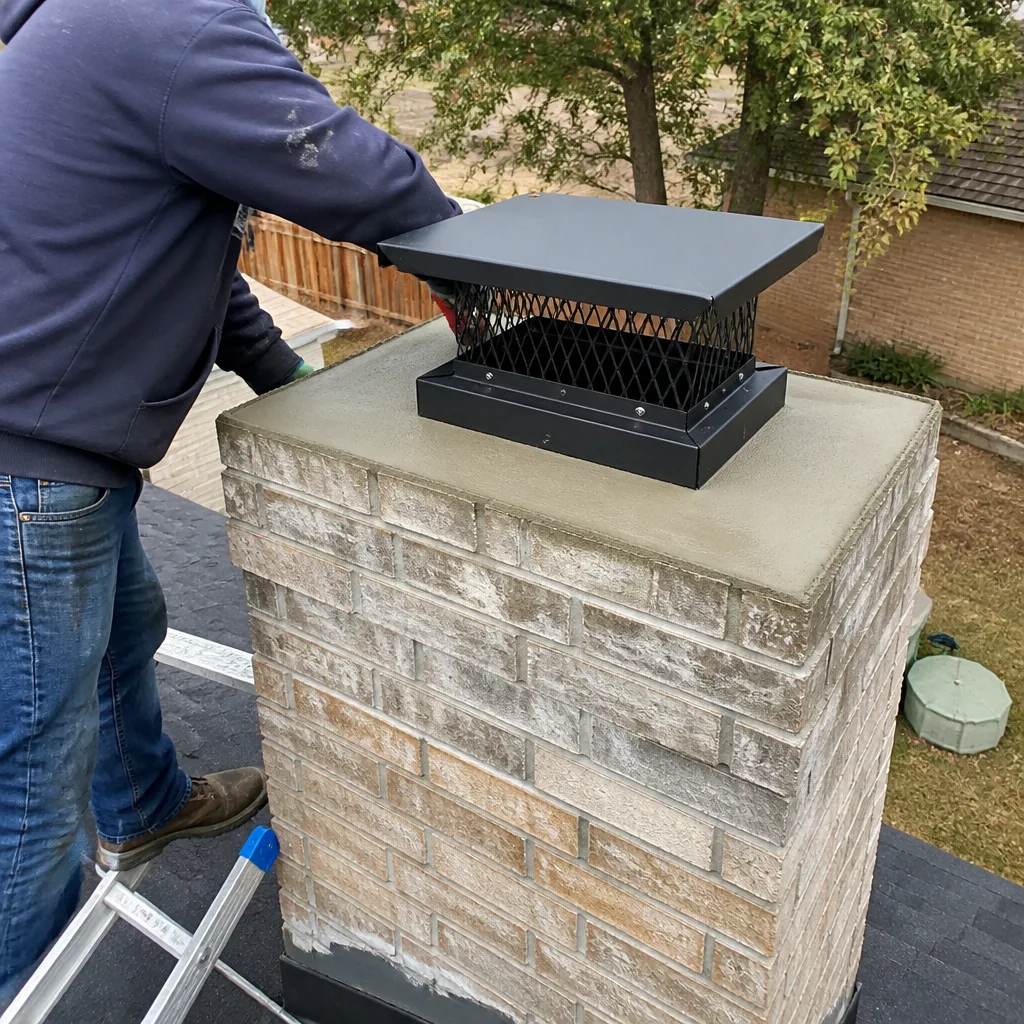
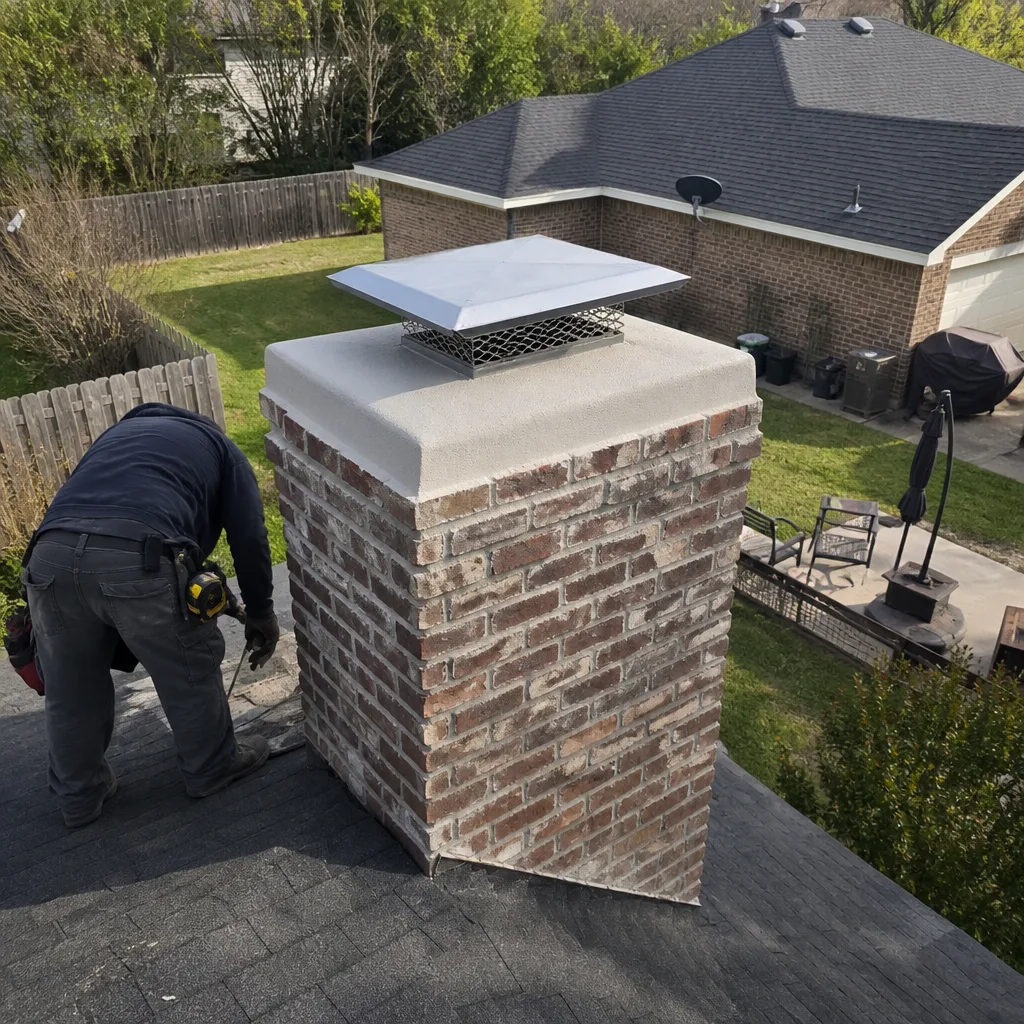
Level 1 sweep and inspection to the NFPA 211 annual standard - flue, crown, cap, and flashing checked and photographed
Chimney sweep logs do not sweep chimneys. They loosen some creosote - which then falls where a brush and vacuum still have to collect it.
DIY vs Professional Chimney Cleaning: The Fort Worth Homeowner’s Decision Guide
You can buy a rotary chimney brush kit on Amazon for about sixty bucks and be on your roof by Saturday afternoon. What that kit can’t show you is a Stage 2 creosote glaze fusing to the flue wall seventeen feet above your firebox, or a hairline crack in a terra cotta liner tile that’s been there since the Reagan administration. Fort Worth’s freeze-thaw winters and hundred-degree Augusts stress masonry chimneys in ways newer builds in Dallas or Arlington don’t experience, and what you can’t see is usually what burns. This guide lays out exactly when DIY chimney cleaning makes sense, when it’s a genuinely bad idea, and how to know the difference before you climb a ladder.
Styles & brands we work with
Quick Answer
DIY chimney cleaning in Fort Worth is a reasonable option only if you have a single-story home with a straight flue, you’ve confirmed the creosote is dry and flaky (Stage 1), you burned less than a cord of wood last season, and you have no history of animal nesting or structural concerns. For everyone else, a professional chimney sweep is the safer and ultimately cheaper route; our How to Hire a Chimney Cleaning Contractor in Fort Worth: A Step-by-Step Guide can help you choose the right one, because the risks you can’t see from the rooftop are the ones that cause chimney fires and carbon monoxide leaks.
Table of Contents
- The Real Decision: Flue Geometry, Not Confidence
- Understanding Creosote Stages: What’s Actually on Your Flue Walls
- The Four Scenarios Where DIY Chimney Cleaning Makes Sense
- The Four Scenarios Where DIY Is Genuinely Dangerous
- The Equipment Gap: What $75 Buys vs. What a Pro Brings
- The Hidden DIY Cost: Creosote Disposal in Fort Worth
- Using DIY Brushing Between Professional Visits
- Common Mistakes to Avoid
- When to Call a Professional
- Frequently Asked Questions
- The Bottom Line
The Real Decision: Flue Geometry, Not Confidence
Here’s the thing most DIY chimney cleaning articles get wrong. They frame the decision as a personality test: are you handy enough, brave enough, willing enough to get dirty? That’s the wrong question. The right question is about what’s inside your chimney, and whether the geometry of your flue lets a homeowner-grade brush actually reach what needs cleaning.
A straight, vertical flue on a single-story Fort Worth ranch house is straightforward. You can see the top from the ground, the brush path is a straight line, and a basic rod-and-brush kit does an honest job on dry, powdery creosote. Those chimneys exist all over Fort Worth neighborhoods like Wedgwood, Ridglea Hills, and the older sections of the Near Southside. If that’s your house and you’ve kept up with maintenance, DIY might work.
But Fort Worth also has thousands of homes with what chimney professionals call an “offset” or “L-shaped” flue: the chimney rises from the firebox, then angles back through the attic to avoid a structural beam, then exits the roof somewhere you didn’t expect. You find these constantly in two-story homes in Tanglewood, Westcliff, and the custom builds around TCU. A DIY brush kit with rigid fiberglass rods cannot navigate that offset. The brush jams at the angle, the rods flex, and you end up cleaning the first six feet of flue while the real creosote accumulation sits untouched above the bend. You think you’ve cleaned the chimney. You haven’t.
This isn’t about effort or skill. It’s about physics. A brush can only clean what it can reach, and flue geometry dictates what it can reach. Before you buy a kit, you need to know whether your flue is a straight shot or an offset design, and most homeowners have no way to know that without looking, which is itself a rooftop job requiring a ladder and a head for heights.
Understanding Creosote Stages: What’s Actually on Your Flue Walls
Creosote is the flammable tar residue that condenses on chimney walls when wood smoke cools below 250 degrees Fahrenheit. Every wood fire produces it. How much you get and what form it takes depends on what you burn, how hot the fire burns, and how often you use the fireplace. Chimney professionals classify creosote in three stages, and the stage matters more than anything else in your DIY decision.
Stage 1: Dry, Flaky Soot. This is a fine, dark powder or light flake that brushes off easily. It forms during hot, efficient fires in a well-ventilated chimney. Stage 1 creosote is what a DIY brush kit is designed to remove. If this is what’s in your flue, a homeowner with the right tools and a straight flue can do a legitimate cleaning.
Stage 2: Tar-Like Glaze. This is where things get serious. Stage 2 creosote is a thick, shiny, tar-like coating that forms when fires burn cooler or when unseasoned wood is used. It cannot be removed with a wire brush alone. It requires mechanical rotary equipment with aggressive scraping heads, or in severe cases, chemical treatments that break down the tar. If you have Stage 2 creosote, a DIY brushing will polish the surface and leave the actual fire risk in place. You’ll feel productive. The chimney will still be dangerous.
Stage 3: Hardened Glaze Fuel. Stage 3 is a dense, hardened layer that looks like black glass. It’s extremely concentrated fuel and it takes professional equipment and often chemical treatments to remove. Stage 3 creosote glazing inside a Fort Worth chimney is a fire waiting for the right spark. No consumer-grade tool can remove it.
Here’s the uncomfortable truth: the only way to know which stage you have is to inspect the flue from the inside, ideally with a camera. You can drop a flashlight down from the roof and see the first few feet, but the worst creosote accumulation is often higher up where the flue gases have cooled most. In our experience sweeping chimneys across Fort Worth for over two decades, homeowners consistently underestimate their creosote stage. What looks like “just some soot” from the firebox is frequently Stage 2 glaze higher up the flue. That gap between perception and reality is where chimney fires begin.
The Four Scenarios Where DIY Chimney Cleaning Makes Sense
We’re not going to tell you DIY is always wrong, because that’s not true. There are specific, verifiable conditions where a homeowner can safely and effectively clean their own chimney. Here are the four criteria, and they all need to be true, not just two or three.
1. Single-Story Home with a Straight Flue
If you can stand in your backyard, look at your roof, and trace a straight vertical line from your fireplace up to the chimney cap, you have a candidate for DIY. The brush path is unobstructed, the rods don’t need to flex around offsets, and you can actually reach the full height of the flue from the top. This describes many of the 1950s and 1960s ranch homes in Fort Worth neighborhoods like Como, Meadowbrook, and East Fort Worth. It does not describe most two-story homes or any home with a vaulted ceiling fireplace on an interior wall.
2. Confirmed Stage 1 Creosote Only
You need visual confirmation, not assumption. Take a flashlight, open the damper, and scrape the flue wall just above the firebox with a butter knife or paint scraper. If what comes off is dry, flaky, and powdery, you’re looking at Stage 1. If it’s shiny, tacky, or gummy, stop. That’s Stage 2 and a brush will not remove it. If you’re not certain from the firebox view alone, pay for a professional camera inspection before deciding. At Hadley Chimney Fort Worth, we include photo documentation on every sweep so homeowners know exactly what stage they’re dealing with, and the before-and-after photos mean there’s no guesswork about whether the cleaning actually worked.
3. Less Than One Cord Burned Last Season
A cord is 128 cubic feet of stacked wood, roughly 4 feet by 4 feet by 8 feet. If you burned less than that last winter, your creosote accumulation is likely light, assuming you burned seasoned hardwood and had hot fires. Fort Worth’s relatively mild winters mean most occasional fireplace users burn far less than a cord. That low usage is the single biggest factor that makes DIY viable for some homeowners. If you’re burning two or three cords a season, you’re in professional territory regardless of the other factors.
4. No Prior Structural or Animal Issues Documented
This one is easy to verify but frequently overlooked. Have you ever had a chimney fire? Has a previous inspection noted cracked tiles, missing mortar, or a damaged cap? Have you ever heard animals in the chimney or found nesting material in the firebox? If any of those are true, DIY is off the table, because those conditions create hazards that a brush can’t address and may actually worsen. Fort Worth sees significant raccoon and squirrel activity in chimneys, especially in older neighborhoods with mature trees like Oakhurst and Ryan Place. Animal nests packed with twigs and leaves are hidden fire fuel, and they also block airflow, which accelerates creosote buildup.
The Four Scenarios Where DIY Is Genuinely Dangerous
Now the other side. These are the conditions where a homeowner should absolutely not attempt a DIY chimney cleaning, regardless of skill level, tool quality, or confidence. These aren’t edge cases. We see them regularly across Fort Worth.
1. Stage 2 or Stage 3 Creosote Present
As covered above, tar-like and glazed creosote cannot be removed with consumer equipment. Attempting it gives you a false sense of security. A chimney with Stage 2 or 3 creosote can still ignite, even after a vigorous brushing. Professional removal may require rotary chain whips, chemical treatments like HeatShield’s creosote removers, or in severe cases, a liner assessment to determine whether the chimney is still safe to use at all. There is no DIY version of this process.
2. Offset or L-Shaped Flue
We covered the geometry problem earlier, but it’s worth stating plainly: a brush cannot clean around a bend. If your flue has an offset, a DIY cleaning leaves the upper section untouched, and that upper section is where creosote accumulates most heavily as flue gases cool. You could brush for an hour and remove almost none of the actual fire risk. The only way to clean an offset flue properly is with flexible rotary equipment designed to follow the curve, which is professional gear.
3. Any Prior Animal Nesting
Animal nests are not just mess. They are compacted masses of highly flammable material wedged into your flue, and they frequently conceal damage: cracked tiles, displaced bricks, or compromised mortar that the animal clawed or chewed while building. Removing a nest without inspecting the flue behind it is like removing a bandage without looking at the wound. Fort Worth’s squirrel and raccoon populations make this a common find, and if you’ve ever had a nest, the structural inspection is as important as the cleaning.
4. Pre-1990 Home with an Uninspected Terra Cotta Liner
Fort Worth has tens of thousands of homes built before 1990, and the standard chimney liner of that era was terra cotta clay tile. Clay liners crack over time, especially in North Texas where freeze-thaw cycles stress masonry. A cracked terra cotta liner allows heat and gases to reach combustible framing, which is how house fires start from chimneys. If your home is older and the liner has never been professionally inspected, a DIY cleaning is dangerous because you cannot assess the liner while brushing, and the brushing itself can dislodge a tile that was already cracked. You need a camera inspection first. For homes where the terra cotta has failed, modern solutions like a DuraFlex stainless steel liner can restore safety, but that’s a repair decision that requires professional assessment through our Chimney Repair in Fort Worth service.
The Equipment Gap: What $75 Buys vs. What a Pro Brings
Let’s be honest about what a consumer chimney cleaning kit actually includes versus what professional equipment does. This is where DIY cost comparisons tend to fall apart.
For $60 to $150 on Amazon or at a local hardware store, you get a brush head (typically 6 to 8 inches in diameter), several fiberglass rods, and maybe a plastic tarp. You do not get a vacuum rated for fine particulate, you do not get a camera, and you do not get a way to verify the result. The brush diameter is a one-size-fits-most guess, which matters because a brush that’s too small won’t contact the flue walls, and a brush that’s too large can jam. Proper brush sizing requires measuring the flue, which requires accessing the top of the chimney with measuring tools.
A professional chimney sweep arrives with commercial equipment that addresses the job in ways a DIY kit structurally cannot. That includes a HEPA-rated vacuum that captures the fine particulate rather than blowing it into your living room, which is what happens when you brush a chimney from the top without a proper vacuum seal at the bottom. It includes an articulating camera system that documents the flue before and after cleaning, so you can see what was actually removed. It includes a range of brush sizes and types selected for your specific flue dimensions. And it includes the training to interpret what the camera shows, because not every crack or discoloration is a problem, and not every clean-looking flue is safe.
The gap isn’t about effort. Someone with a $75 kit can work harder than a professional and accomplish less, because the tools determine the outcome. We run into this regularly in Fort Worth: homeowners who brushed their own chimney, felt good about it, and then discovered during a professional sweep that the upper flue was thick with glaze they never touched. The $75 they saved became part of a larger bill later, because the chimney needed rotary cleaning and in some cases a liner assessment they wouldn’t have needed if the creosote had been caught at Stage 1.
The Hidden DIY Cost: Creosote Disposal in Fort Worth
Every DIY chimney cleaning article talks about the cost of the kit. Almost none of them mention what you do with the creosote afterward. Creosote is a hazardous material. It’s toxic to aquatic life, it’s flammable, and it should not go into your regular Fort Worth residential trash bin without proper containment. The City of Fort Worth’s solid waste guidelines do not allow loose hazardous material in residential pickup. You’re supposed to bag it, seal the bags, and in some cases contact the city’s special waste program for guidance.
A professional chimney sweep handles this as part of the job. The HEPA vacuum captures the debris, the bags are sealed, and the disposal is done according to applicable regulations. That’s not a trivial line item. It’s a responsibility most homeowners don’t realize they’re taking on when they buy a brush kit. If you brush your chimney and then bag the creosote loosely in a kitchen trash bag, you’ve created a fire hazard in your own trash can and potentially a compliance issue with the city. This is one of those hidden costs that DIY actually adds rather than removes.
Using DIY Brushing Between Professional Visits
Here’s where DIY can genuinely make sense: as a maintenance step between professional cleanings, not as a replacement for them. The standard professional recommendation is an annual chimney sweep for regular wood burners. For lighter users in Fort Worth who burn occasionally during cold snaps, that interval might extend to every two years or so; see our Seasonal Chimney Cleaning Care for Fort Worth: Year-Round Homeowner’s Guide for a full maintenance calendar. DIY brushing can help bridge that gap if the conditions we described earlier all hold.
For example, a homeowner in a single-story ranch home with a straight flue, confirmed Stage 1 creosote, and light seasonal use could do a simple brushing halfway between professional visits to remove the light soot that builds up. This keeps the flue clear and makes the next professional sweep faster and simpler. The key is that the DIY brushing happens between professional inspections, not instead of them. The professional camera inspection remains the structural safety check that DIY cannot replace.
This is the honest middle path, and it’s the one we recommend because it aligns with how Fort Worth homes and homeowners actually operate. Not everyone needs a full professional sweep every single year if their usage is light. But everyone with a wood-burning fireplace needs a professional camera inspection on a regular schedule, because the structural risks, the liner cracks, the hidden animal nests, the Stage 2 glaze in the upper flue, none of those are visible from the firebox, and none of them are addressed by a brush. If you’re in this light-use category, our Chimney Sweep in Fort Worth team can do a full inspection and give you an honest recommendation about whether DIY maintenance between visits is appropriate for your specific chimney, which is the kind of straight answer we’ve been giving Fort Worth homeowners since 2003.
Common Mistakes to Avoid
- Brushing without confirming creosote stage. The most common error we see in Fort Worth. You can brush Stage 1, you cannot brush Stage 2 or 3. Brushing tar or glaze polishes the surface and leaves the fire risk in place. Always confirm the stage before you buy equipment.
- Using a brush that’s the wrong size. Consumer kits come in limited diameters. A brush that’s too small doesn’t scrape the flue walls at all. A brush that’s too large can jam, and a stuck brush in a flue is an expensive extraction call. Flue measurement matters.
- Cleaning from the bottom up without sealing the firebox. Brushing from inside the house without a proper vacuum and seal sends creosote dust through your living space. The dust is fine, black, and gets into everything. Professionals use HEPA vacuums at the firebox level for exactly this reason.
- Disposing of creosote in household trash. As covered above, creosote is hazardous waste. Loose creosote in a trash bag is a fire and compliance problem. Fort Worth residents need to handle this properly, and it’s a reason the full-service professional route is simpler than it looks.
- Skipping the inspection that should accompany any cleaning. A brush removes soot. It does not inspect liners, check mortar joints, confirm cap integrity, or identify animal entry points. If you clean without inspecting, you’re maintaining the surface while ignoring the structure. In older Fort Worth homes especially, the structure is the thing that fails.
- Assuming a low-use fireplace doesn’t need attention. Fireplaces that are used rarely still accumulate creosote, and they often accumulate more per use because occasional fires burn cooler. They also become animal nesting sites precisely because they’re quiet. Low use is not the same as no maintenance.
When to Call a Professional
Call a professional if you see shiny, tar-like creosote in your flue, if you have a two-story home with an offset flue, if you’ve had any animal activity in the chimney, if your home predates 1990 and the liner hasn’t been camera-inspected, or if you simply don’t want to climb a ladder with a brush while hoping you’re doing it right. There’s no shame in that last one. Rooftop work on a Fort Worth summer afternoon with a 130-degree shingle surface is not where everyone wants to spend their Saturday. If you’re in any of these situations, Hadley Chimney Fort Worth offers free estimates across Fort Worth, and every job includes a written price before any work begins, live arrival tracking, and before-and-after photos so you can see exactly what was done. Call (682) 900-6393 and a real person answers, 24/7.
Frequently Asked Questions
A chimney sweep in Fort Worth typically runs $180 to $340 for a standard wood-burning fireplace with a straight flue, with the price varying based on flue height, creosote stage, and whether additional services like a camera inspection or cap replacement are needed; our Chimney Cleaning Cost Breakdown: The Fort Worth Homeowner’s Reference for 2026 explains every line item in detail. Hadley Chimney Fort Worth provides a written price before any work begins, so you know the exact cost before anyone picks up a brush. Call (682) 900-6393 for a free estimate specific to your chimney.
The standard recommendation is once per year for homes that burn wood regularly, which in Fort Worth typically means at least a few fires per week during the November through February burning season. Homes that burn less than one cord per season and have confirmed Stage 1 creosote may be able to stretch that interval to every two years, but annual camera inspections are still recommended to catch structural issues early. The North Texas freeze-thaw cycle is hard on masonry, and the inspection matters as much as the sweep itself.
Yes, if your chimney meets all four criteria for DIY viability: a single-story home with a straight flue, confirmed Stage 1 creosote only, less than one cord burned last season, and no prior structural or animal issues. For any other configuration, the kit cannot reach or remove what actually needs cleaning, and the attempt creates a false sense of safety that’s more dangerous than not cleaning at all.
Creosote accumulates in layers, and the layers closest to the flue wall bake into tar and eventually glaze under repeated heat cycles. The more creosote present, the higher the fire risk, and the more expensive and involved the eventual cleaning becomes. In Fort Worth homes with older terra cotta liners, skipped cleanings also mean skipped inspections, which allows liner cracks and animal damage to go unnoticed until a more serious failure occurs. Skipping a few years typically turns a $250 sweep into a much larger repair bill.
Most Texas homeowner’s insurance policies cover fire damage including chimney fires, but coverage is typically contingent on the homeowner having performed reasonable maintenance. A chimney fire caused by documented creosote buildup that a homeowner ignored may face a coverage dispute. This is one more reason the written documentation from a professional sweep matters: it establishes a maintenance record that supports any future claim.
A chimney sweep removes creosote and soot from the flue, while a chimney inspection examines the structural condition of the chimney: the liner, mortar joints, cap, flashing, and firebox. At Hadley Chimney Fort Worth, every sweep includes camera documentation of the flue condition, so you get both the cleaning and the structural visibility in one visit. For gas fireplace users, the same inspection standard applies through our Gas Fireplace Repair in Fort Worth service.
The Bottom Line
DIY chimney cleaning in Fort Worth is a legitimate option for a narrow slice of homeowners: single-story, straight flue, Stage 1 creosote, light usage, no prior issues. For everyone else, the decision isn’t about bravery or frugality. It’s about whether your tools and access can actually remove what’s in your flue and whether you can verify the result. The brush is the easy part. The inspection, the disposal, the camera documentation, and the honest assessment of liner condition are what keep a chimney safe, and those are professional capabilities. If you’re not sure which category you fall into, get a professional opinion first, or browse more guides & resources to learn what to expect. Hadley Chimney Fort Worth has served Fort Worth since 2003 with written prices, photo documentation, and a 365-Day Done Right Promise on every repair. Call (682) 900-6393 and we’ll help you decide.
Written by Cory Mitchell, Owner at Hadley Chimney Fort Worth, serving Fort Worth since 2003.
See the difference
 Before
 After
After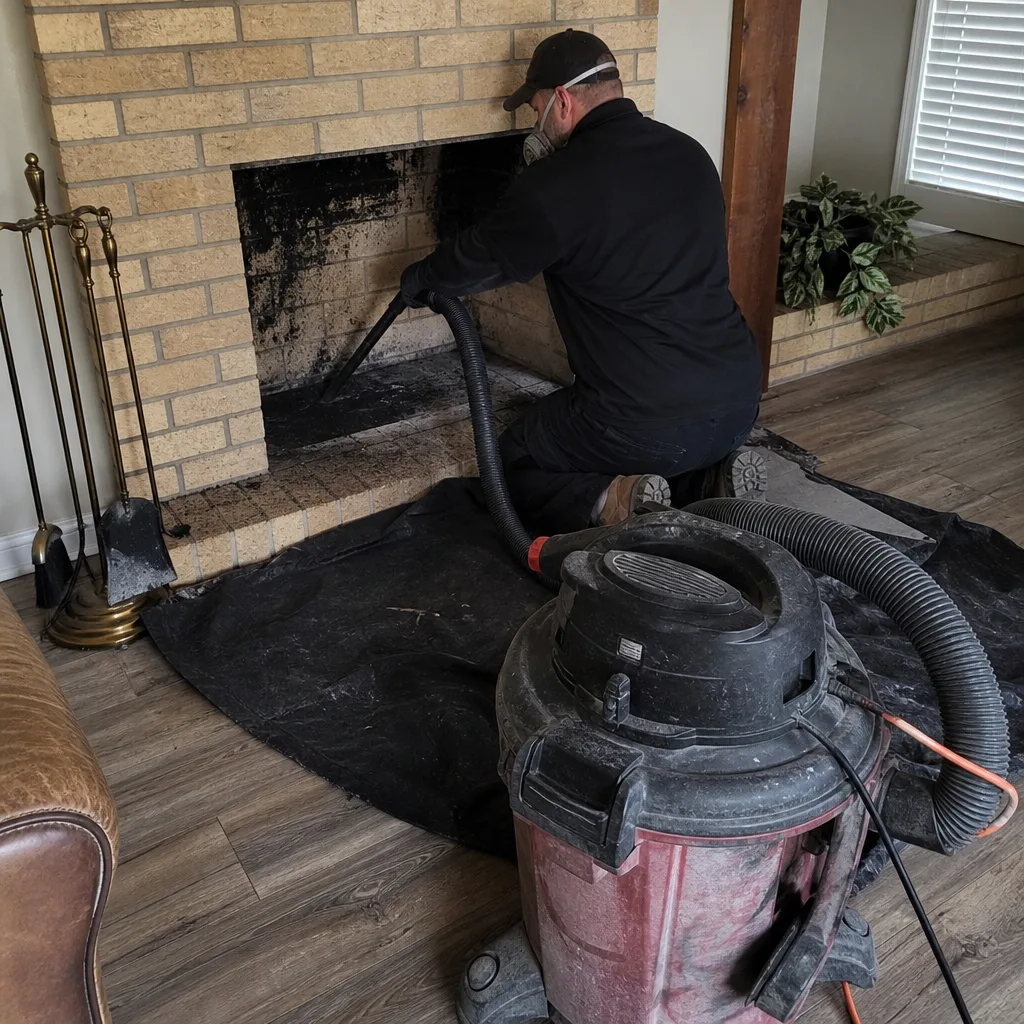 Before
 After
After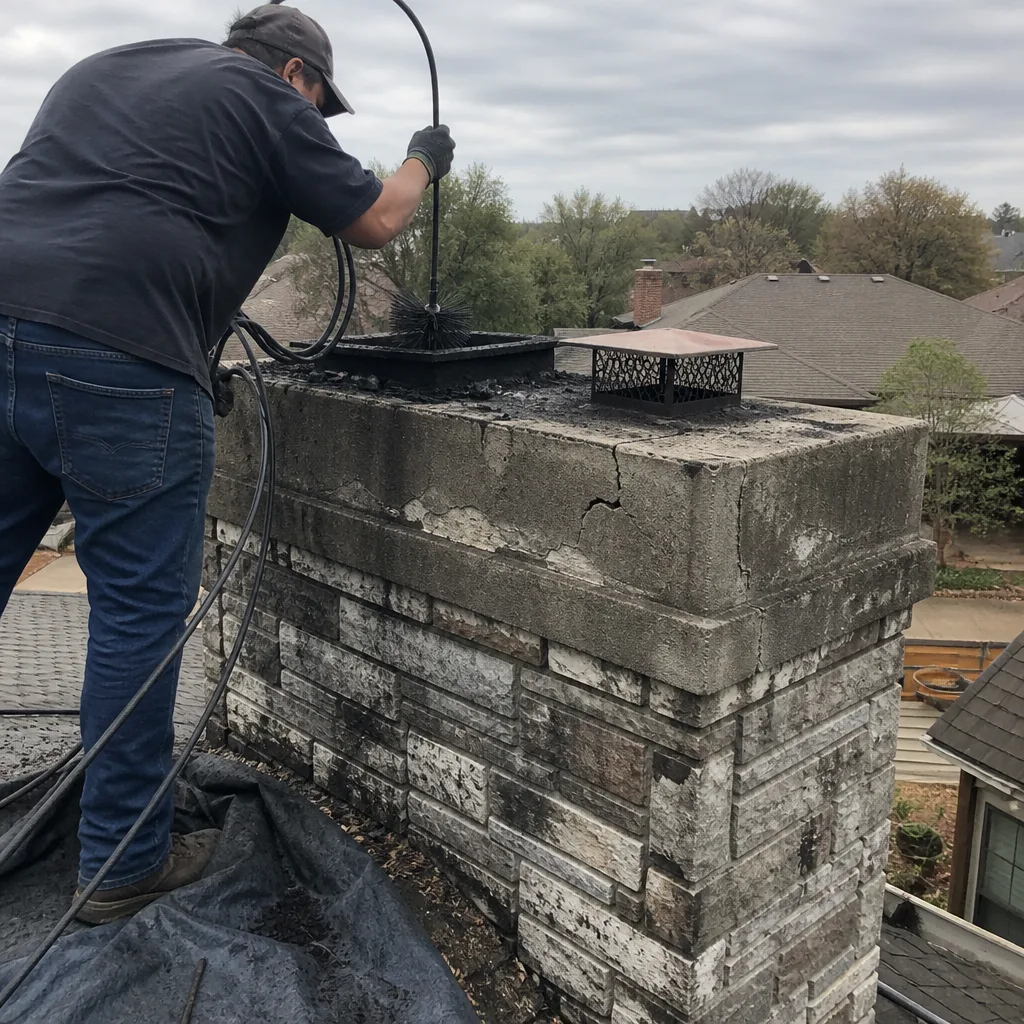 Before
 After
After