
Last updated October 15, 2026
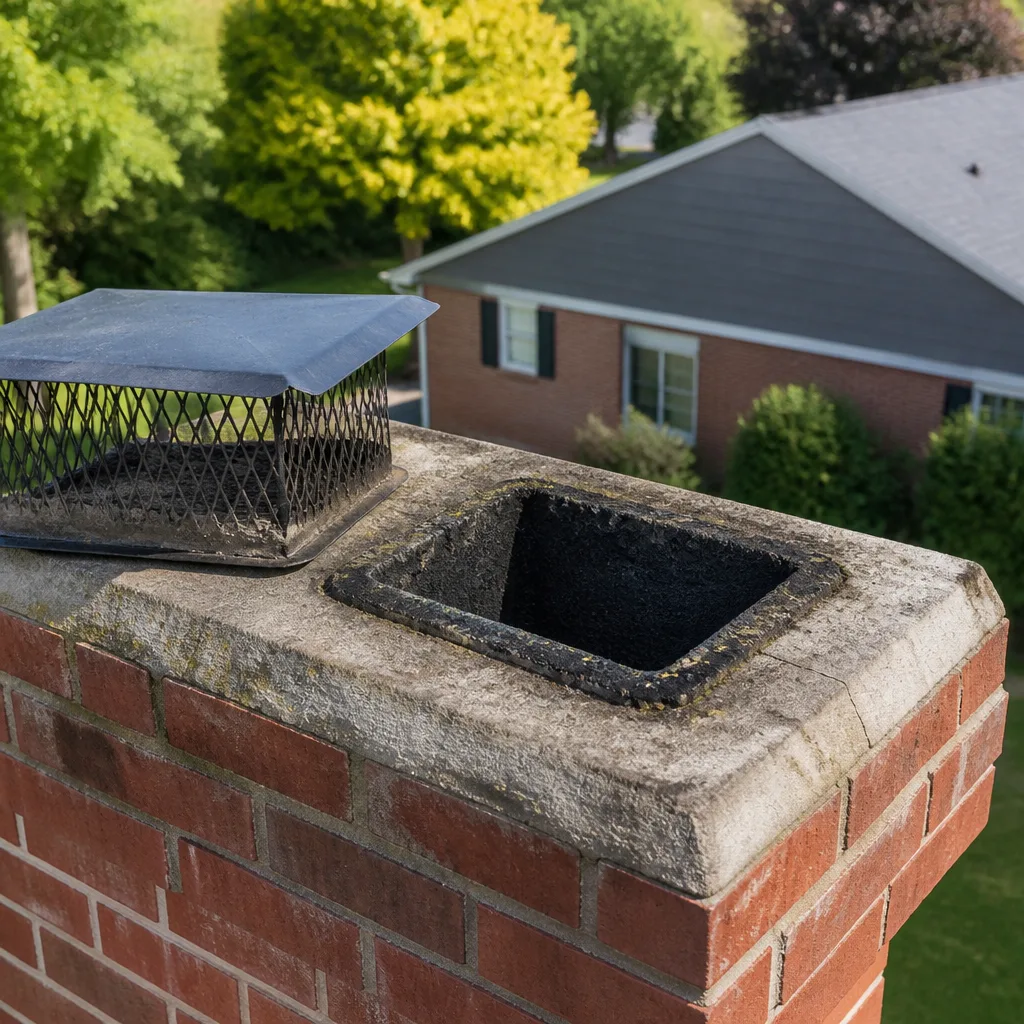 Sweep & inspection
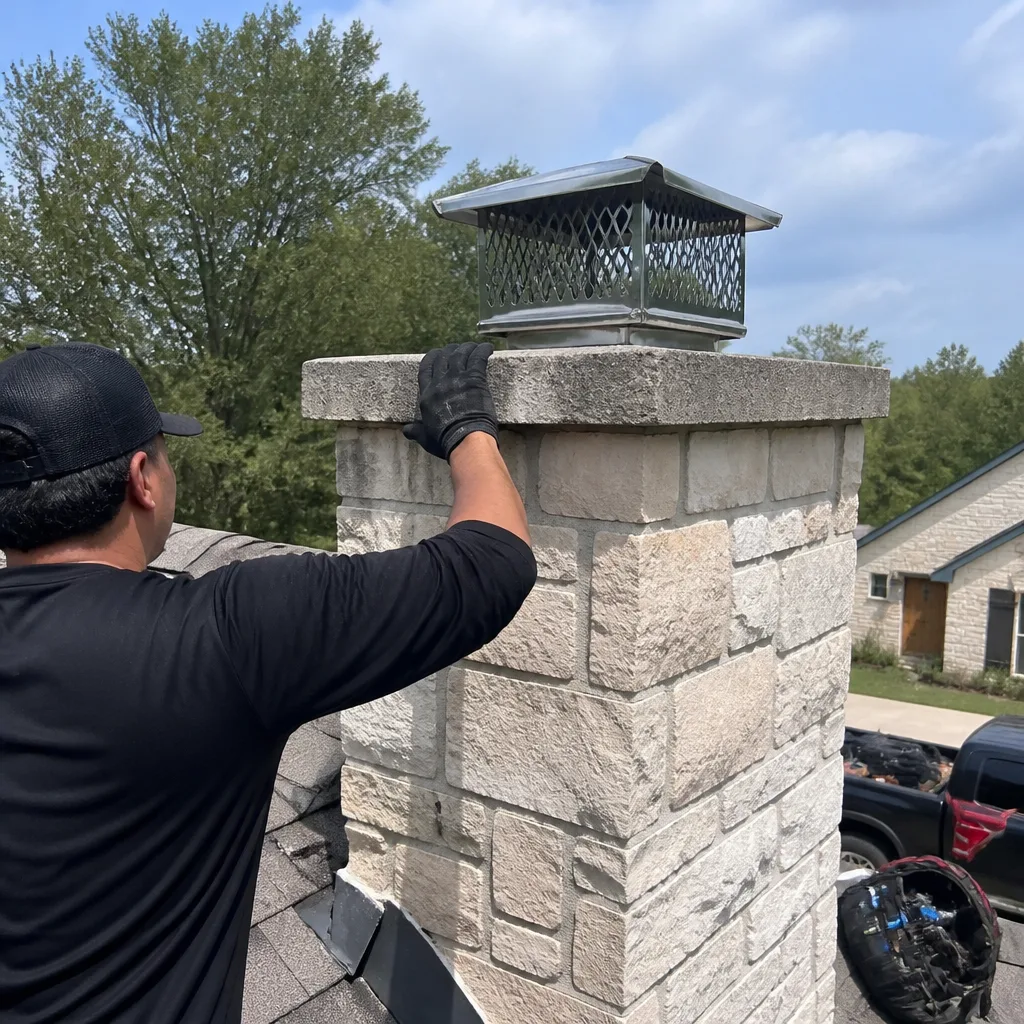
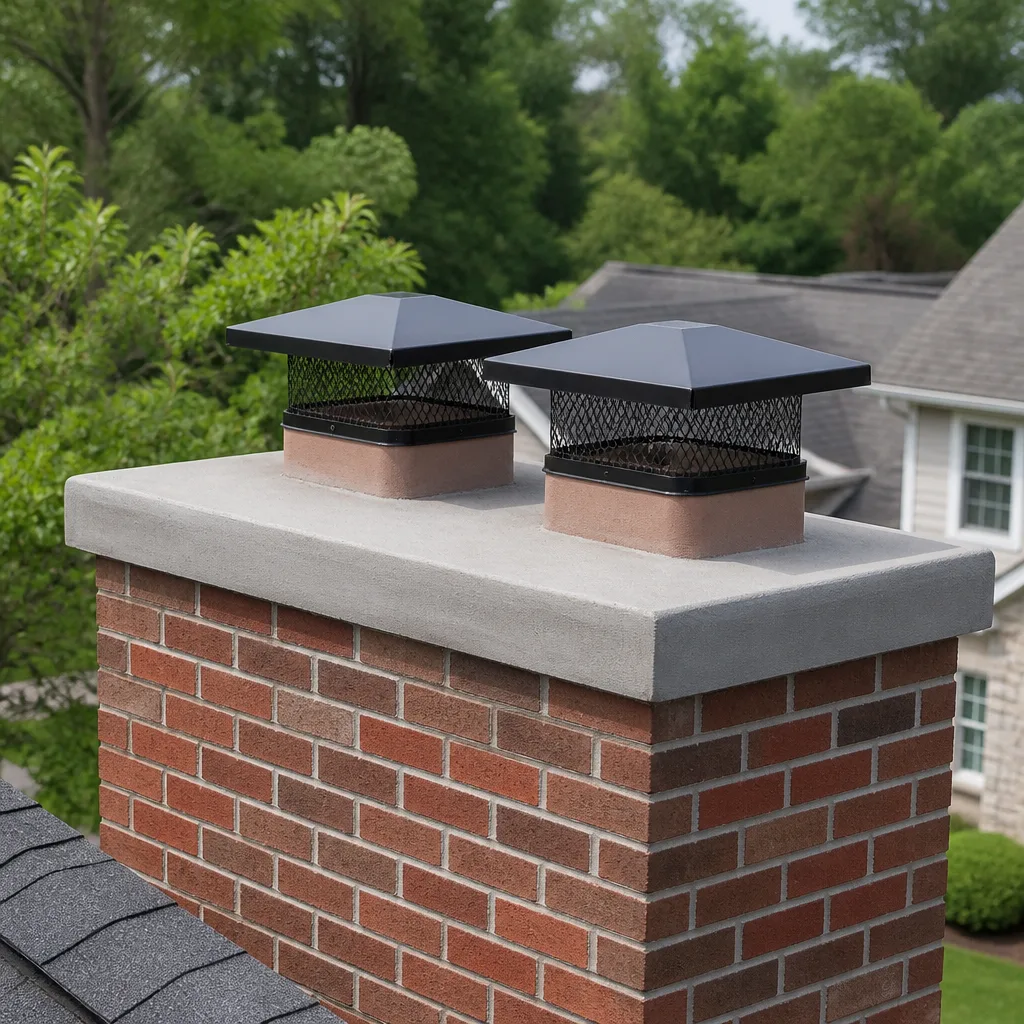 Caps & crowns
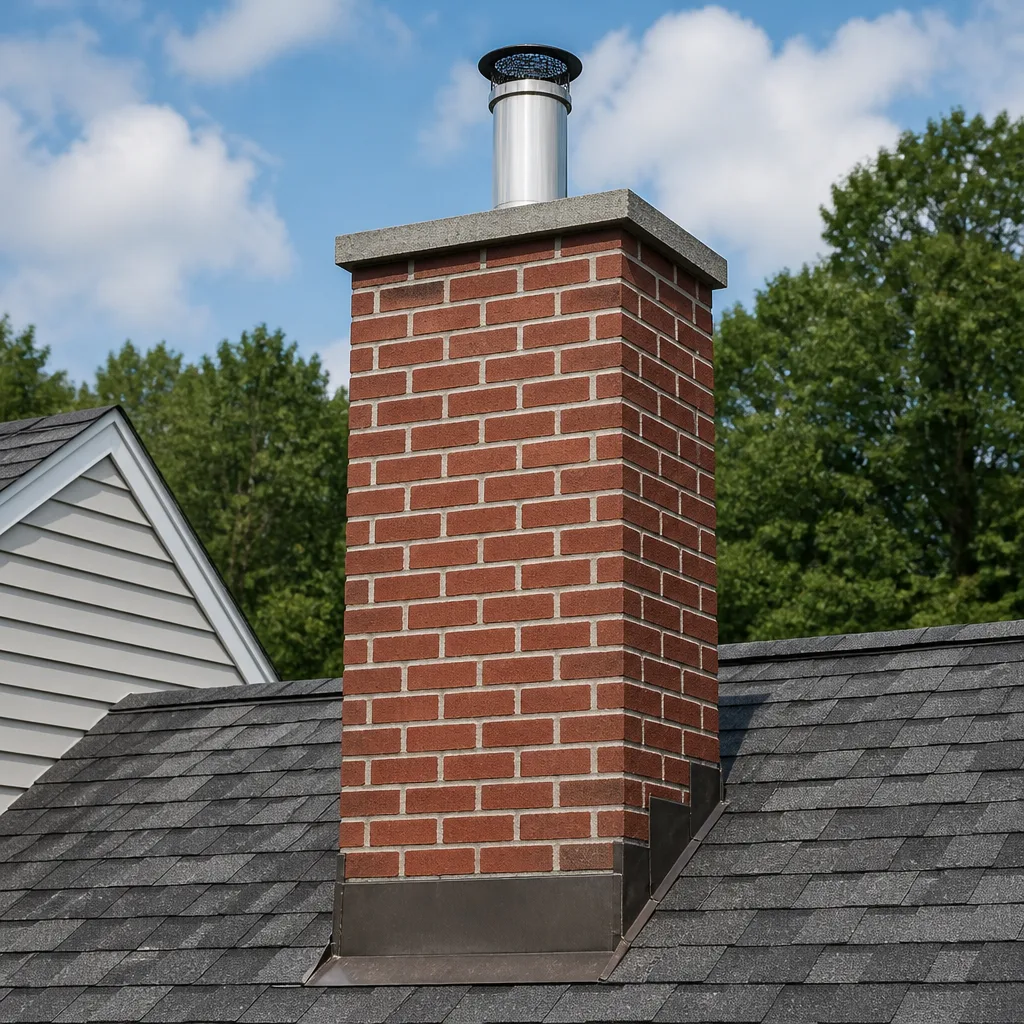 Flue relining
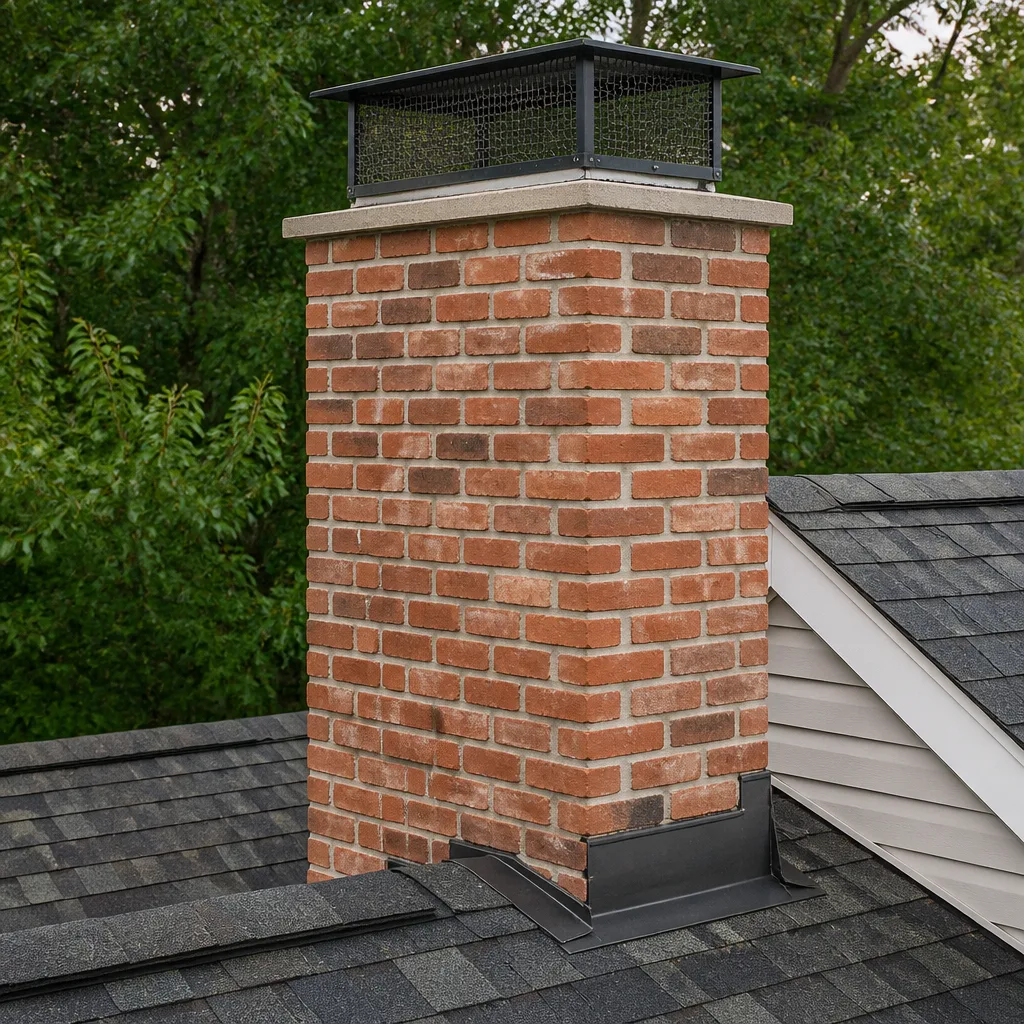 Masonry repair
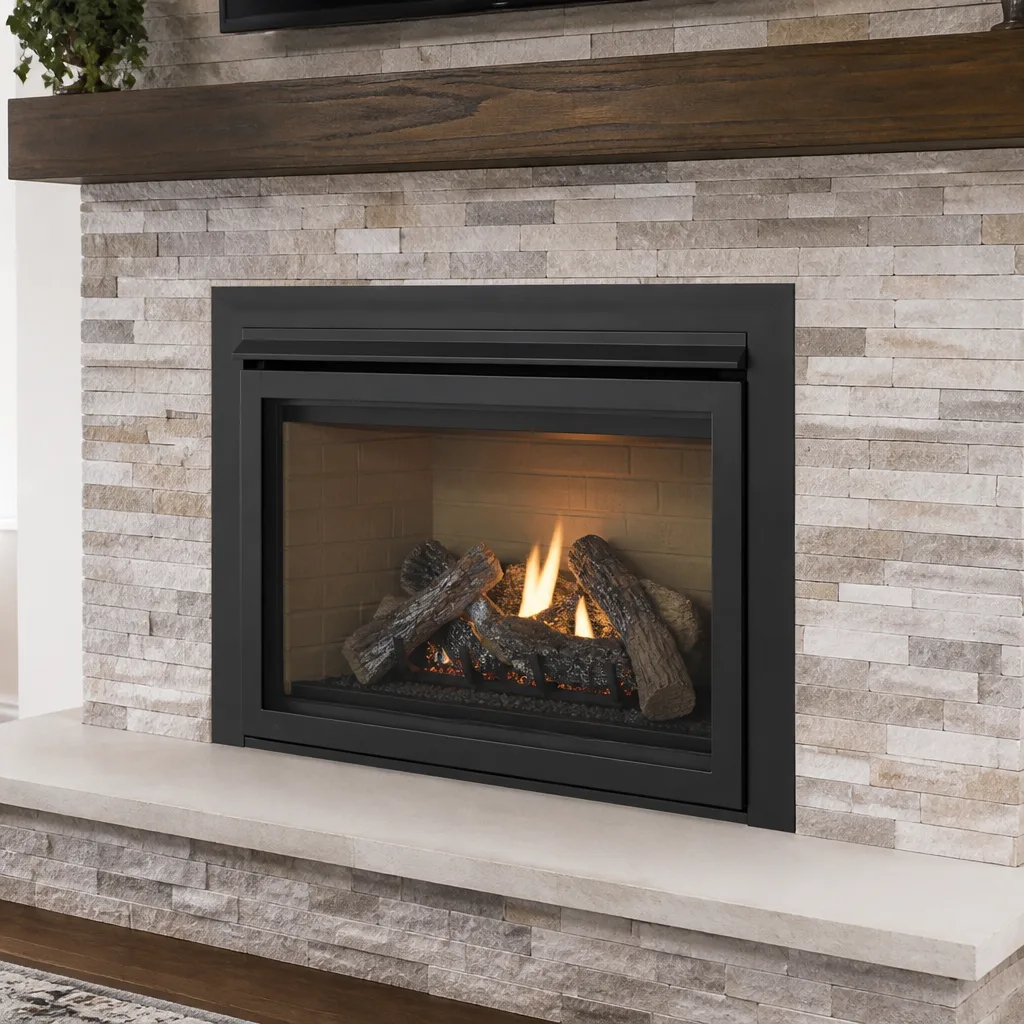 Gas fireplace service
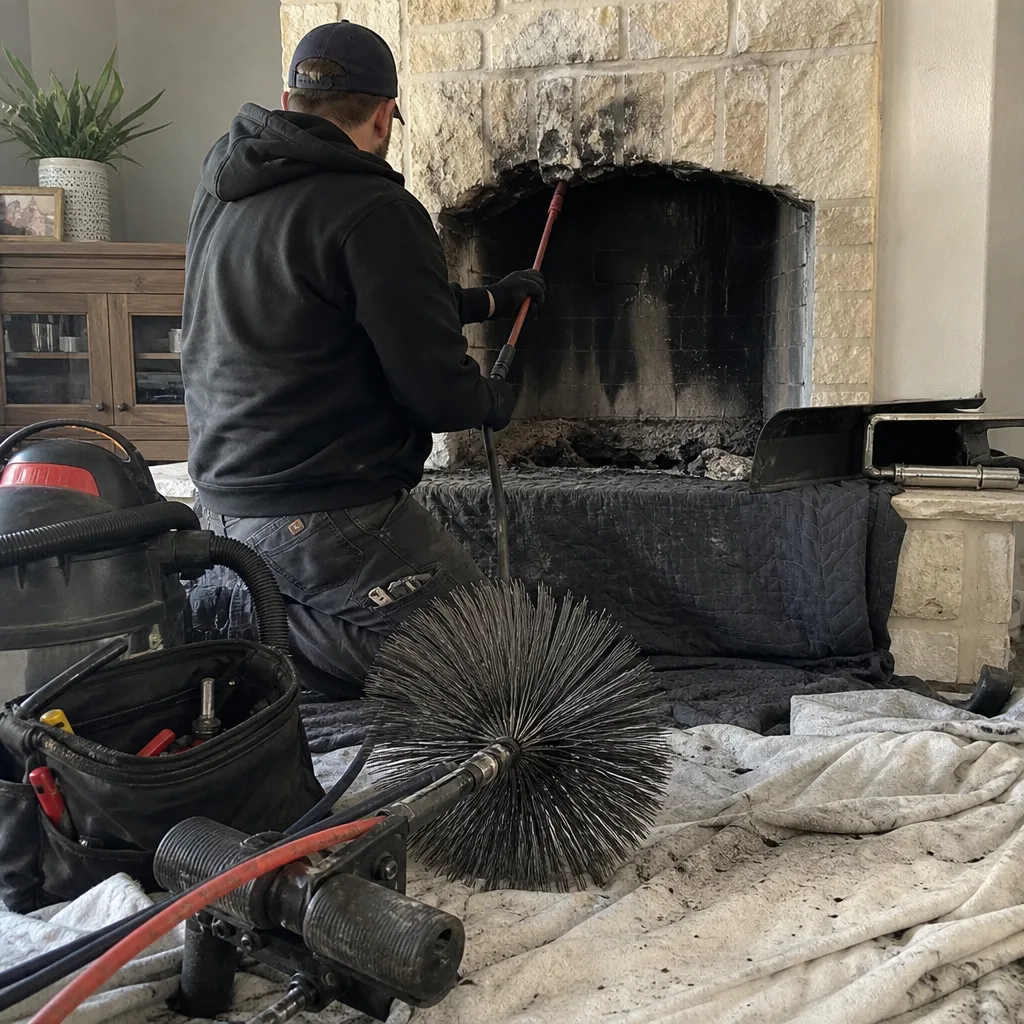
Level 1 sweep and inspection to the NFPA 211 annual standard - flue, crown, cap, and flashing checked and photographed
Chimney sweep logs do not sweep chimneys. They loosen some creosote - which then falls where a brush and vacuum still have to collect it.
Seasonal Chimney Cleaning Care for Fort Worth: Year-Round Homeowner’s Guide
The worst time to schedule chimney service in Fort Worth isn’t December. It’s October, when every homeowner who ignored the flue all summer calls at the same time and appointment slots disappear two weeks out. This guide reframes seasonal care around what actually happens to chimneys in North Texas each quarter, because Fort Worth’s four seasons don’t threaten your chimney the way a traditional seasonal guide assumes. The real damage comes from spring hail, summer humidity, and the fall pre-season crunch that leaves hundreds of DFW homeowners scrambling for the same three available technicians.
Quick Answer
Seasonal chimney care in Fort Worth means something different than it does in colder climates. You should inspect after every major spring storm for hail and flashing damage, book non-urgent repairs during the slow summer months, schedule your pre-season sweep by early September before the October rush, and watch for specific warning signs like smoke rollback and sulfur smells during winter burning. A professional chimney sweep in Fort Worth typically costs $149 to $289-see our Chimney Cleaning Cost Breakdown: The Fort Worth Homeowner’s Reference for 2026 for full pricing details-and booking ahead saves you both money and the frustration of a two-week wait.
Styles & brands we work with
Table of Contents
- Spring (March – May): The Hail Season Inspection
- Summer (June – August): The Off-Season Advantage
- Fall (September – October): The Smart Pre-Season Window
- Winter (November – February): Reading the Warning Signs
- The Two-Year Maintenance Rhythm
- Common Mistakes to Avoid
- When to Call a Professional
- Frequently Asked Questions
Spring (March – May): The Hail Season Inspection
North Texas gets more hail than nearly any region in the country, and Fort Worth sits right in the middle of it. By late March, hail stones ranging from pea-size to golf ball-size begin hammering roofs, gutters, and chimney crowns across Tarrant County. The most time-sensitive chimney task of the year in Fort Worth is not a sweep. It is a post-storm inspection for hail impact on your crown mortar, flashing displacement, and cap damage.
Here is what we check after a major spring storm, and what we recommend you watch for from the ground:
- Flashing displacement: The metal sheets where the chimney meets the roofline (called flashing) can lift or separate when hail and high wind hit together. A lifted corner lets rainwater run directly into the attic or chase. You might see a water stain on the ceiling near the fireplace within a week or two.
- Crown mortar hairline fractures: The concrete slab on top of the chimney (the crown) takes the direct impact of hail. Small cracks that exist before the storm widen quickly. Water then seeps into the masonry, and Fort Worth’s freeze-thaw cycles in late winter cause spalling, which is the technical term for brick faces popping off in flakes.
- Displaced or dented caps: The metal cap that keeps rain, birds, and sparks out of the flue can get knocked loose or dented badly enough to restrict airflow. A dented cap is not cosmetic. It changes draft performance and can cause smoke to push back into the living room during a spring fire.
- Chase cover rust-through: If you have a prefab chimney enclosed in wood framing (called a chase), the metal top can develop rust holes after years of hail exposure. What starts as a pinhole becomes a leak path that rots the wood framing behind your siding without ever showing on the outside.
We recommend walking around your house after any storm that drops hail larger than a dime. Look at the chimney cap with binoculars. Check for visible cracks in the crown from a ladder only if you are comfortable with heights, otherwise call a professional. If your neighbors are getting roofing claims approved, your chimney likely took a hit too. A Chimney Repair in Fort Worth visit after a hail event costs far less than the water damage and masonry spalling that follows if you wait a year.
Summer (June – August): The Off-Season Advantage
June through August in Fort Worth means temperatures above 95 degrees and humidity that makes the air feel like a wet blanket. Your chimney is not burning, but it is still working, just not the way you think. Summer is when moisture intrusion is at its worst, and when smart homeowners schedule the non-urgent work that cannot wait until fall.
Here is why summer is the strategic window for chimney work in Fort Worth:
- No appointment competition: Most homeowners forget their chimney exists until the first cold front in late September. In summer, a chimney sweep Fort Worth company can usually get to you within a few days, not two weeks. You choose the time. We work around your schedule, not the other way around.
- Moisture diagnosis is easier: Summer storms bring quick, heavy downpours. Water entry problems show up clearly during the rainy season. If we inspect a liner in July and find water staining, we know the leak is active, not residual from six months ago.
- Waterproofing treatments cure properly: Chimney masonry waterproofing needs dry, warm conditions to bond. Applying a vapor-permeable sealant (the kind that lets the brick breathe while blocking rain) in Fort Worth’s summer heat gives it the best possible cure time before fall rains arrive.
- Liner inspections and replacement happen without rush: A stainless steel liner system from DuraFlex or a ceramic resurfacing treatment like HeatShield takes a day or two to install properly. Doing it in July means no pressure, no cold-weather improvisation, and no discovering in November that your old clay tile liner has gaps.
We also use summer visits to check for wildlife entry. Birds, squirrels, and raccoons love an unused flue as a nesting spot, and Fort Worth’s tree canopy means critters always have easy access to the roofline. A missing or damaged cap in June is a free bird hotel by August. The fix is simple, and summer is the time to do it.
Fall (September – October): The Smart Pre-Season Window
September in Fort Worth still feels like summer. Highs in the low 90s, barely a cool morning, and the idea of a fireplace fire feels theoretical. That is exactly why early September is the ideal booking window. By the first week of October, when the first strong cold front rolls through Tarrant County, every chimney company in DFW is booked solid. If you call in late October, you may wait two weeks or more while temperatures drop and that fireplace sits unused.
Here is the smart pre-season sequence we recommend, in order:
- Book the inspection in early September. The goal is to get a certified sweep and full camera inspection done before the first fire. This catches anything that changed over the summer, which is more than you might expect.
- Review the camera footage with the technician. You should see exactly what the tech sees. A clean liner looks like smooth, uniform material. Creosote, the flammable tar buildup that makes chimneys a fire risk, appears as shiny or crusty black deposits. Cracks in a clay tile liner show up as dark lines. Ask questions. A good chimney company in Fort Worth will walk you through the footage.
- Address creosote buildup before the first burn. A standard sweep removes stage-one and stage-two creosote. Stage-three creosote, the hard, baked-on glaze that looks like black glass, requires chemical treatment or more aggressive mechanical removal. This is not a DIY job. It takes professional tools and training.
- Test the damper and firebox before the first fire. A damper that sticks or doesn’t seal properly wastes heat and creates smoke problems. The firebox, which is the brick-lined chamber where the actual fire burns, should be checked for cracked mortar joints that let heat reach combustible framing.
- Light a small test fire in late October, not the first cold snap in November. A small, controlled fire lets you verify that the draft pulls correctly and no smoke enters the room before the holidays, when a house full of guests is the last place you want a chimney failure.
One specific thing Fort Worth homeowners should know: oak and pecan are the primary woods burned in North Texas, and both produce significant creosote when burned green or partially seasoned. If you buy firewood in September from a roadside seller, it is almost certainly not dry enough to burn efficiently. Well-seasoned wood has cracked ends, sounds hollow when knocked together, and feels noticeably lighter than fresh-cut wood. Wet wood creates more creosote in a single season than dry wood creates in three. If you want to minimize how often you need a Chimney Sweep in Fort Worth, buy your firewood in spring and let it season through the summer.
Winter (November – February): Reading the Warning Signs
Fort Worth winters are mild compared to Chicago or Minneapolis, but we still get extended cold stretches, ice storms, and the occasional hard freeze. When the fireplace is working hard, it tells you things. Most chimney failures announce themselves through Chimney Cleaning Warning Signs: A Fort Worth Homeowner’s Reference Guide that homeowners either miss or ignore. Here is what each signal means when you are burning regularly:
- Smoke rollback: Smoke that enters the room instead of rising up the flue means the draft is not strong enough to overcome something. Common causes include a cold flue on the first fire of the season, a partially closed damper, or a blockage like a bird nest or heavy creosote buildup. If it happens more than once, stop burning and get an inspection.
- Sulfur or rotten egg smell: This smell during burning usually means the flue is not drafting correctly and combustion gases are backing up into the living space. If you smell sulfur or a sharp chemical odor with a gas fireplace, that is a serious sign the Gas Fireplace Repair in Fort Worth team needs to check the venting immediately.
- Popping or cracking sounds: Popping can be normal from burning wood, but sharp, repeated cracking from the chimney structure itself points to thermal stress in a clay tile liner. Clay liners expand and contract with temperature changes, and over years of Fort Worth’s hot summer to cold winter swings, they develop cracks. A cracked liner cannot be safely used until it is repaired or replaced.
- Black stains around the fireplace opening: Dark staining on the face of the fireplace or the wall above it suggests smoke is spilling into the house, even if you do not see it happen. This is a draft problem that compounds over time as creosote narrows the flue passage.
- Water dripping into the firebox during or after rain: This means water is getting through the crown, the flashing, or the masonry itself. It is not a normal winter inconvenience. Water is the single most damaging force to chimney structures in North Texas, and it works year-round.
One thing to be honest about: a chimney fire sounds like a freight train in the flue, not a gentle crackle. If you ever hear a roaring sound from the chimney during a fire and see flames or sparks shooting from the top, exit the house, call 911, and do not return until the fire department clears the structure. Chimney fires burn at over 2,000 degrees and can crack the flue liner even if the house does not catch fire. After any chimney fire, the chimney must be inspected before it is used again, no exceptions.
The Two-Year Maintenance Rhythm
Most Fort Worth homeowners do not burn frequently enough to need an annual sweep. Unless you are burning more than two cords of wood per season or burning green wood regularly, every other year is sufficient for a standard sweep. However, an inspection every year is a different matter. Here is a maintenance rhythm that avoids the October rush and keeps your chimney documentation current for insurance and resale purposes:
- Year one, spring: Post-storm inspection after the last major hail event. Address any flashing, cap, or crown issues immediately. If you have a gas fireplace, this is when we check the burner, pilot, and venting.
- Year one, fall: Light use season. If you use the fireplace, have the flue checked visually before first burn, then use it normally.
- Year two, summer: Full camera inspection and sweep if needed. Address liner issues, waterproofing, or cap replacement during the off-season. Book before August to avoid the fall push.
- Year two, fall: Clean bill of health going into burning season. Save the inspection report and photos for your home file.
This rhythm spreads costs across two years instead of hitting you with a big bill every fall, and it means you never call for an appointment during the October panic. Your documentation is also stronger. Insurance claims for chimney-related water damage are more likely to be approved when you can show a pattern of regular inspection and maintenance. If you sell your home in Fort Worth, a file of chimney inspection reports tells buyers you maintained the house, and that matters in a market where inspection items kill deals.
Hadley Chimney Fort Worth keeps digital records of every visit, including before-and-after photos and the written price agreed to before work started. That documentation is yours to keep, and it is exactly what insurance adjusters and home buyers want to see.
Common Mistakes to Avoid
- Waiting until October to call. By mid-October in Fort Worth, appointment wait times at most chimney companies run two weeks or longer. Book in September and you pick your time. Book in October and you take whatever is left.
- Burning green wood. Fresh-cut oak or pecan from a roadside stand in September creates creosote faster than anything else. Buy wood in spring, stack it off the ground with good airflow, and let it season through the Fort Worth summer heat.
- Skipping the post-hail inspection. A hail storm that damages your roof also damages your chimney crown and flashing. Insurance covers storm damage, but only if you document it promptly. Waiting a year means the adjuster will likely call it pre-existing wear.
- Ignoring water stains near the fireplace. A small water stain on the ceiling near the chimney is not a one-time thing. It means water is getting in and finding a path. Left alone through a Fort Worth winter, the freeze-thaw cycle makes the entry point larger every month.
- Using the fireplace with a known cracked damper. A damper that does not seal properly pulls heated air out of your house even when the fireplace is not in use. It is a year-round energy cost, not just a winter issue.
- Assuming a gas fireplace needs no maintenance. Gas fireplaces still accumulate dust, spider webs, and mineral buildup on the logs and burner. A gas unit that has not been checked in years can produce incomplete combustion and carbon monoxide, which has no smell. Have gas units checked every two years at minimum.
- Hiring based on the lowest phone quote. A chimney sweep who quotes $79 over the phone and then finds $1,200 of work you cannot verify is not doing you a favor. A written price before work starts, with camera footage showing you exactly what the tech sees, is the only way to know you are not being sold a problem you do not have.
When to Call a Professional
Call a professional when you see smoke entering the room during normal burning, smell sulfur or sharp chemical odors, hear roaring from the flue, find water in the firebox, or spot visible cracks in the crown or mortar from the ground-learn more about Chimney Cleaning Permits, Codes & Inspections in TX: What You Need to Know. Call before the first fire of the season if you have not had the chimney inspected in two years or more. Call after any hailstorm that produced dime-size or larger stones. And call when you are selling your Fort Worth home and need inspection documentation that satisfies a buyer. Hadley Chimney Fort Worth offers free estimates in Fort Worth, call (682) 900-6393.
Frequently Asked Questions
A standard chimney sweep in Fort Worth typically runs between $149 and $289 depending on the size of the flue, the level of creosote buildup, and whether the chimney has been swept recently. This price range includes a visual inspection but not a full camera inspection, which may add $75 to $150. Some companies quote low over the phone and find reasons to add charges once the tech is on site, which is why Hadley Chimney Fort Worth gives you a written price before any work starts. Call (682) 900-6393 for an exact quote, estimates are free.
Most Fort Worth homeowners should have their chimney swept every one to two years, depending on how much they burn and what kind of wood they use. Burning more than two cords per season or burning green wood shortens that to every year. The National Fire Protection Association standard says chimneys should be swept when creosote buildup reaches 1/8 inch, which is not something you can measure yourself. A camera inspection tells you exactly where you stand, and the off-season summer months are the easiest time to book without competing for appointments.
You only need a new liner if camera footage shows cracks, gaps, or deterioration that makes the existing liner unsafe, and you should never accept a liner replacement recommendation without seeing the video. A stainless steel liner from DuraFlex or Olympia Chimney typically runs $2,500 to $5,500 installed in Fort Worth depending on the length and whether the old liner must be removed first. A ceramic resurfacing treatment like HeatShield can repair some types of liner damage for less than a full replacement. The key is that the recommendation comes with visual evidence you can see for yourself, not a verbal claim you have to take on faith.
Skipping chimney maintenance means creosote keeps building, water keeps entering through any small crack, and the flue liner keeps degrading until the chimney becomes unsafe to use. The realistic outcomes are a chimney fire, water damage to the framing around the chimney, carbon monoxide backup from a gas appliance using a deteriorated flue, or a costly liner replacement that could have been avoided with earlier intervention. None of this happens overnight, which is why it is easy to defer, but the eventual repair cost is always higher than the maintenance would have been.
Yes, hail damages chimneys in Fort Worth regularly, especially the crown mortar, metal cap, and flashing. Hailstones larger than a dime falling from a typical North Texas storm carry enough force to crack old mortar and dent or displace caps. The damage is usually not dramatic, which is why it goes unnoticed until water starts showing up inside the house. After any hail event that triggers roof claims in your neighborhood, have the chimney inspected as part of the same insurance claim process.
A chimney sweep is not needed for a gas fireplace in the traditional sense, because gas does not produce creosote. However, gas fireplaces still need periodic inspection for dust buildup, burner corrosion, venting blockage, and carbon monoxide risk. A gas fireplace service visit in Fort Worth checks the pilot light, burner assembly, log placement, and venting path, and should include a carbon monoxide check. Hadley Chimney Fort Worth handles gas fireplace repair and maintenance, and a live person answers the phone at (682) 900-6393 24/7 to book or answer questions.
The Bottom Line
Seasonal chimney care in Fort Worth is less about four equal seasons and more about responding to what each quarter actually throws at your chimney: hail in spring, moisture in summer, the October scheduling crunch in fall, and active burning stress in winter. The smartest moves are simple. Inspect after every significant hail event. Book non-urgent repairs in July when there is no competition for appointments. Schedule your pre-season sweep by early September, before every chimney company in DFW gets slammed. And when you burn, pay attention to what the chimney is telling you through smoke, smell, and sound. A two-year rhythm keeps costs predictable and your documentation current. For more guides & resources, visit our blog, or if you want a written price before work starts, camera footage you can see for yourself, and a live person when you call, that is exactly how Hadley Chimney Fort Worth operates. Call (682) 900-6393 for a free estimate, and plan ahead. Your October self will be glad you did.
Written by Cory Mitchell, Owner at Hadley Chimney Fort Worth, serving Fort Worth since 2003.
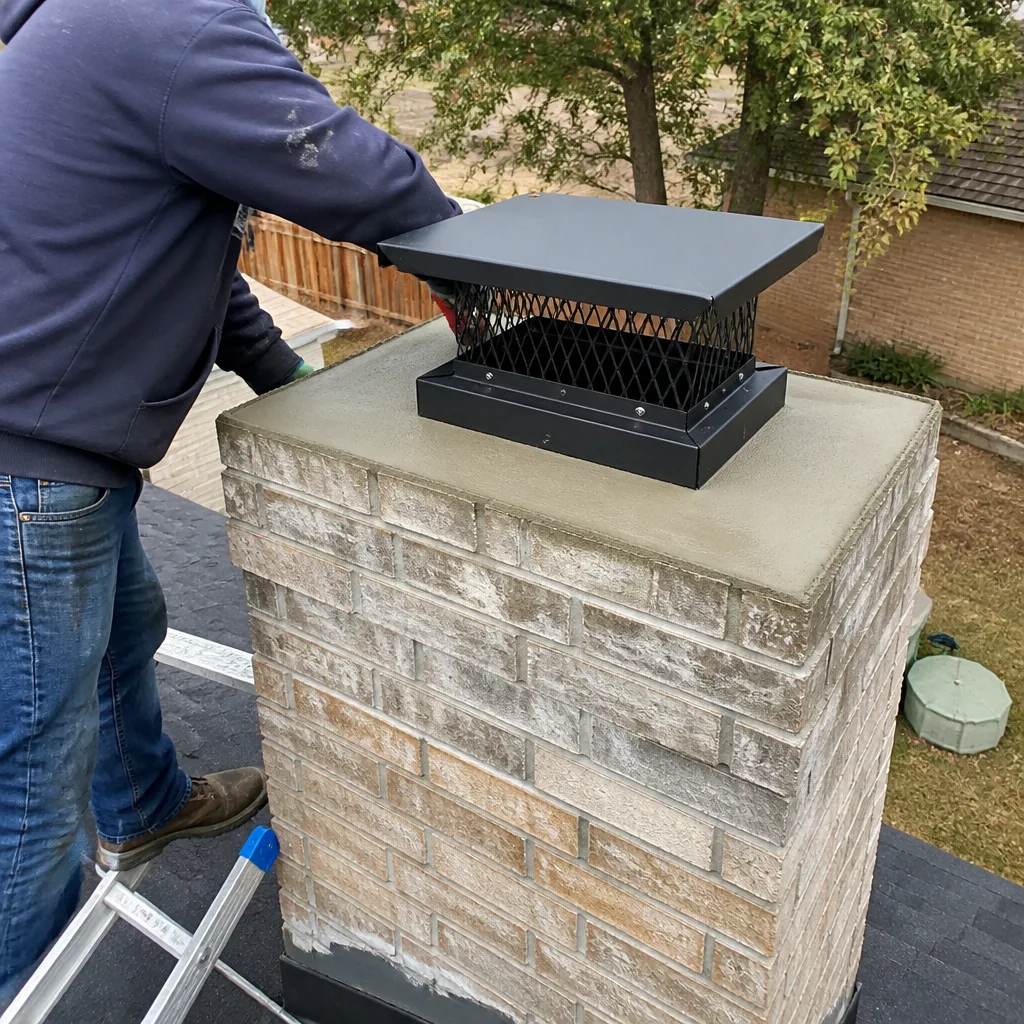
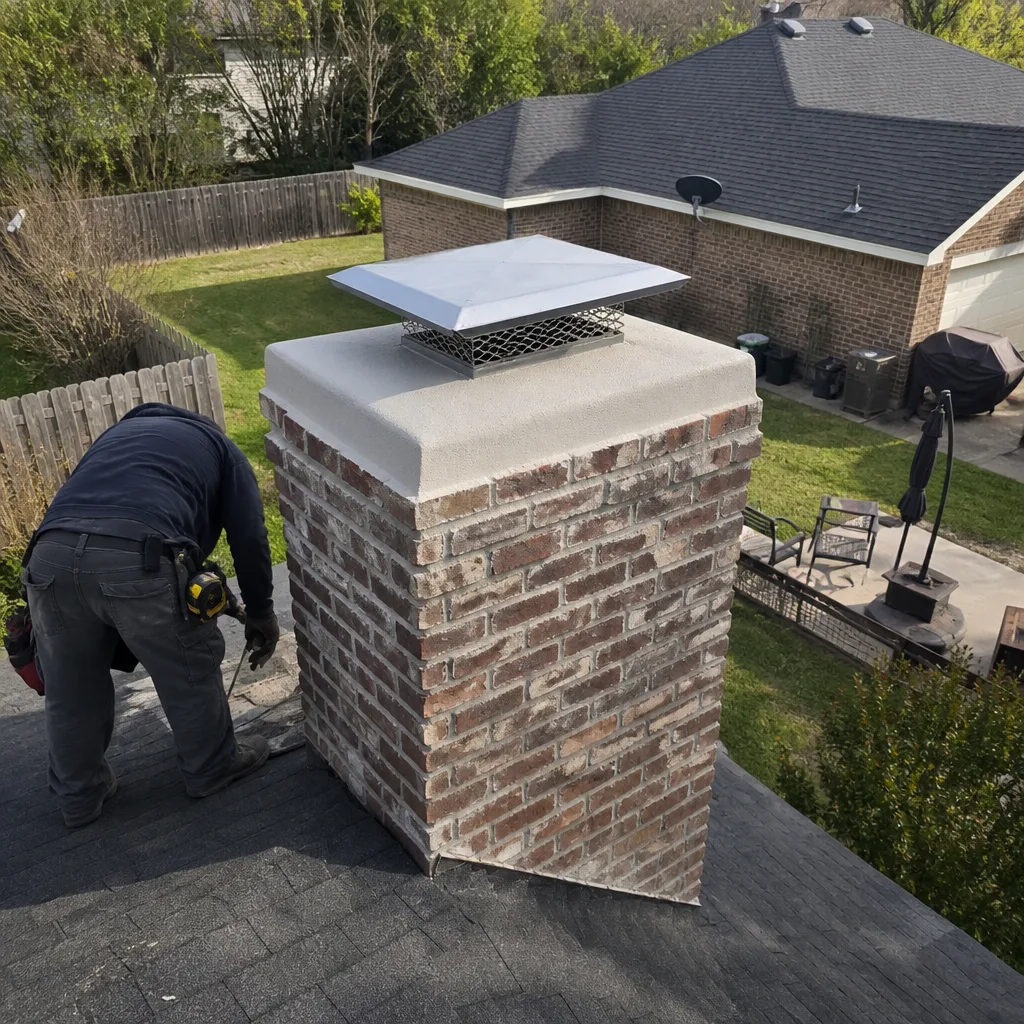
See the difference
 Before
 After
After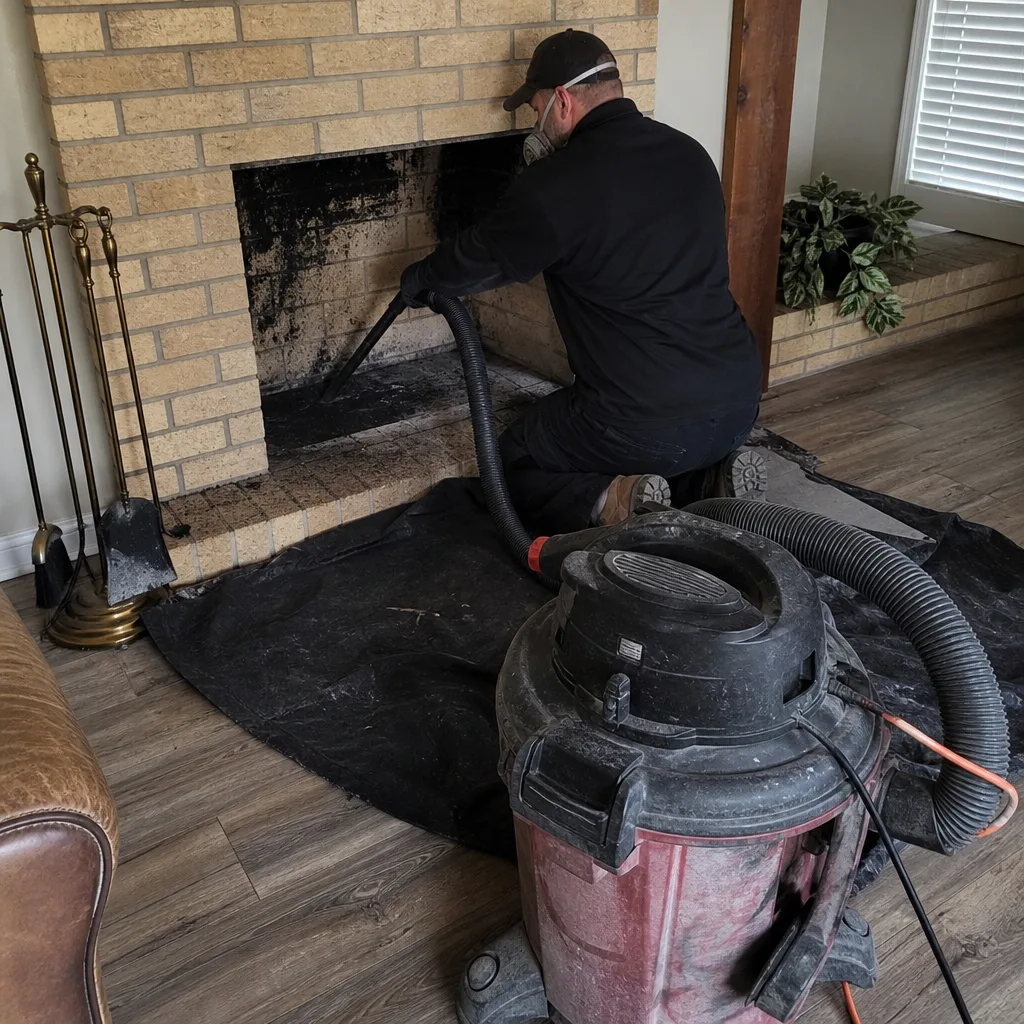 Before
 After
After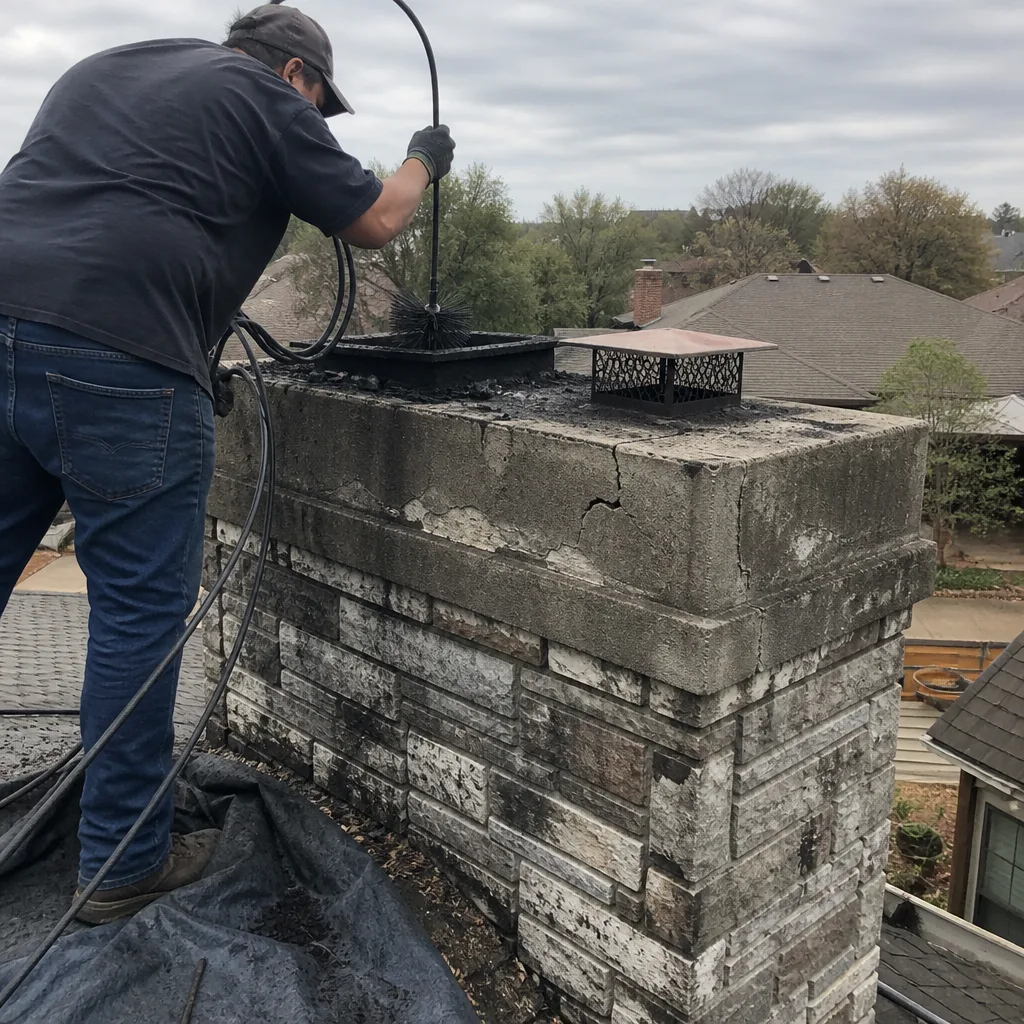 Before
 After
After