
Last updated October 15, 2026
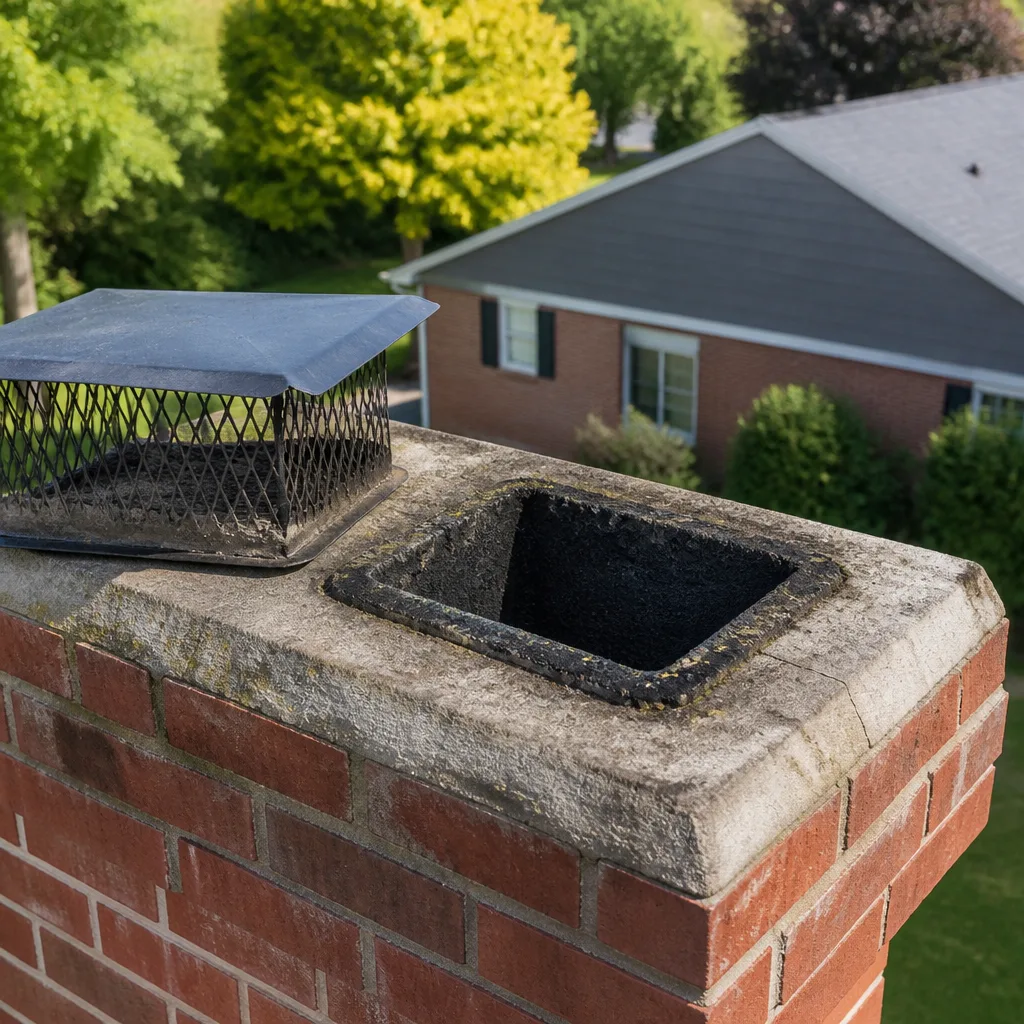 Sweep & inspection
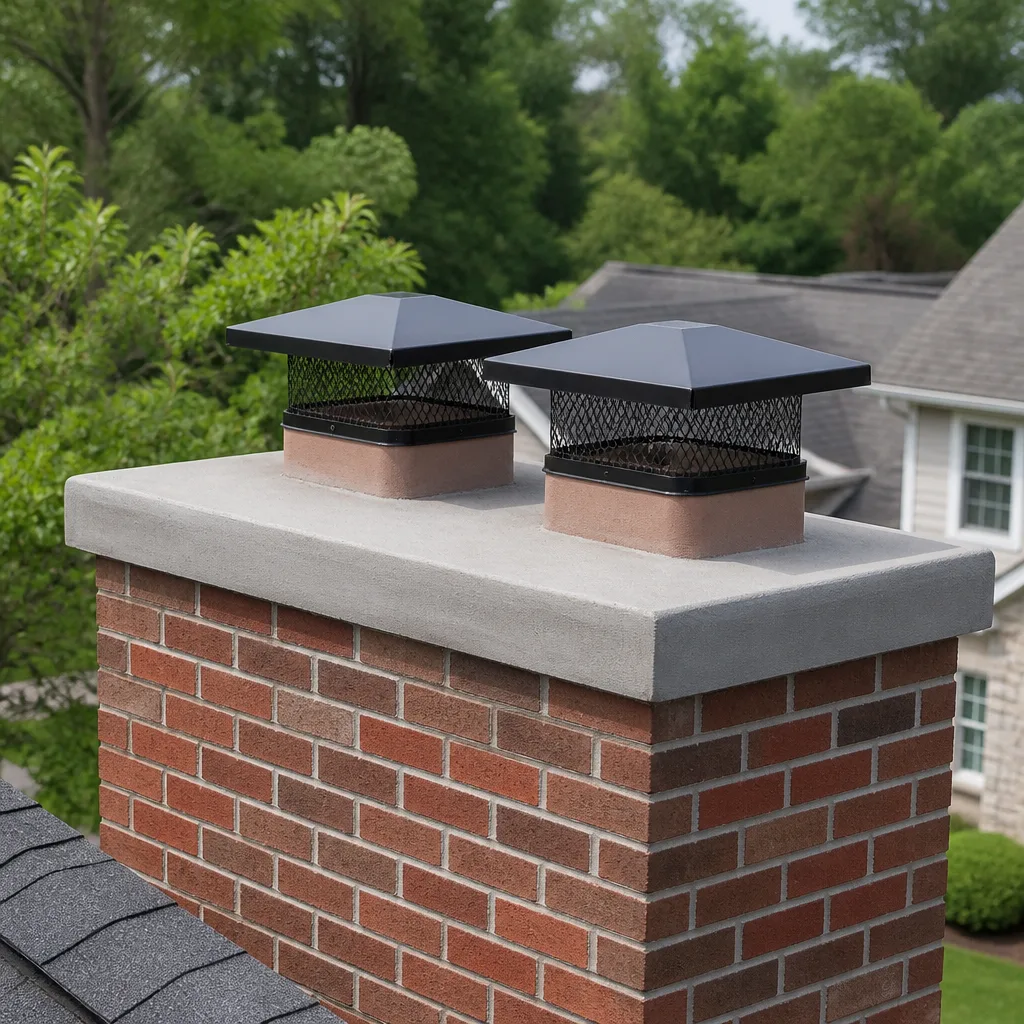 Caps & crowns
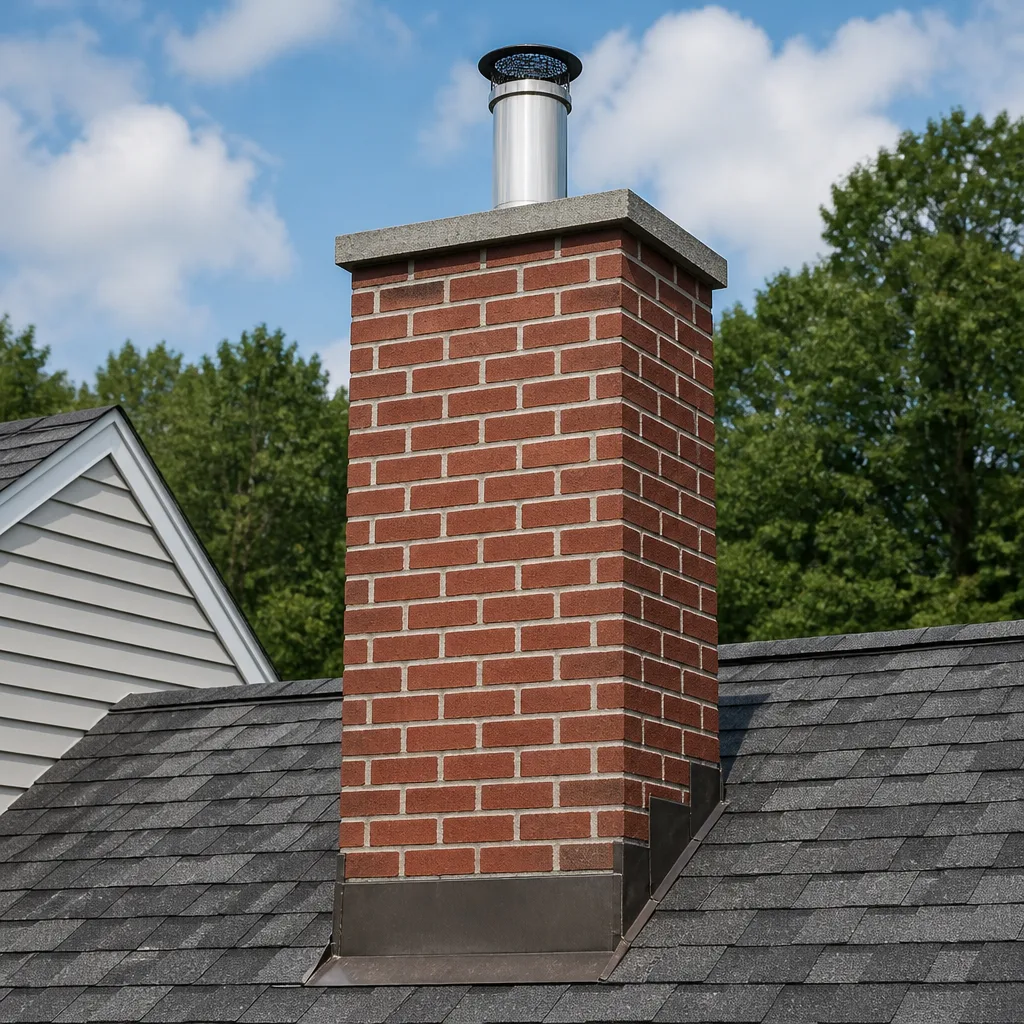 Flue relining
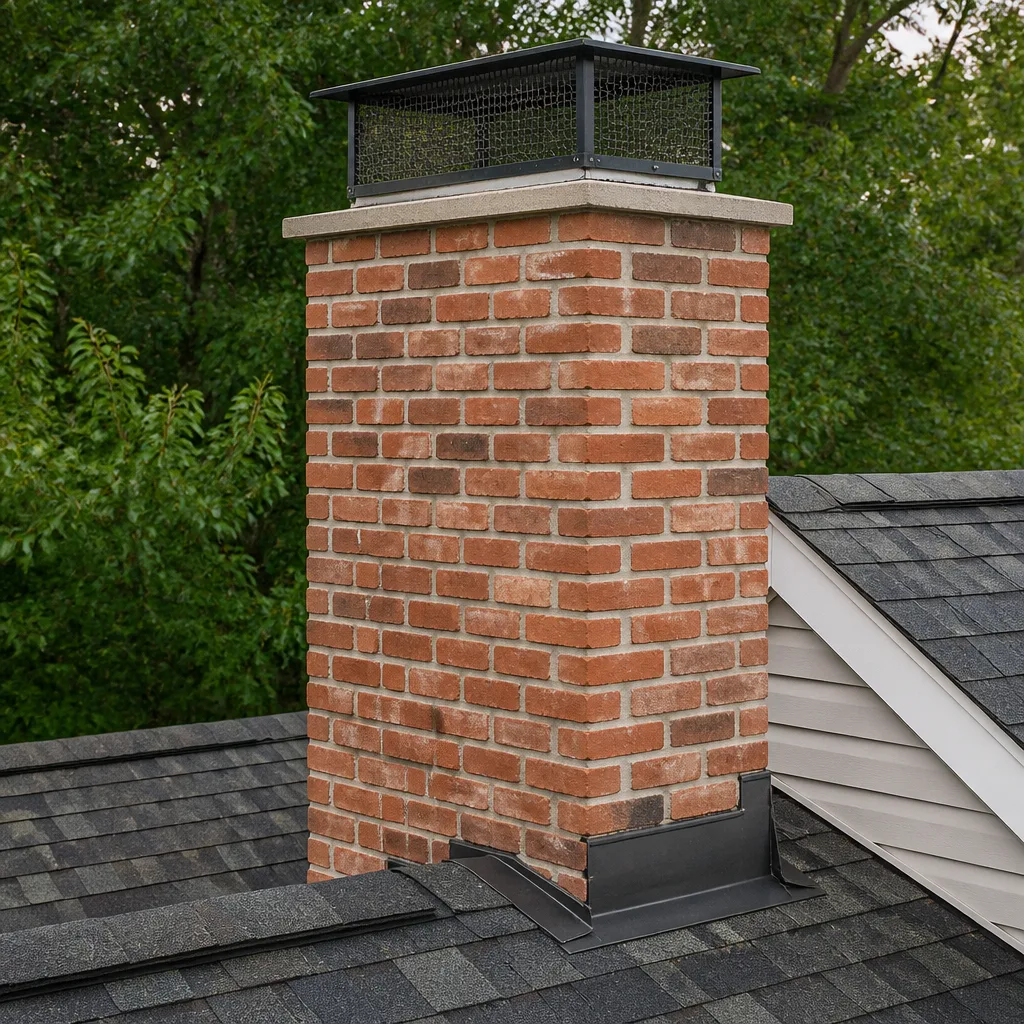 Masonry repair
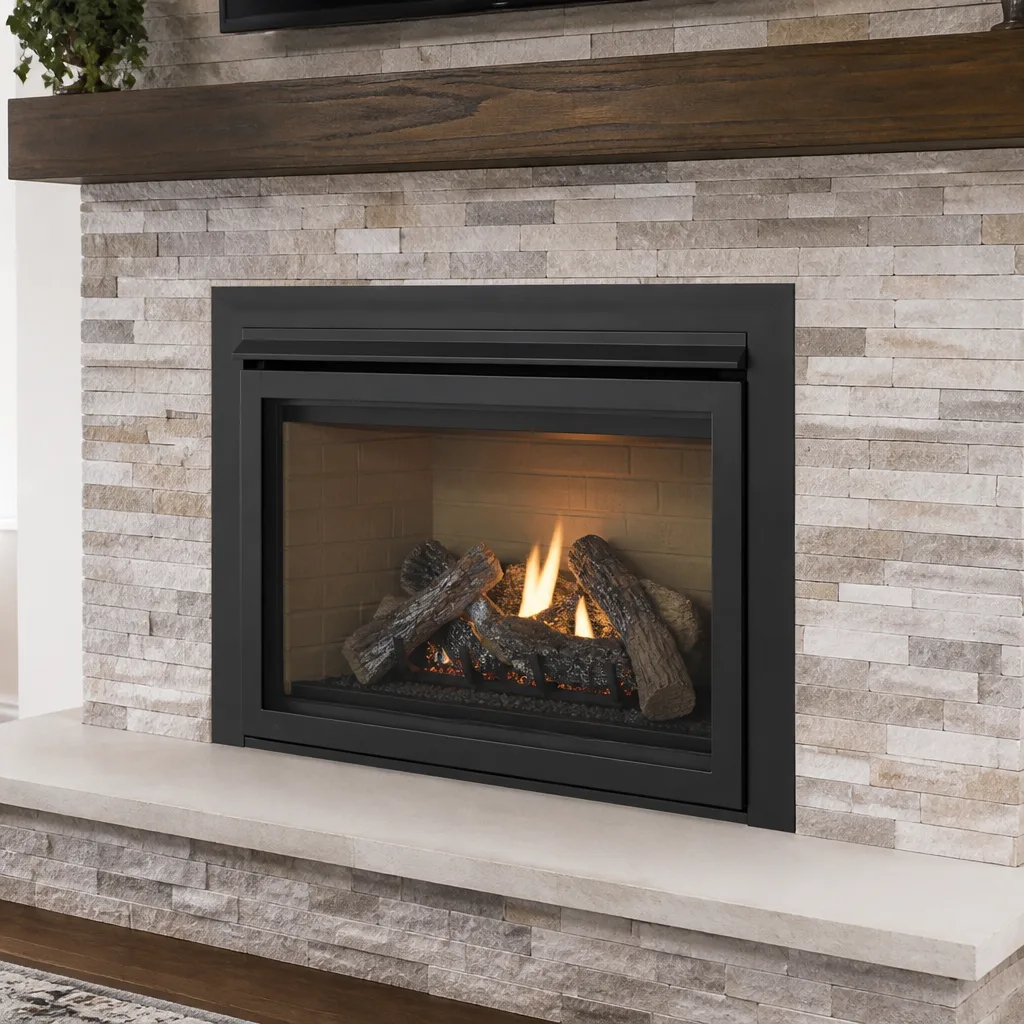 Gas fireplace service
Level 1 sweep and inspection to the NFPA 211 annual standard - flue, crown, cap, and flashing checked and photographed
Chimney sweep logs do not sweep chimneys. They loosen some creosote - which then falls where a brush and vacuum still have to collect it.
How to Hire a Chimney Cleaning Contractor in Fort Worth: A Step-by-Step Guide
There are no state-issued chimney sweep licenses publicly searchable in Texas. Read that again, because it changes everything about how you should approach hiring someone to clean your chimney in Fort Worth. The only thing separating a CSIA-certified technician from someone who watched three YouTube videos and printed business cards is whether you know to ask the right questions before booking. This guide gives you a concrete vetting framework so you can filter out the blank-van operators before anyone shows up at your door, and you can find more guides & resources on our blog.
Quick Answer
To hire a chimney cleaning contractor in Fort Worth, verify three things before booking: CSIA or NFI certification (check the credential database yourself, don’t take their word for it), proof of general liability insurance with your name on the certificate, and a commitment to a written quote before any work starts. A legitimate Fort Worth chimney sweep will also document the job with before-and-after photos and explain exactly what the cleaning includes and what triggers additional charges. If a company won’t confirm these on the first call, keep dialing.
Styles & brands we work with
Table of Contents
- Why Hiring a Chimney Sweep in Fort Worth Is Harder Than It Looks
- The Three Credentials That Actually Matter in Texas (And How to Verify Each One)
- The Phone Inquiry Script: Questions to Ask and Red Flags That Mean Hang Up
- Anatomy of a Written Quote: What It Must Include Line by Line
- Why Before-and-After Photos Are Non-Negotiable (And What They Should Show)
- How to Compare Two Quotes That Look Completely Different
- What Fort Worth Homeowners Should Know About Local Chimney Conditions
- The Full Hiring Process: Step-by-Step
- Common Mistakes to Avoid
- When to Call a Professional
Why Hiring a Chimney Sweep in Fort Worth Is Harder Than It Looks
Chimney sweeping is one of the few home service trades with almost no visible quality signals. In Fort Worth, there’s no public licensing dashboard where you can look up a company’s standing, no standardized pricing model that lets you compare apples to apples, and no third-party regulator enforcing minimum standards. Texas leaves chimney sweeping largely unregulated at the state level, which means the burden of vetting falls entirely on you.
This isn’t a knock on the trade. There are excellent, deeply experienced chimney professionals in Fort Worth who do meticulous work. But the absence of a licensing framework means the gap between the best and the worst is enormous, and nothing about a company’s website, truck, or Google listing reliably tells you which side they’re on.
What we’ve seen in the field over two decades bears this out. The technicians who do the best work are almost always the ones who volunteer their credentials before you ask, show up with documentation, and hand you a written price before touching anything. The ones who make homeowners uneasy tend to be vague about insurance, reluctant to provide anything in writing, and quick to pivot the conversation toward expensive repairs they “noticed” during a routine cleaning. The difference is detectable, but only if you know what to probe for.
This guide walks you through the exact framework we’d recommend to a neighbor, family member, or friend looking for a chimney sweep in Fort Worth. It covers what to verify, what to ask, what a real quote looks like, and how to spot the patterns that signal trouble. The goal isn’t to make you an expert. It’s to make you impossible to fool.
The Three Credentials That Actually Matter in Texas (And How to Verify Each One)
Since Texas doesn’t maintain a public chimney sweep licensing database, you have to rely on third-party certifications and insurance documentation. Three credentials carry real weight. Here’s what they are, why they matter, and exactly how to verify each one before you book.
1. CSIA Certification
The Chimney Safety Institute of America (CSIA) is the most recognized credentialing body in the chimney industry. A CSIA-certified sweep has passed a rigorous exam covering chimney construction, fire codes, creosote (the flammable tar buildup that makes chimneys a fire risk), and inspection protocols. Certification requires continuing education credits to maintain, so it’s not a one-and-done badge.
How to verify: Go to csia.org and use their “Find a Certified Professional” search tool. Enter the company name or the individual’s name. If they don’t appear, they’re not currently certified. Don’t accept a certificate posted on someone’s website as proof. Certificates can be outdated, photoshopped, or borrowed. The CSIA database is the source of truth.
2. NFI Certification
The National Fireplace Institute (NFI) certifies specialists in specific fuel types: wood-burning, gas, and pellet. An NFI-certified technician has demonstrated competency in the systems they work on. If you have a gas fireplace or insert, NFI certification matters because the safety considerations for gas appliances differ significantly from wood-burning chimneys.
How to verify: NFI maintains an online directory at nficertified.org. Look up the technician by name. The database shows their current certification status and which fuel types they’re certified for.
3. General Liability Insurance
This one is non-negotiable. If a technician damages your roof, drops a tool down your chimney, or causes damage to your property, general liability insurance is what covers the repair. Without it, you’re relying on the company’s goodwill, and goodwill doesn’t pay for a new roof deck.
How to verify: Ask the company to email you a certificate of insurance (COI) before the appointment. The certificate should list the carrier’s name, the policy number, and the coverage amount. Then call the insurance company directly to confirm the policy is active. A legitimate company will send this without hesitation. A company that hedges, stalls, or says “don’t worry, we’re covered” without documentation is telling you something important.
One more note on verification: ask that the COI list you as an “additional insured” or at minimum confirm the policy covers the specific work being performed. Some policies exclude roof work or only cover commercial jobs. A quick call to the carrier clears this up in five minutes.
The Phone Inquiry Script: Questions to Ask and Red Flags That Mean Hang Up
The first phone call tells you more than the website ever will. Here’s a script we’d recommend, followed by the red-flag answers that should end the conversation immediately.
Question 1: “Are your technicians CSIA or NFI certified? Can you give me the technician’s name so I can verify?”
Green flag: They give you a name without hesitation. You look it up, and it checks out.
Red flag: “We’re fully certified” with no name, no details, and a quick change of subject. Or “certification isn’t really necessary for basic sweeping.” The second one is technically true for the physical act of sweeping. But it’s also a signal that the company prioritizes minimum effort over professional standards.
Question 2: “Can you email me a certificate of insurance before we schedule?”
Green flag: They say yes and the email arrives within an hour or two.
Red flag: “We’ll bring it to the appointment.” The problem: once they’re at your house and you’ve taken time off work, you’re far more likely to accept whatever they hand you. Verify insurance before the appointment, not during it.
Question 3: “How do you structure your pricing? Will I get a written quote before any work starts?”
Green flag: They explain their pricing model clearly: base sweep price, what’s included, what could trigger additional charges, and they commit to providing a written price before work begins.
Red flag: “We’ll give you the price when we see it.” This is the single most reliable indicator that you’re about to get a price that grows once the technician is on the roof. The condition of the chimney doesn’t change the cost of a sweep. A company that can’t quote a standard sweep over the phone is either disorganized or deliberately vague. Neither is acceptable.
Question 4: “What does a standard sweep include? Are there any common add-ons you’ll try to sell?”
Green flag: They list the scope: flue brushing, smoke chamber cleaning, firebox cleanup, cap inspection, damper check, and debris disposal. They’re upfront that if the cap needs replacement or the liner shows damage, they’ll show you photos and quote a separate repair, not bundle it into the sweep price.
Red flag: Pressure to book a “full package” on the first call, including liner inspection, cap replacement, or waterproofing before anyone has seen the chimney. A reputable company doesn’t sell repairs blind. They sell inspections, then let the evidence drive the recommendation.
Question 5: “Will I get before-and-after photos of the flue interior?”
Green flag: Yes, without conditions. This is standard practice for any modern, professional operation.
Red flag: “We don’t do photos” or “The tech can describe what they saw.” Descriptions are not evidence. The entire point of a chimney inspection is that you can’t see inside the flue yourself. If a company won’t document what they found, you have no way to verify their claims about creosote levels, cracks, or liner damage.
Anatomy of a Written Quote: What It Must Include Line by Line
A written quote is more than a number on a piece of paper. It’s a contract in miniature, and the specificity of the line items tells you everything about how that company operates. Here’s what a legitimate written quote should include, line by line, and what each line protects you from.
- Scope of cleaning: “Brush flue from top to smoke shelf. Clean smoke chamber. Vacuum firebox. Remove debris.” If the quote just says “chimney sweep” with no detail, ask for specificity. Vague scope means vague accountability.
- Liner inspection level: Does the quote include a visual inspection of the flue liner? Is it Level 1 (visual, no tools) or Level 2 (camera/video scan)? Standard sweeps typically include Level 1. If you’re buying a home, switching fuel types, or haven’t had the chimney inspected in years, you may need a Level 2. The quote should state which level is included and the cost of upgrading.
- Disposal method: What happens to the creosote and debris? A reputable company bags it, carries it out, and leaves no trace. Make sure “debris removal and disposal” appears on the quote. Some fly-by-night operators sweep the flue and leave a pile on your hearth.
- Cap and damper check: The chimney cap keeps rain, birds, and embers out. The damper controls airflow. Both should be inspected during a standard sweep, and the quote should say so. Replacement of either should be quoted separately if needed.
- What triggers an additional charge: This is the line that separates honest companies from everyone else. A good quote will state: “Additional charges apply only if: cap replacement is needed, liner repair is recommended, or creosote levels require chemical treatment rather than manual brushing.” If the quote is silent on this, the quote means nothing.
- Flat price guarantee: Does the quote commit to the price unless you approve changes in writing? If not, it’s not really a quote. It’s an estimate, and estimates are designed to move.
- Timeline and arrival window: The quote should state the appointment date and the arrival window. For companies with modern dispatch systems, this should be a tracked window, not a four-hour guess. If the company can’t tell you when they’ll arrive within a reasonable window, that’s an operational red flag.
Here’s what a solid base quote looks like in practice:
| Line Item | Typical Range in Fort Worth | Notes |
|---|---|---|
| Standard chimney sweep (1 flue) | $150 – $275 | Includes brushing, vacuuming, disposal |
| Level 1 visual inspection | Included with sweep | Should be standard, not an upsell |
| Level 2 camera inspection | $100 – $300 | Recommended for home purchases or long gaps |
| Chimney cap replacement | $150 – $400 | Quoted separately if needed |
| Creosote removal (glazed/Stage 3) | $150 – $500 additional | Chemical treatment vs. manual brushing |
These are market ranges for Fort Worth based on typical single-family homes. Your exact quote depends on flue size, access difficulty, roof pitch, and the condition of the system. The point of the table isn’t to lock in a price. It’s to show you what “reasonable” looks like so you can spot an unreasonable quote when you see one.
Why Before-and-After Photos Are Non-Negotiable (And What They Should Show)
Chimneys are dark vertical shafts that you can’t see into without specialized equipment. That simple fact makes the chimney trade uniquely susceptible to dishonesty. If a technician says your liner is cracked, your cap is rusted through, or your creosote is dangerously thick, how would you know? You’re standing on the ground. They’re on the roof. The information asymmetry is total.
Before-and-after photos eliminate that asymmetry. This isn’t a luxury. It’s the baseline requirement for any legitimate chimney service in 2026. Here’s what the photos should actually show.
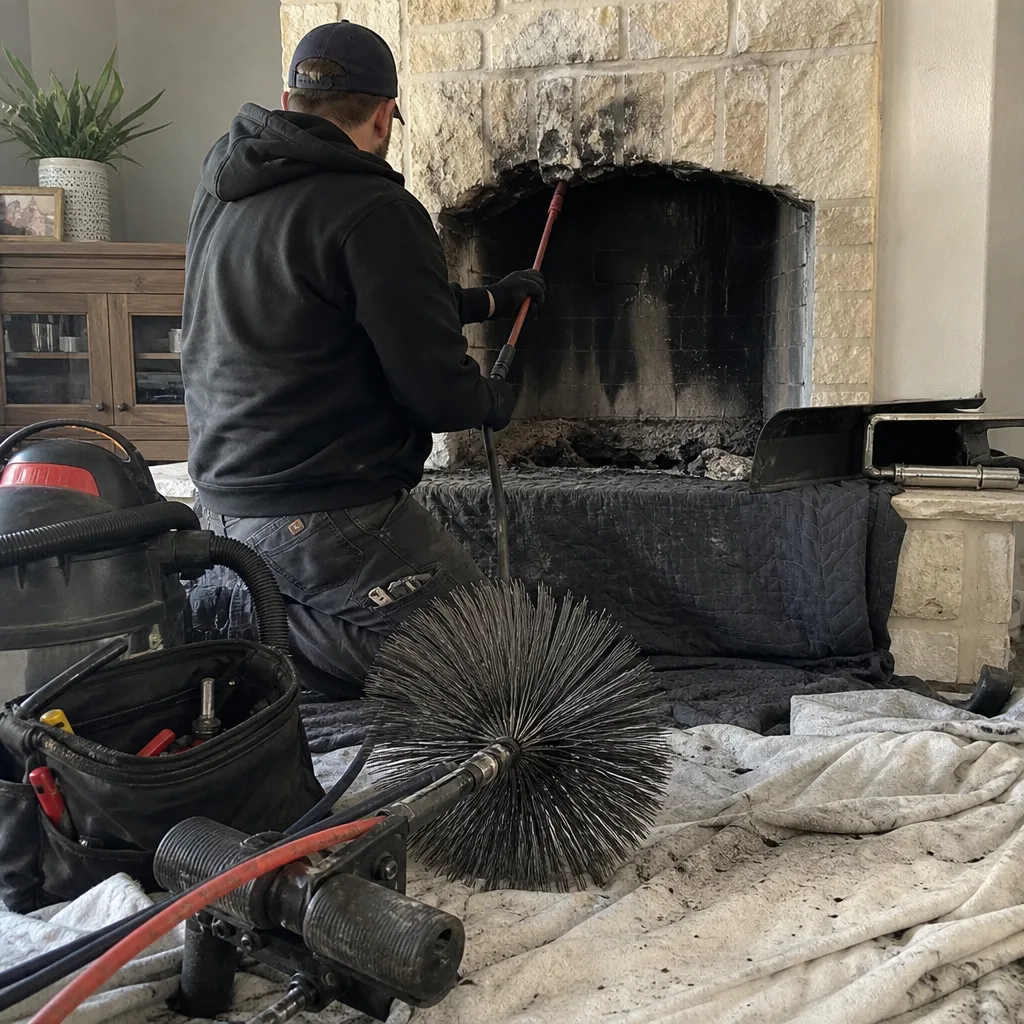
Flue interior before cleaning: A clear shot from the top or bottom of the flue showing the creosote buildup. You should be able to see the dark, crusty or glossy residue on the walls. This is your evidence that the sweep was necessary.
Flue interior after cleaning: The same angle after brushing, showing the flue walls visibly cleaner. The contrast between the two shots is the proof of work.
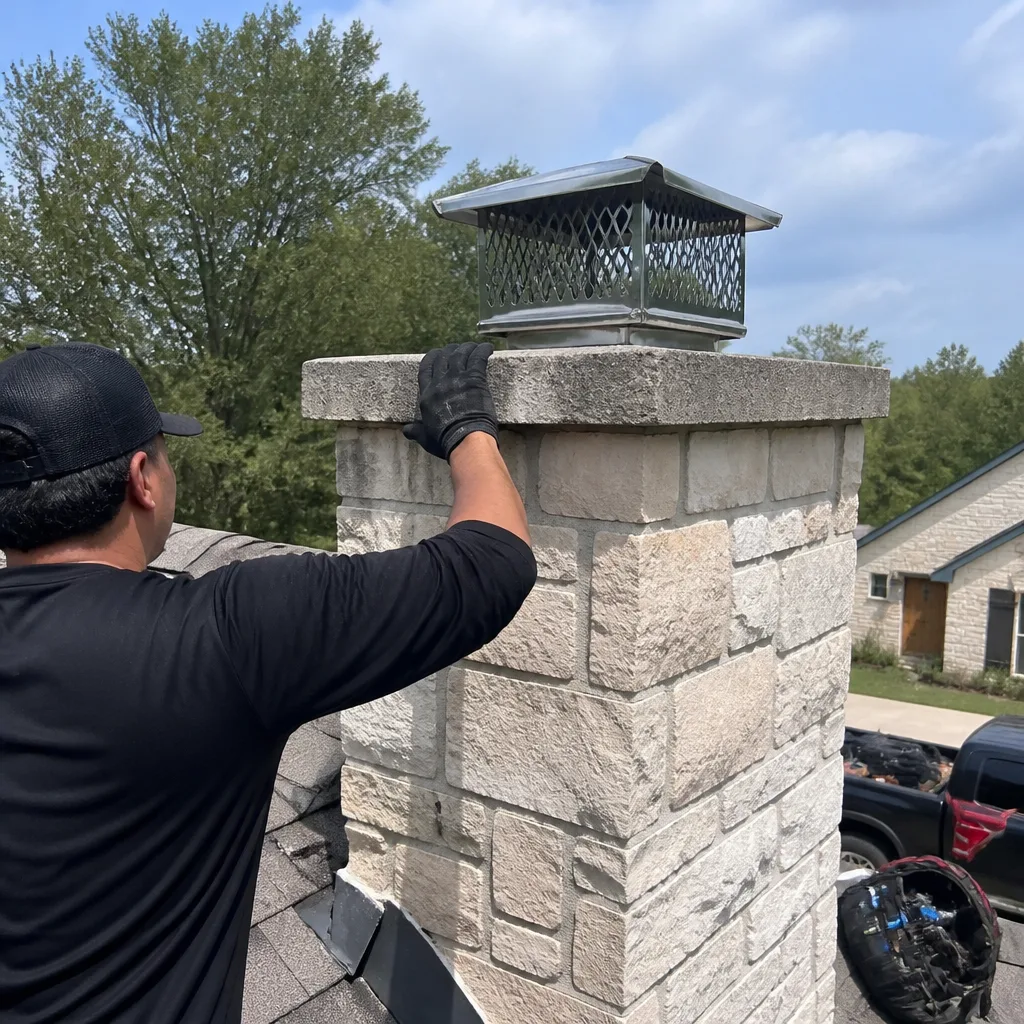
Cap condition: The cap is the first line of defense against rain, birds, squirrels, and embers. A photo should show whether the cap is intact, rusted, bent, or missing entirely. If the tech recommends cap replacement, the photo should make the need obvious.
Firebox floor: The firebox is where the fire actually burns. The photo should show that debris and ash have been cleared and that the brick or refractory panels are in reasonable shape.
Smoke chamber (if accessible): The area above the firebox where smoke funnels into the flue. This area collects creosote and is often missed by hasty sweeps. A photo here is a strong signal of thoroughness.
If a company says they don’t provide photos, in our experience the most generous interpretation is that they’re running an operation from 1995. The less generous interpretation is that they don’t want you to have a record of what they actually did. Either way, you should hire someone else. Modern chimney work includes documentation as a standard deliverable, not a special request.
How to Compare Two Quotes That Look Completely Different
You’ve called two companies. One quoted $149 for a “sweep and inspection.” The other quoted $275. On paper, the first one looks better. Reality is often the reverse, and here’s how to tell the difference.
Step 1: List what each quote includes, line by line. Make a simple table. Column A: the $149 quote. Column B: the $275 quote. Does the cheap quote include debris disposal? Cap inspection? A written price before work starts? Insurance verification? Before-and-after photos? If the $149 quote is silent on these, the $275 quote is probably the better value because it’s actually accounting for the full job.
Step 2: Identify what each company is excluding. A quote that seems low often excludes things the technician will “discover” on-site: a Level 1 inspection, a cap check, disposal, creosote treatment. Those items then get added at premium rates because you’re already committed. The higher quote that includes everything is often cheaper in total.
Step 3: Compare guarantee language. Does either quote include a written guarantee on work performed? For how long? What triggers the guarantee, and what’s the process if something goes wrong? A company that won’t put a guarantee in writing is signaling that they don’t expect problems, or they don’t plan to fix them.
Step 4: Compare arrival commitments. A tracked arrival window is worth money. You’re taking time off work or rearranging your day. A company that gives you a four-hour window is offloading their scheduling inefficiency onto you. A company that tracks arrivals and communicates in real time is paying for the technology to respect your time. That cost is reflected in the quote, and it’s worth it.
Step 5: Compare brands and materials (if the quote includes any repairs). If one company quotes a liner repair and mentions DuraFlex, HeatShield, or Copperfield, and the other says “generic liner,” you’re not comparing the same job. The materials matter. A cheap off-brand liner will cost less up front and more when it fails early. Our chimney repair in Fort Worth work uses proven materials for exactly this reason. Repair quality is directly tied to the parts going in, not just the hands doing the work.
The goal of comparison isn’t to find the cheapest quote. It’s to find the quote that reflects the actual cost of a properly done job. The spread between a $149 no-details quote and a $275 fully-specified quote is usually the spread between a partial job and a complete one.
What Fort Worth Homeowners Should Know About Local Chimney Conditions
Fort Worth’s climate and housing stock create specific chimney challenges that a homeowner in, say, Seattle or Minneapolis doesn’t face. Understanding these local conditions helps you evaluate the recommendations a technician makes.
Freeze-thaw cycles damage masonry. Fort Worth winters alternate between freezes and thaws, sometimes within the same week. Water penetrates small cracks in the brick or crown, freezes, expands, and widens the crack. Over years, this creates the crumbling masonry and spalling (flaking brick) that’s common across older Fort Worth neighborhoods like Fairmount, Ryan Place, and Arlington Heights. A technician who recommends crown repair or waterproofing is often responding to real damage visible on the chimney exterior.
North Texas storms stress chimney caps and flashing. High winds and hail are regular features of Fort Worth spring weather. Chimney caps get dented, bent, or torn off entirely. The flashing (the metal seal where the chimney meets the roof) takes direct hits and starts leaking. After major storms, cap and flashing damage is one of the most common chimney issues we see across the city.
Wood-burning fireplaces in older homes often have unlined or deteriorated flues. Homes built before the 1940s in Fort Worth sometimes have chimneys built without clay tile liners, or with liners that have cracked over decades of thermal stress. This is a genuine safety issue because a cracked liner can allow heat and gases to reach combustible framing. If you own an older home in neighborhoods like Mistletoe Heights or Berkley Place, a Level 2 camera inspection is the responsible move before burning season.
Gas fireplaces require specific expertise. Many newer Fort Worth homes have gas log sets or direct-vent gas fireplaces instead of wood-burning hearths. The inspection and cleaning process for gas systems is entirely different from wood. If you have a gas fireplace, make sure the technician you hire has experience with gas systems, not just wood flues. Our gas fireplace repair in Fort Worth service covers this specific need, and the NFI certification mentioned earlier is the credential to look for.
The short version: Fort Worth chimneys face real, documentable stress from weather and age. A good technician will show you the evidence. A bad one will describe problems in vague terms and push for work you can’t verify. The photos solve this problem completely.
The Full Hiring Process: Step-by-Step
Here’s the entire hiring process in one place, from first search to final payment. Follow these steps and you’ll end up with a qualified, vetted, accountable chimney sweep in Fort Worth.
- Build a shortlist of 3-4 companies. Start with CSIA and NFI directory searches for Fort Worth. Add any companies your neighbors recommend. Check each one’s website for credentials, pricing philosophy, and whether they mention written quotes or photo documentation.
- Call each one and run the phone script from earlier in this guide. Ask about certification, insurance, written pricing, and photos. Note their response time and how they handle the questions. A company that answers your first call with a live person is already ahead of one that sends you to voicemail.
- Verify certifications online. Do this yourself. Don’t take anyone’s word for it. Five minutes on the CSIA and NFI directories tells you who’s actually certified and who’s not.
- Request certificates of insurance from the finalists. Email is fine. The certificate should arrive within a day. Call the carrier to confirm the policy is active if you have any doubt.
- Request written quotes from your top two. Compare them using the framework above. If either company won’t provide a written quote before the appointment, remove them from consideration.
- Book the appointment and confirm the arrival window. Ask what kind of tracking or communication they provide on the day of service. A modern operation has live arrival tracking. A legacy operation gives you a four-hour window and crosses their fingers.
- On appointment day, be present if possible. You don’t need to hover, but being home for the first 15 minutes lets you meet the technician, confirm the plan, and ask any last questions. If you can’t be home, make sure the company has a process for communicating remotely, including photos sent to your phone.
- Review the before-and-after photos. This is the deliverable. If the photos don’t clearly show the flue interior, cap, and firebox, ask for better ones. A reputable company will provide them without pushback.
- Pay the invoice electronically if available. A digital invoice with a payment link is standard for modern companies and gives you a permanent record of the transaction.
- File the paperwork. Keep the written quote, the photos, and the invoice together. If anything goes wrong within the guarantee period, you have exactly what a warranty claim requires.
This process takes between one and two hours of total effort, mostly phone calls and document review. That’s a small price for avoiding a bad hire that could cost you a damaged roof, a bogus repair bill, or worst case, a chimney fire.
Common Mistakes to Avoid
- Hiring based on price alone. The cheapest quote is often the most expensive job because it excludes things other companies include. When a Fort Worth homeowner gets a $99 sweep-and-inspection flyer in the mail, that price exists to get a technician on the roof with a sales quota.
- Not verifying credentials yourself. “We’re certified” means nothing until it’s confirmed on the CSIA or NFI directory. Independent verification takes five minutes and eliminates the entire category of credential fraud.
- Accepting verbal quotes. If it’s not in writing, it didn’t happen. A verbal quote of $180 becomes $420 when the technician “discovers” issues that weren’t in the verbal agreement. Written quotes protect both parties, which is exactly why some companies avoid them.
- Skipping the insurance check. A dropped tool, a damaged roof tile, a water leak caused by a misaligned cap. These are real risks of any chimney job. General liability insurance isn’t optional, and uninsured companies don’t get a pass because they’re cheaper.
- Booking without asking about photos. Chimney work is invisible to the homeowner. Without photographic evidence, you’re paying for a claim, not a service. The absence of a photo policy is itself a data point about how that company operates.
- Ignoring the arrival commitment. Four-hour windows are a respect problem, not just a logistics problem. A company that can’t track its technicians can’t honor its schedule, and a company that can’t honor its schedule will treat the rest of your service the same way.
- Not understanding what a sweep includes. Some homeowners assume a sweep includes liner inspection, cap check, and firebox cleaning. Some companies count on that assumption and charge separately for things that should be standard. Read the quote, not the price tag.
When to Call a Professional
There are moments when you shouldn’t wait for burning season. If you smell a sharp, campfire-like odor in your home even when the fireplace isn’t in use, that’s creosote buildup and it’s a fire risk that gets worse every week. If you see visible soot or dark stains around the fireplace opening or on the ceiling above it, airflow is compromised. If water streaks are visible on the chimney exterior or you hear dripping inside the firebox after rain, the flashing or crown is failing and the damage gets more expensive the longer it waits. If it’s been more than a year since your last sweep, or if you just bought a home and have no record of the chimney’s history, book an inspection before the first fire. For any of these situations, a professional assessment with photo documentation is the sensible next step. Hadley Chimney Fort Worth offers free estimates in Fort Worth, and we’re glad to walk you through what we find. Call (682) 900-6393 and a live person will answer, day or night.
See the difference
 Before
 After
After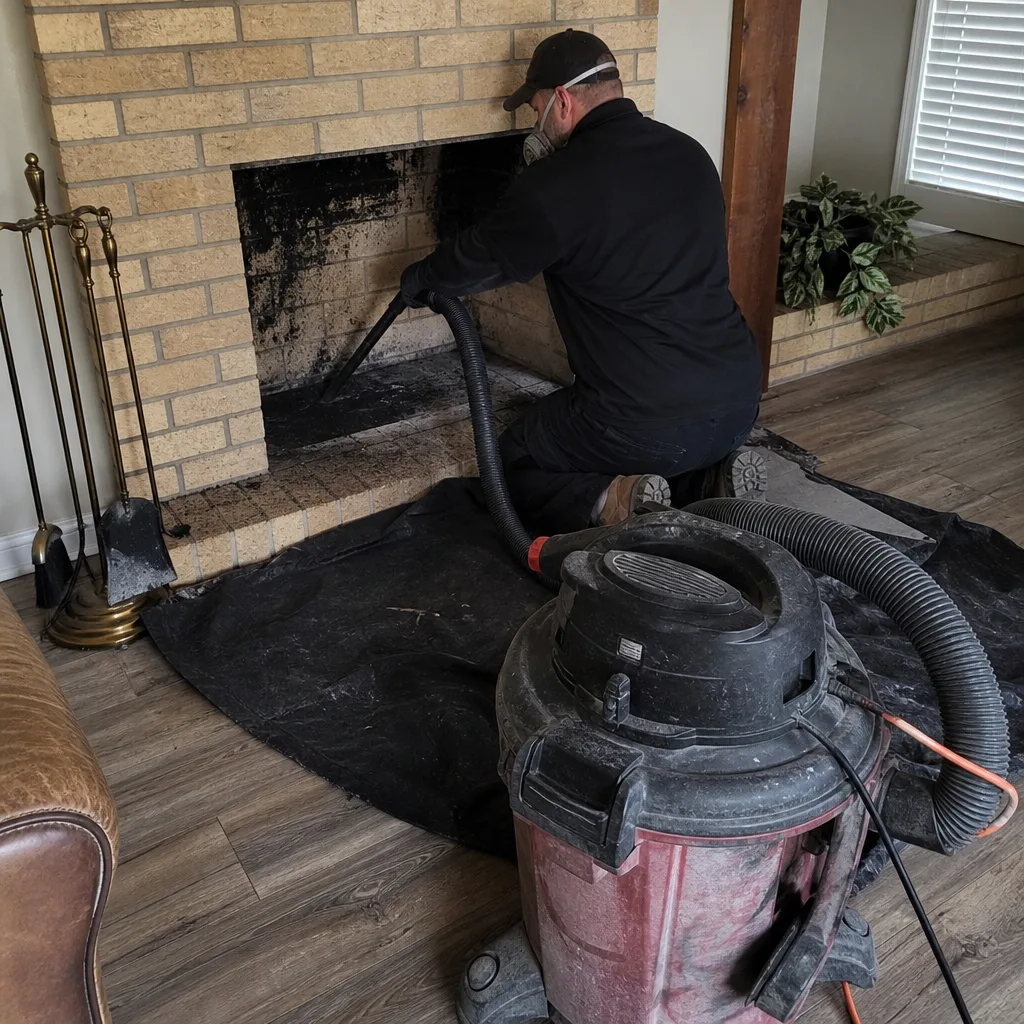 Before
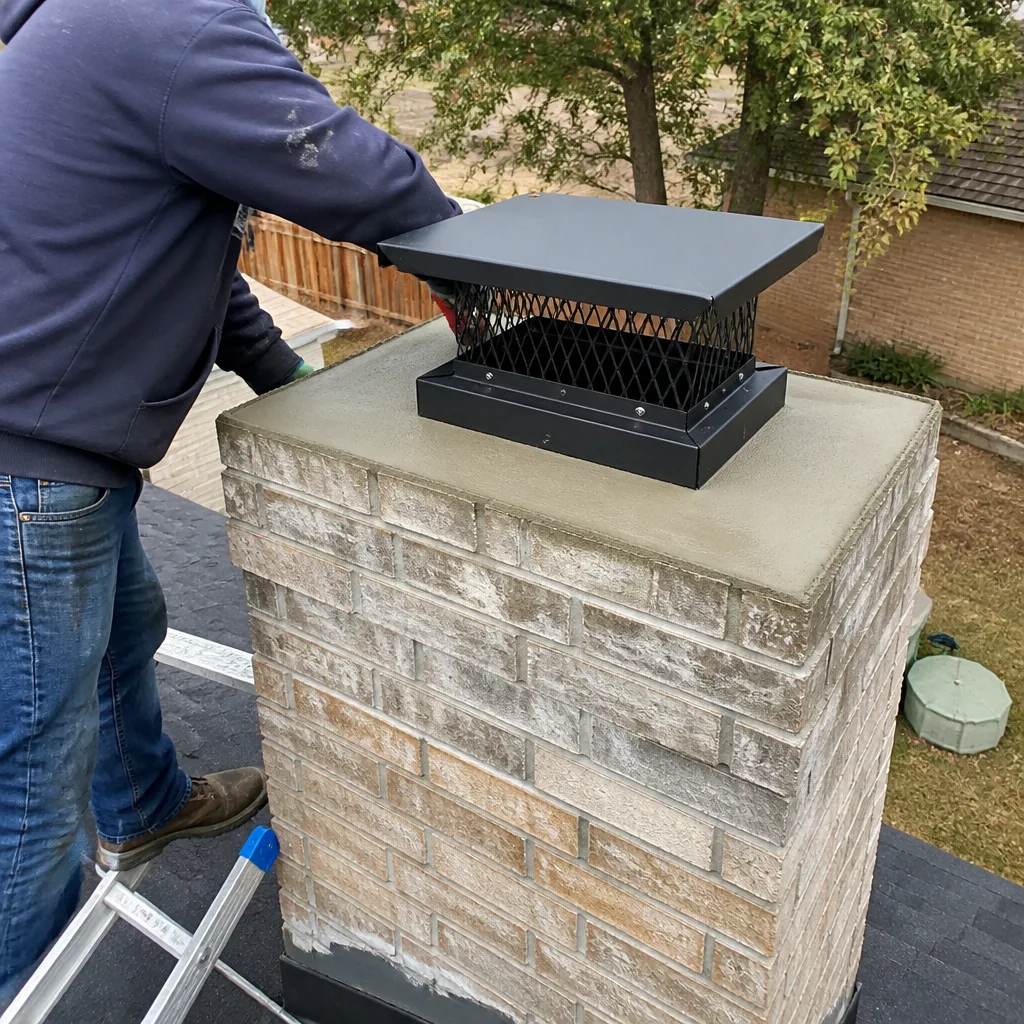 After
After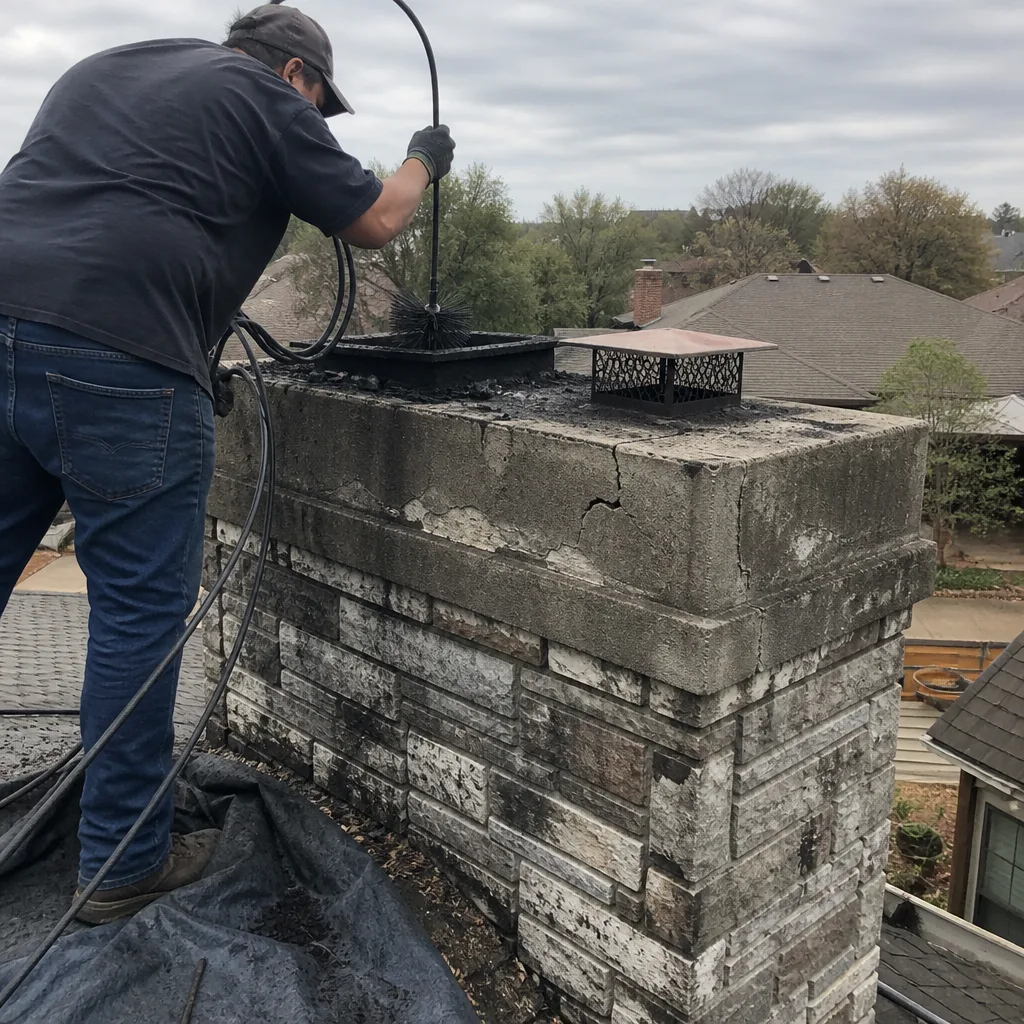 Before
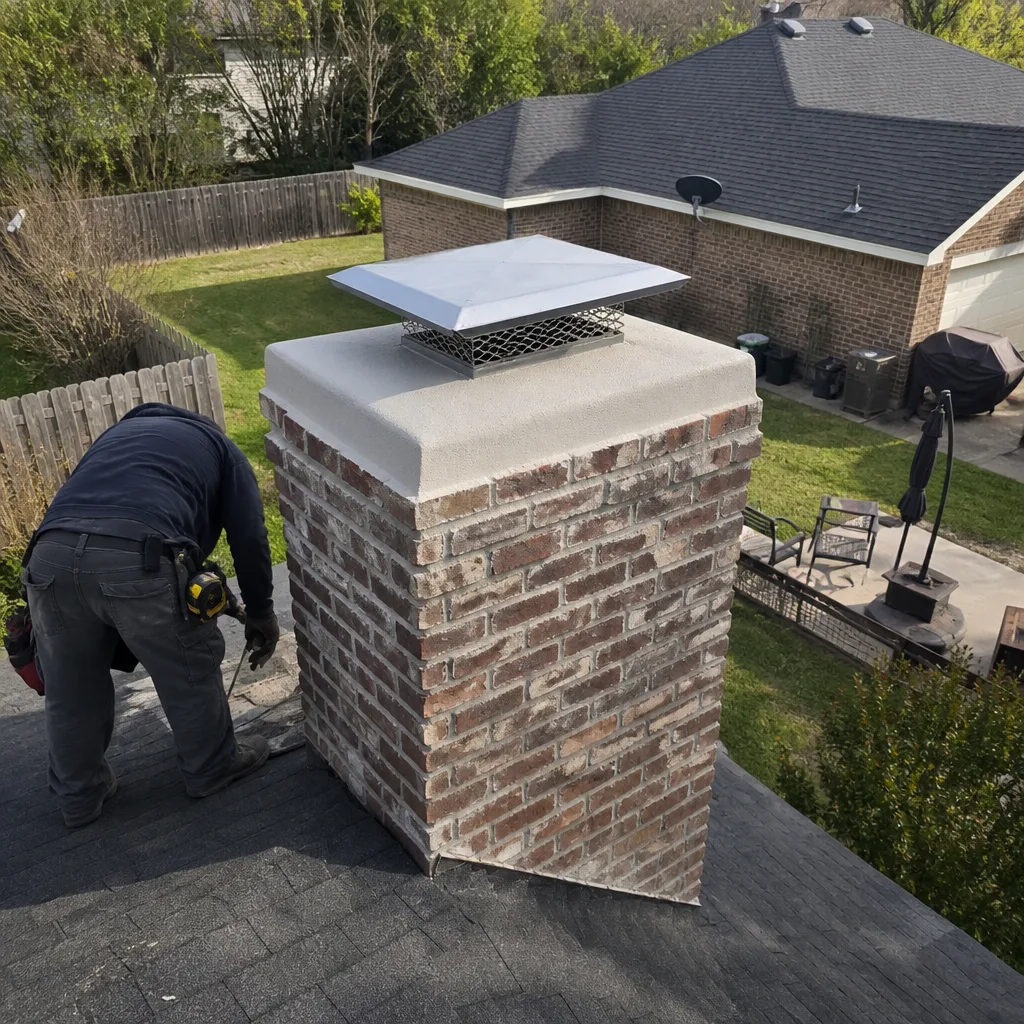 After
AfterFrequently Asked Questions
A standard chimney sweep in Fort Worth typically runs between $150 and $275 for a single flue, with add-ons like a Level 2 camera inspection ($100-$300), cap replacement ($150-$400), or chemical creosote treatment ($150-$500) quoted separately if needed. The exact price depends on flue size, roof access difficulty, and the condition of the system, which is why a written quote before work starts is essential. For a precise number on your chimney, call (682) 900-6393 and describe your setup. We’ll give you a written range on the first call, not a vague “we’ll see when we get there.”
The guideline is once per year or after every cord of wood burned, whichever comes first, and in Fort Worth that usually means a fall sweep before burning season. If you burn frequently through the winter, or you burn unseasoned wood or pine, creosote builds faster and an additional mid-season check may be warranted. The compounding factor in North Texas is the freeze-thaw cycle, which means any moisture trapped in the system can accelerate masonry damage during winter months. A fall sweep with a cap and flashing check gets you ahead of both the burning season and the freeze season.
Only if the existing liner is cracked, deteriorated, or missing, and the evidence should be visible in a Level 2 camera inspection. A reputable technician will show you the video or still frames and explain exactly what they’re seeing before recommending liner work. If a company recommends a new liner without camera evidence, or pressures you to decide on the spot, get a second opinion. Liner replacement is a legitimate and sometimes essential repair, but it’s also a high-ticket item that unscrupulous operators use to inflate bills from a routine cleaning. If the evidence is real, you’ll see it on the screen.
Creosote accumulates inside the flue with every fire, and creosote is combustible. A thick enough layer can ignite and cause a chimney fire, which burns at temperatures that can crack clay liners, damage the chimney structure, and spread to framing. Even without a fire, heavy creosote restricts airflow, which pushes smoke and carbon monoxide back into the home. In Fort Worth, where fireplaces often sit unused for eight months of the year, animals and debris can also block the flue between seasons. The risk isn’t hypothetical, and the cost of a sweep is a small fraction of the cost of a chimney fire response.
A standard chimney sweep should include brushing the full flue length from top to smoke shelf, cleaning the smoke chamber, vacuuming the firebox, checking the cap and damper, and removing all debris from the property. Before-and-after photos of the flue interior should be standard. A Level 1 visual inspection is typically included, and any repairs identified during the inspection should be quoted separately with photographic evidence. If a company’s sweep doesn’t include these items, the lower price is reflecting a lower standard, not a better deal.
No, Texas does not issue state chimney sweep licenses, which means private certifications like CSIA and NFI are the meaningful credentials in the absence of government oversight. This is exactly why homeowners in Fort Worth need to verify third-party certifications, request insurance certificates, and insist on written quotes and photo documentation. The system doesn’t filter the market for you. You have to do the filtering, and this guide gives you the framework to do it in about an hour. If you’d rather skip the vetting process entirely, call (682) 900-6393 and we’ll answer every question on this list before you schedule anything. That’s the Hadley Chimney Fort Worth home standard, and we’ve been doing it since 2003.
The Bottom Line
Hiring a chimney sweep in Fort Worth doesn’t have to be a gamble. The trade’s lack of state licensing means the responsibility falls on you, but the vetting framework is straightforward: verify CSIA or NFI certification in the official directories, confirm general liability insurance with a phone call to the carrier, insist on a written quote with specific line items before work starts, and make before-and-after photos a condition of the job. If a company balks at any of these, you’ve found the filter you need. The right contractor will answer your questions directly, document the work, and stand behind it in writing. That’s the minimum standard, and it’s more than enough to protect your home and your wallet through every burning season in North Texas.
Written by Cory Mitchell, Owner at Hadley Chimney Fort Worth, serving Fort Worth since 2003.